Hanoi resurrects ancient ritual
In June, the Thang Long Imperial Citadel hosts a variety of events and performances to revive Hanoi's ancient culture.
The cultural program "Tet Doan Ngo at Thang Long Imperial Citadel is part of a series of activities to celebrate the 2024 Tet Doan Ngo with the observance of traditional "bug-killing" customs and reenactments of the ceremonies at the royal court and tea treats.
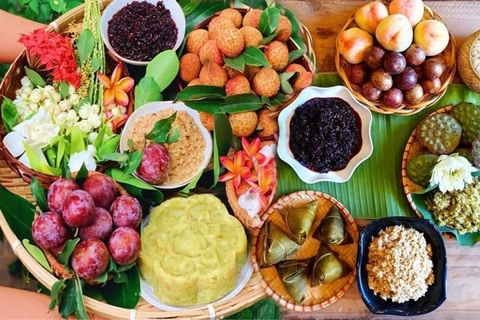
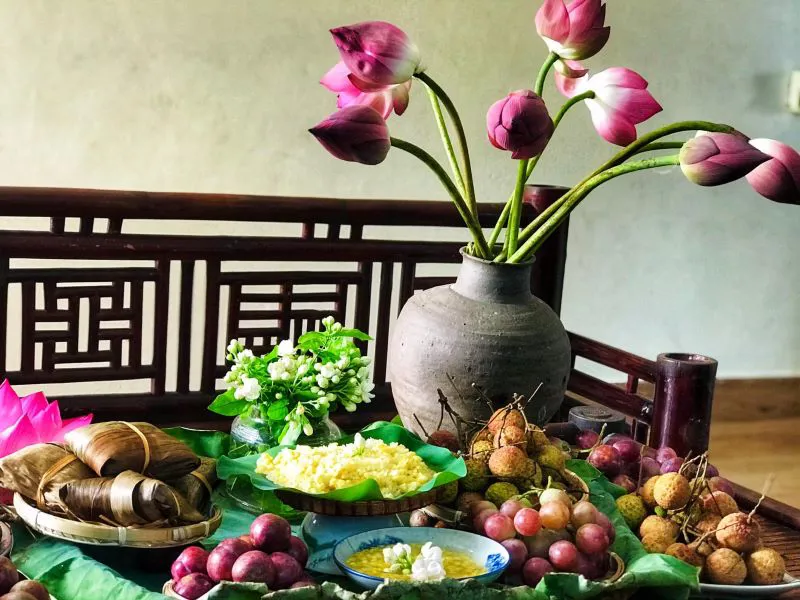
| Typical Doan Ngo banquet. Photo: Yeu Bep Esheep |
Tet Doan Ngo or Doan Ngo Festival is a traditional mid-year festival observed in Vietnam and several East Asian countries on the 5th day of the 5th lunar month. Vietnamese people often call it the “Bug-killing Festival”, while a folk song has been bequeathed with these verses: “Measuring out beans to cook sweet soup in April / Celebrating Tet Doan Ngo in May.”
The cultural program, which will take place on June 6 in the courtyard of Kinh Thien Palace, Thang Long Imperial Citadel, aims to preserve and honor the cultural traditions of the nation and the value of Thang Long's royal culture.
Doan Ngo Festival theme display
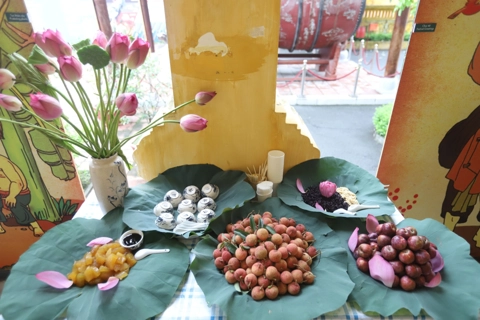
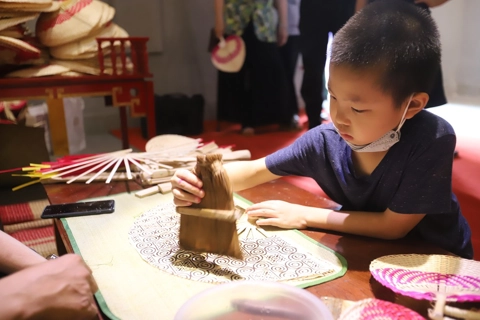
| The display of Doan Ngo Festival at Thang Long Imperial Citadel. Photo: Hoang thanh Thang Long |
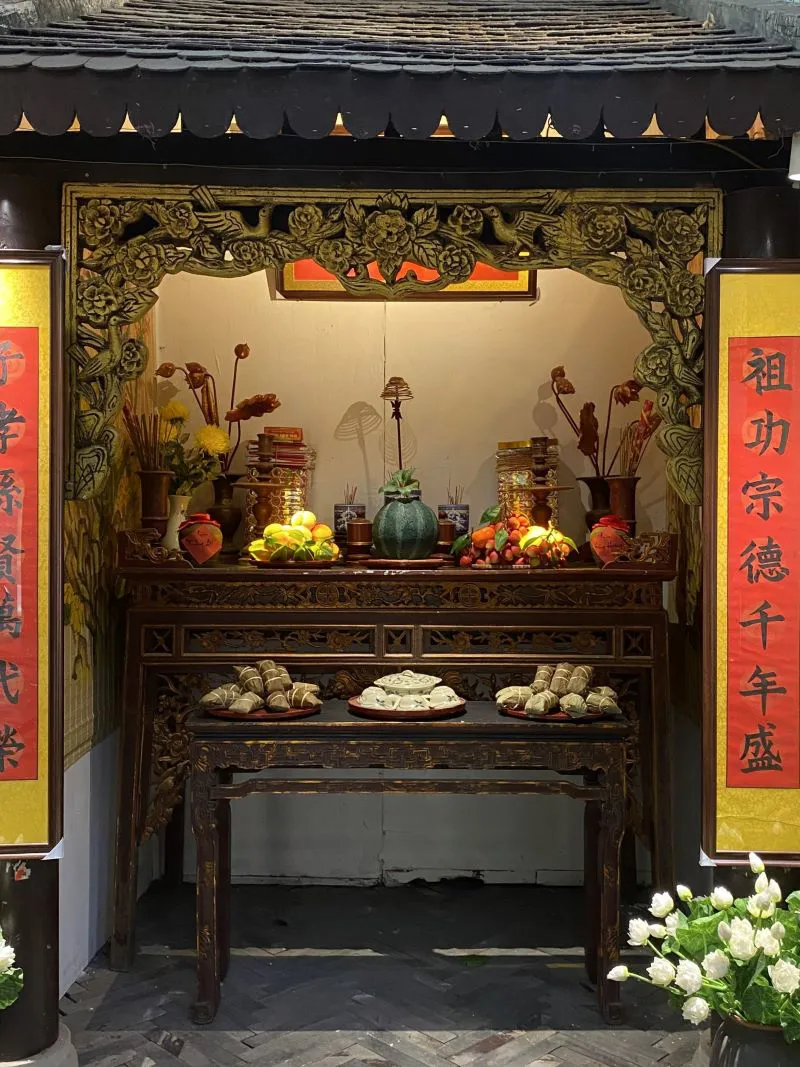
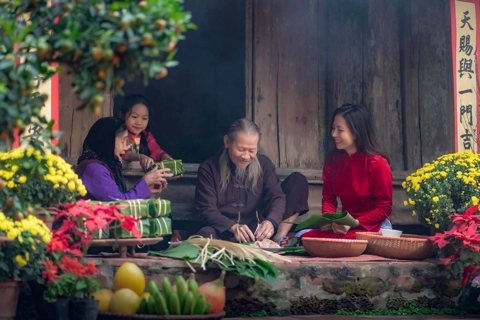
Doan Ngo often marks the beginning of the hottest days of the year. To combat the heat and prevent epidemics, Vietnamese ancestors passed down unique customs, such as eating and drinking certain foods early in the morning, picking medicinal herbs and making tea at noon, or wearing five-colored threads and perfumed medicine bags, which they believed would ward off insects.
These customs have been faithfully recreated through a worship space and an exhibition area reminiscent of the two old streets of Thuoc Bac and Hang Mun in Thang Long.
In addition, ancestor worship rituals, court ceremonies, and fan-giving rituals are explained through paintings and simulated models.
The display will last until June 10 at the Thang Long Imperial Citadel Heritage Site, No.19C Hoang Dieu Street, Ba Dinh District, Hanoi.
Performance of royal ceremonies
| The ritual of the Doan Ngo Festival Worship Ceremony usually takes place at noon on the 5th day of the 5th lunar month. |
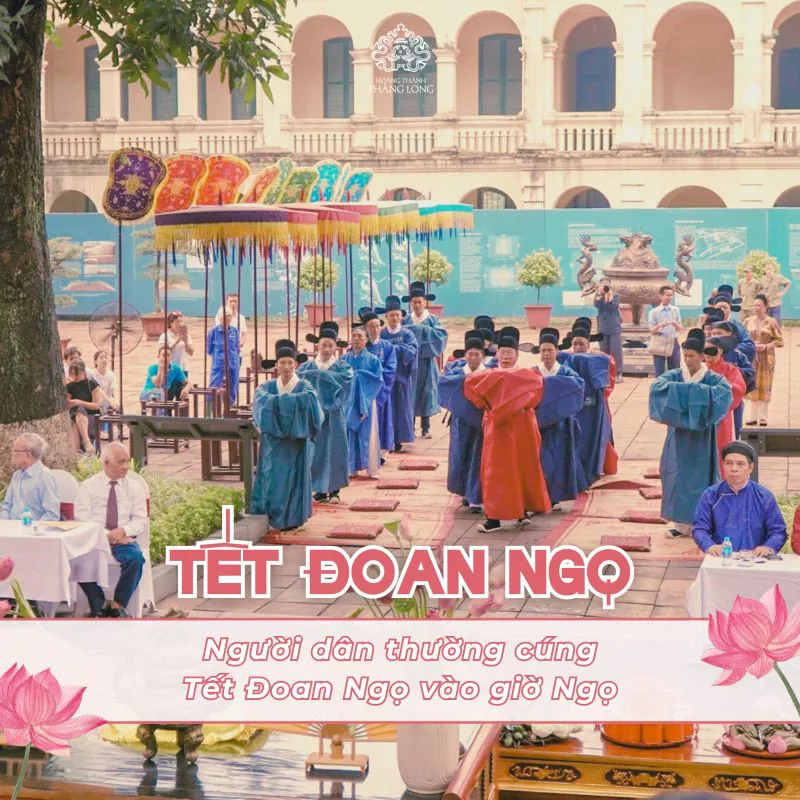
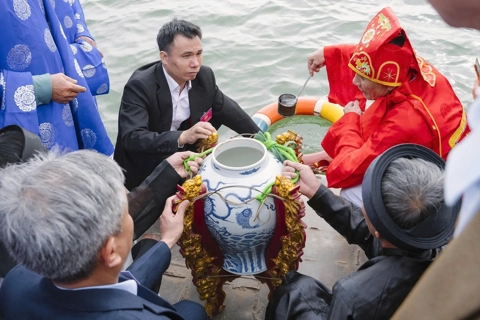
The Doan Ngo Festival was celebrated with royal ceremonies during the feudal period of Vietnam. The king and royal family also had to make offerings to their ancestors and parents and to reward court officials. To encourage loyalty, the king would write poems on paper fans that were given to dignitaries, soldiers, eunuchs, and maids, among others.
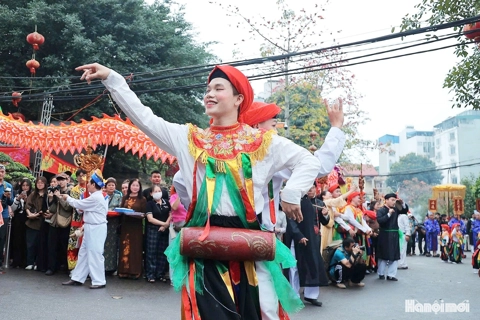
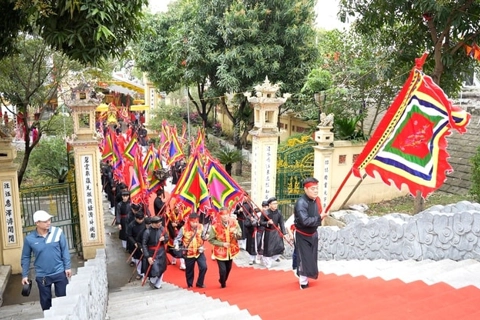
Every year on the occasion of Tet Doan Ngo, the Thang Long - Hanoi Heritage Conservation Center works with the Thang Long Cultural Heritage Association, Y Van Hien Ancient Costume Design House, and the Vietnam Performing Arts Conservation and Development Center to reenact these rituals.
| Tet Doan Ngo is also known as "National Medicine Day" in Vietnam. |
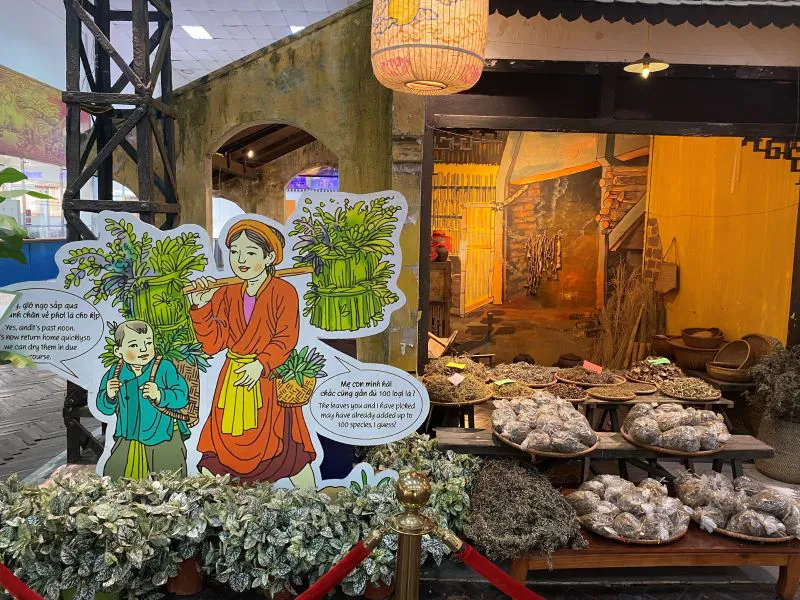
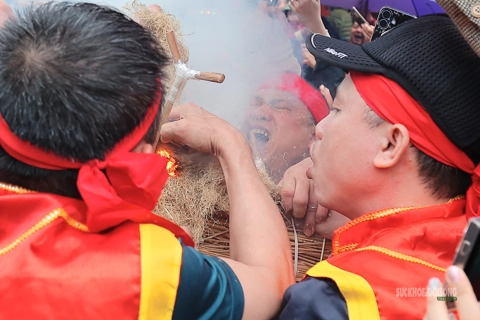
Observance of the “Bug Killing” custom
On this occasion, people often have the custom of picking herbal leaves. They believe that noon on the 5th day of the 5th lunar month is the best time to harvest herbal leaves to prepare traditional medicine.
According to Vietnamese folklore, there are "bugs" in our bodies, which are actually parasites that "emerge" on May 5th. Therefore, after the early morning ancestor worship ritual, the whole family would gather to eat fruits such as peaches, plums, lychees, watermelons, star-fruits, and mangoes along with banh tro (cake made of glutinous rice with mistletoe ash), ruou nep (fermented steamed sticky rice), and drink realgar wine or calamus wine.
Culinary artist Pham Thi Anh Tuyet explained that since the weather during the festival is often very hot, the cake helps people cool down and detoxify their bodies, and can act as a diuretic to rid the body of salt and water.
The ritual will be performed on June 6 at the Octagonal Tower, East Gate, Thang Long Imperial Citadel Heritage Area.
Performance and interaction
| A tea performance by tea artist Hoang Anh Suong. |
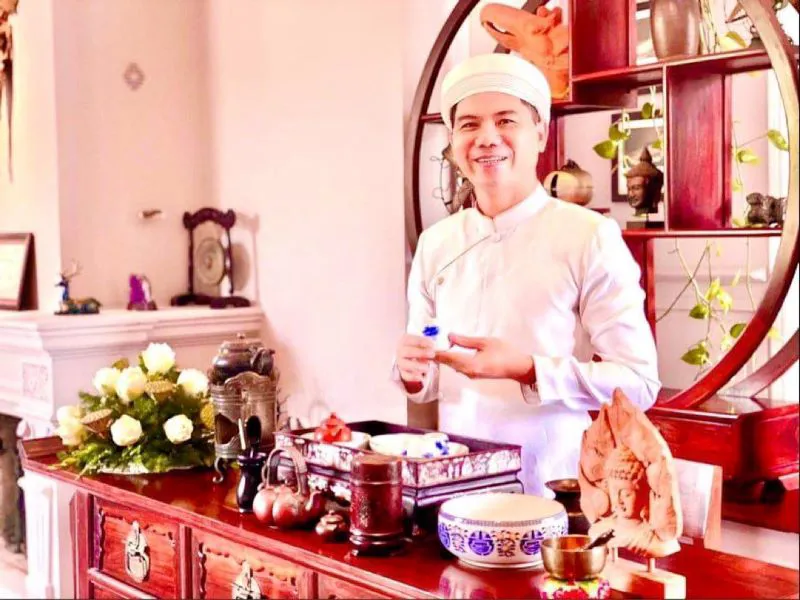
Drinking tea is a traditional habit of the Vietnamese people. At noon on the 5th day of the 5th lunar month, they would go pick Daly River satinash leaves and buds, guava buds, lotus leaves and flowers, jasmine flowers or Indian coral tree leaves to dry and store for drinking throughout the year. The kings of the Tran dynasty (1226-1400) had a special palace for the tea ceremony. The tea ritual reached its peak under the Le (1428-1789) and Nguyen (1802-1945) dynasties. At Doan Ngo Festival, the Nguyen kings rewarded their servants with tea in addition to edible bird's nests, fans, and handkerchiefs.
In honor of the royal tea ceremony, the center has collaborated with tea artists Hoang Anh Suong and Nguyen Cao Son to hold tea performances. They will also share with visitors interesting stories and secrets of brewing and serving tea while enjoying unique tea.
The tea performances will be hosted by tea artist Hoang Anh Suong on June 6 and tea artist Nguyen Cao Son on June 9 at the Octagonal Tower, East Gate of the Relic Site.