Vietnam highlights multilateral cooperation for water security
Some four billion people worldwide currently experience severe water scarcity for at least one month each year, and this situation is forecast to worsen in the future.
THE HANOI TIMES — Vietnam always pays much importance to multilateral cooperation for water security to address the impacts of climate change, said Deputy Minister of Agriculture and Environment Le Cong Thanh.
Speaking at the 32nd Regional Steering Committee (RSC) Conference of the International Hydrological Program (IHP) for Asia and the Pacific held in Hanoi on October 22, Thanh said water resources are essential for life and sustainable development, forming the foundation for food, energy and environmental security.
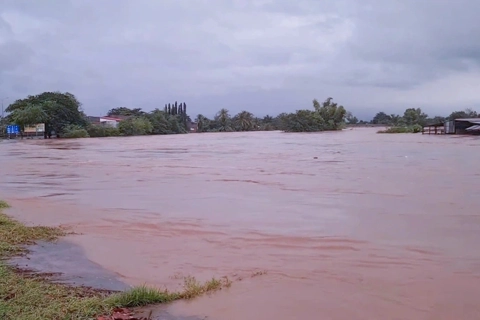
However, he warned that by 2050, around 52% of the global population will live in regions facing water stress. Climate change is intensifying the hydrological cycle, making floods, droughts and saltwater intrusion more frequent and severe.
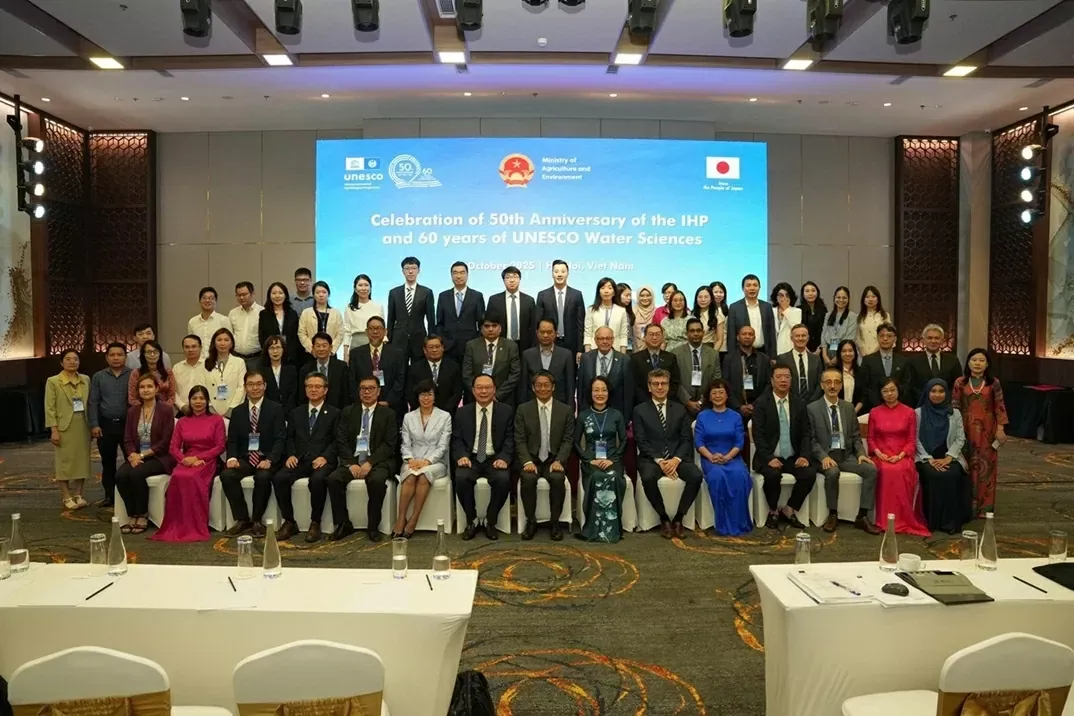
Delegates at the Conference pose for a group photo. Photos: VNA
Thanh urged stronger international cooperation driven by science and technology, emphasizing the need for data-driven solutions and collective action to address worsening water-related challenges exacerbated by climate change.
Held by the IHP Vietnam, in collaboration with the Vietnam National Commission for UNESCO and the UNESCO Office in Hanoi, the event gathered nearly 100 delegates and experts from 17 national IHP committees in the Asia-Pacific region.
This is one of UNESCO's significant international cooperation conferences organized by Vietnam in 2025, marking the 50th anniversary of the IHP and the 60th anniversary of UNESCO's Water Science. The event highlights decades of global commitment to advancing hydrological research and water management.
At the event, Ambassador Le Thi Hong Van, Secretary-General of the Vietnam National Commission for UNESCO, underscored the timely significance of the conference as the world faces a “global development emergency”, particularly regarding clean water.
She called for increased “levels of cooperation and action” to address climate challenges in the Asia-Pacific, reaffirming Vietnam's role as a “positive and reliable partner” in contributing initiatives and hosting UNESCO events, aligning with the national aspiration for “sustainable development and scientific diplomacy”.
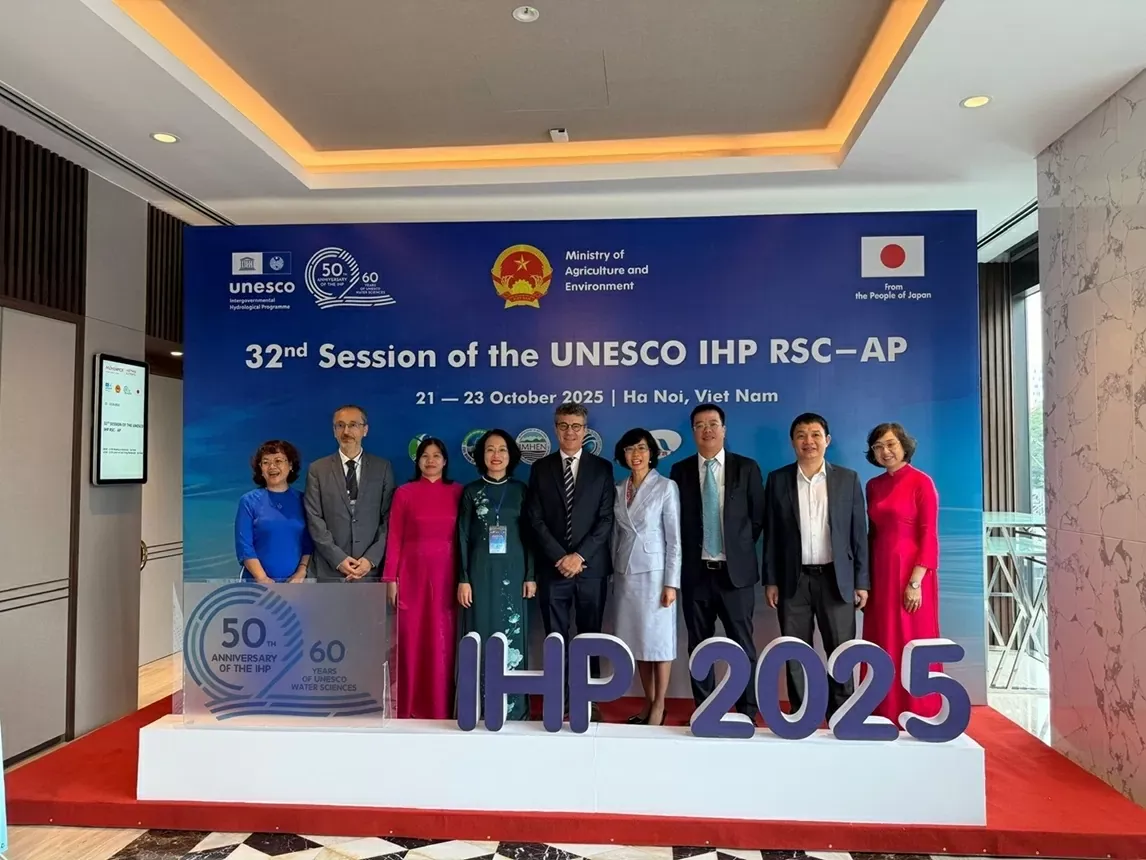
Ambassador Le Thi Hong Van, Secretary-General of the Vietnam National Commission for UNESCO (4th from right), and delegates pose for a commemorative photo.
In a video message, UNESCO’s Lidia Brito emphasized that wise water management is “a foundation for peace,” commending Vietnam’s leadership as Chair of the regional IHP Steering Committee and the Asia-Pacific’s vital cooperation in tackling climate challenges.
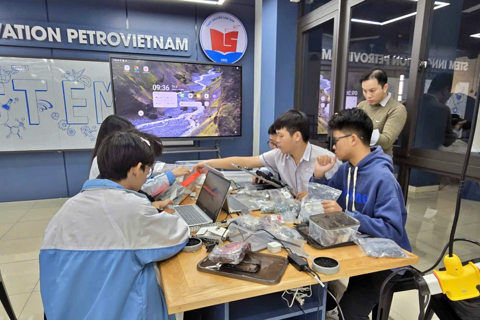
The conference explored innovative solutions in AI-driven hydrology, disaster risk management and sustainable water use, aligning regional efforts with UNESCO’s IHP-IX Strategic Plan and contributing to upcoming global water forums, while showcasing initiatives by young Vietnamese scientists recognized in the UNESCO Water Challenge 2025.
Established in 1975, the International Hydrological Program (IHP) is the UN’s only intergovernmental program on hydrology, water management and sustainable development, with Vietnam’s committee, based at the Institute of Meteorology, Hydrology and Climate Change, actively engaged in regional cooperation for four decades.
In 2024, Dr. Pham Thi Thanh Nga, Director of the IHP Vietnam, was elected as Chair of the Asia-Pacific Regional IHP Steering Committee (2025-2027), becoming the first female chair in the 50-year history of the regional steering committee.
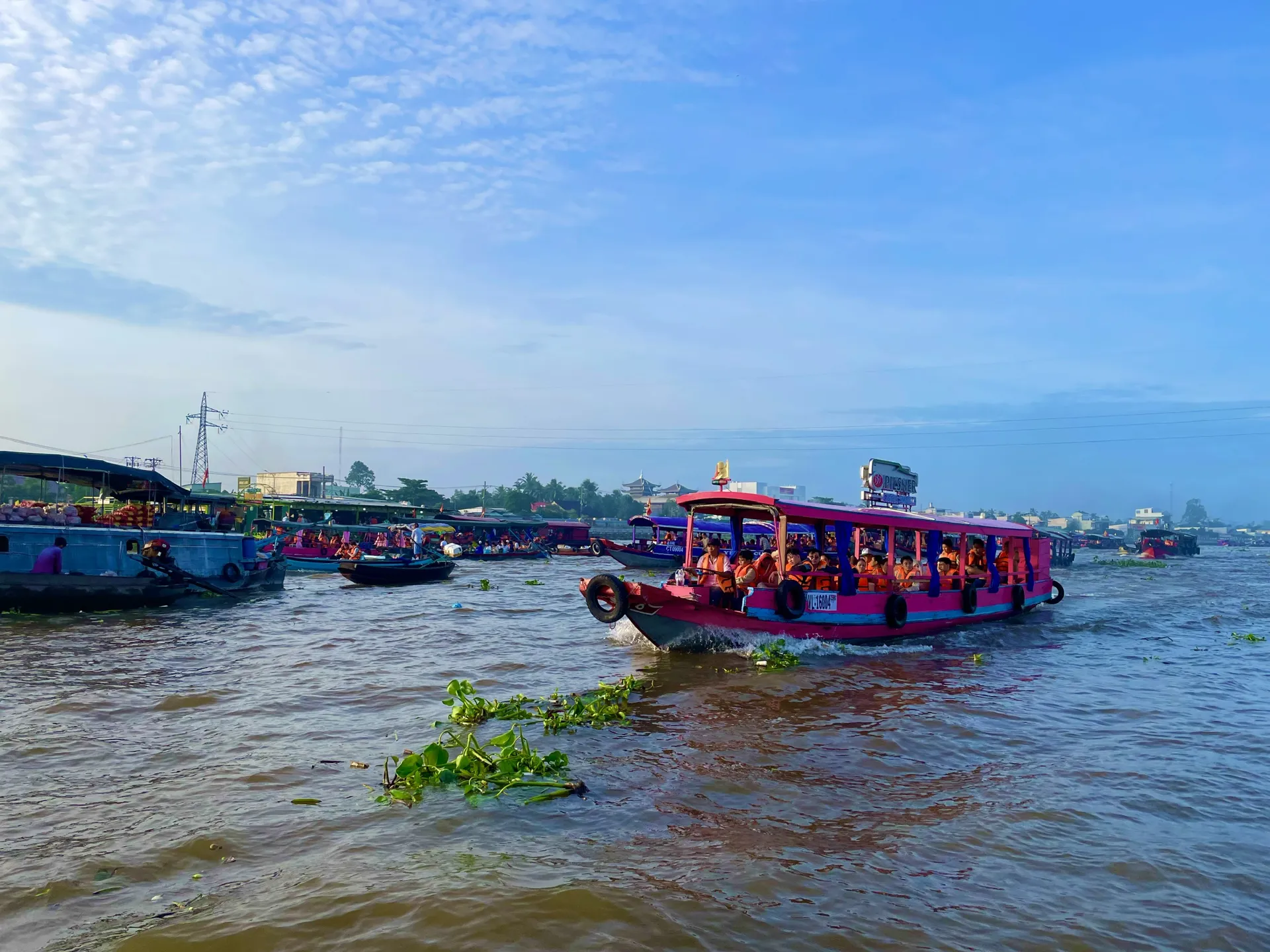
Mekong River in Vietnam's southern city of Can Tho. Photo: Linh Pham/The Hanoi Times