Log in
Hanoi

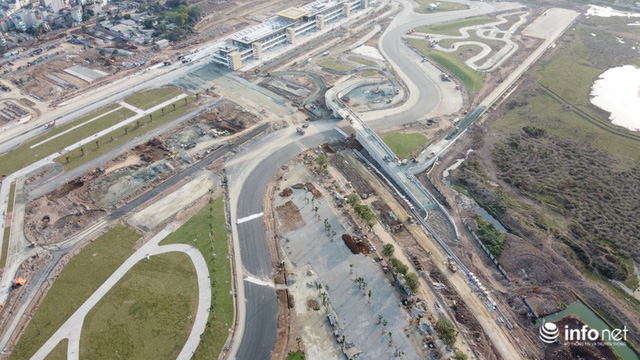
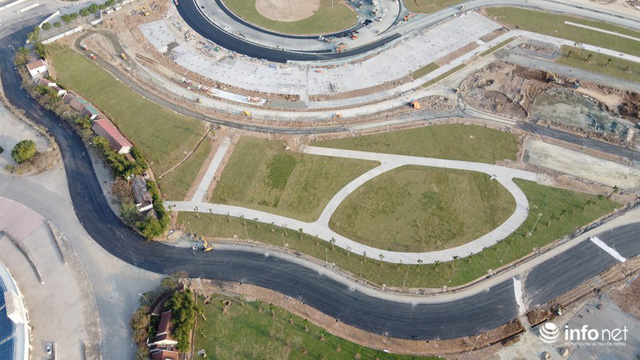
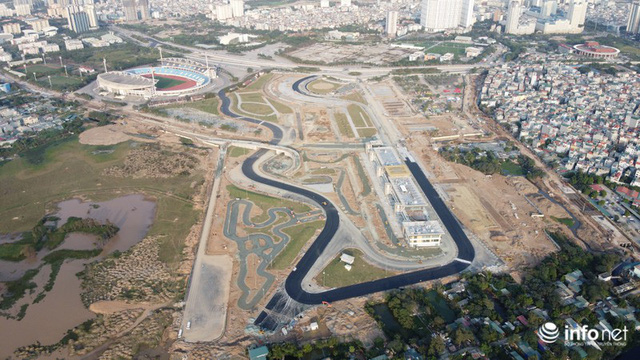
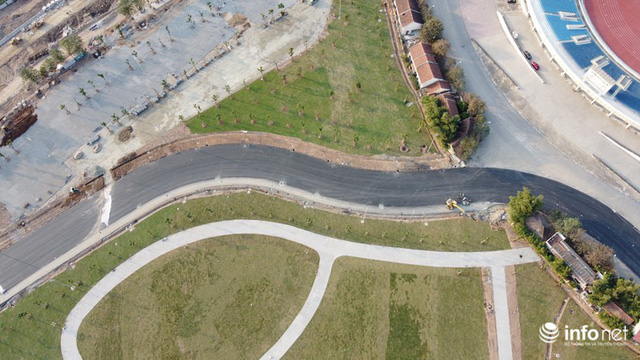
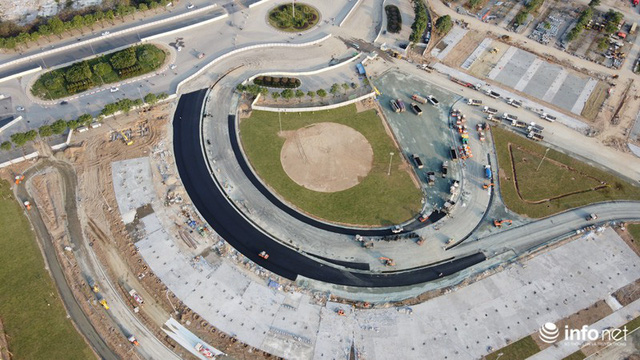
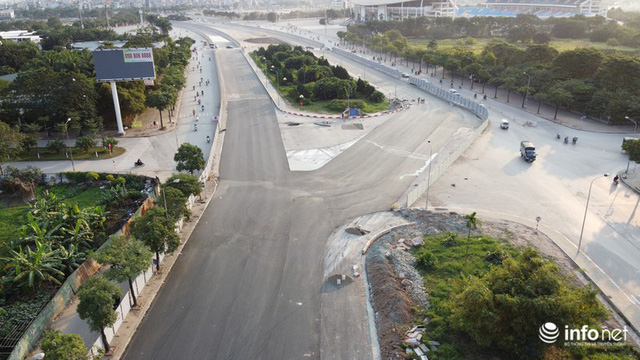
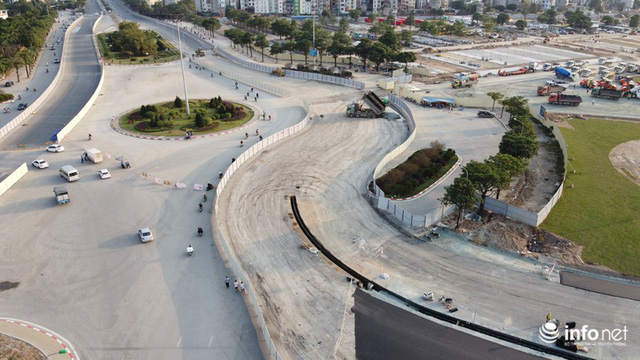
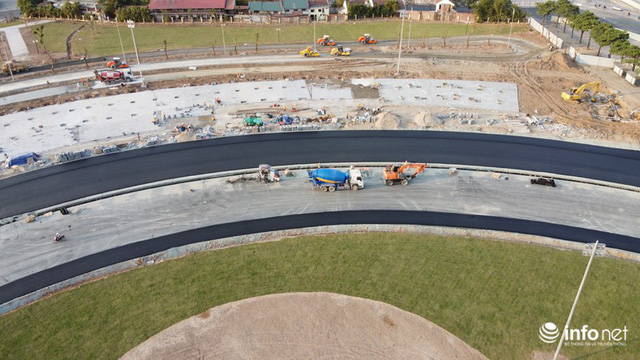
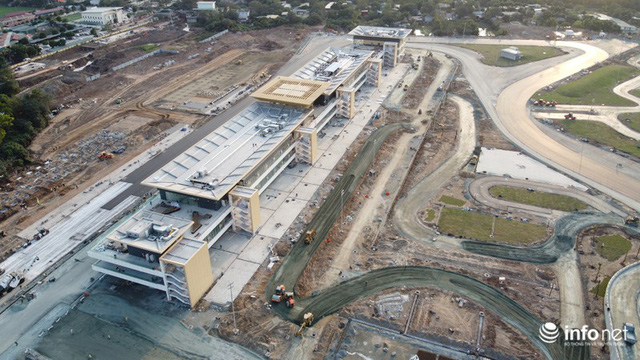
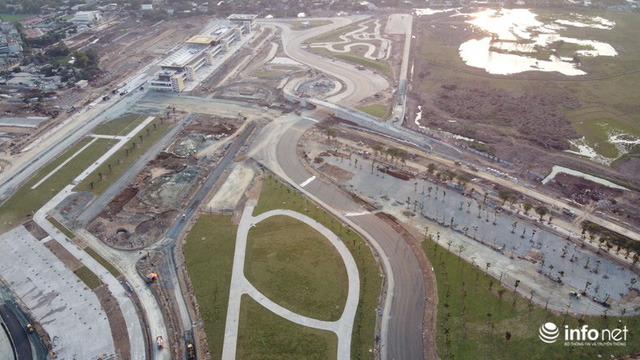
Bird's eye view of soon-to-complete F1 circuit

According to experts, F1 Hanoi, once completed, will be one of the most unique and amazing race tracks in the world.

The construction of Formula 1 or F1 circuit in Hanoi is slated to be completed in March and ready for the F1 official racing season in April, Infonet reported.

 The modern F1 race track has been 80% completed.

The very first turning sections of the track have been paved with asphalt. 

 The F1 race track is built on an area of 88 hectares including part of the campus of the My Dinh Sports Complex and surrounding streets that include Le Quang Dao and Le Duc Tho.

 The construction, launched on March 20 last year, is considered the combination of modern technique, advanced technology and traditional architecture. 

 The track features 22 turns over its 5.565km length, inspired by the sections of the race circuits in Monaco, Germany, and Japan.

 The track runs through some of Hanoi's major streets such as Le Duc Tho, Thang Long avenue and Me Tri. 


 The 360-degree turns will provide opportunities for racers to show their skills, together with the speed race in the long straight section of nearly 1.6km where the cars can accelerate to the top speed of 335km per hour.

The makeshift grandstand was installed along the race track providing the audiences the broad view of the racing. 

 The Pit Building is one of the most significant items. 

 The workers and machines are working with maximum efforts to hand over the project in time. According to experts, once completed, F1 Hanoi will be one of the most unique and amazing race tracks in the world.


Photo: Infonet. 

Reactions:
Share:
Trending
Most Viewed
Related news
Hanoi gears up for a vibrant 2026 Countdown

Hanoi gears up for a vibrant 2026 Countdown

With the energy of thousands gathering in Hanoi downtown, the Countdown 2026 promises to be an unforgettable way for people to welcome the New Year.

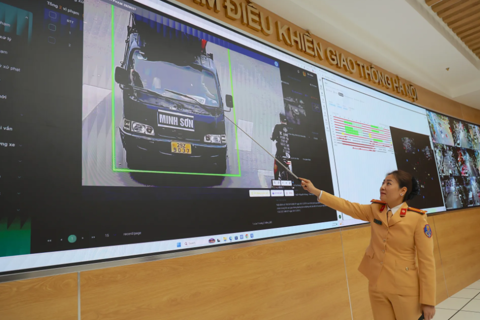
Hanoi launches AI-powered traffic control center for traffic violations

Hanoi launches AI-powered traffic control center for traffic violations

The system automatically detects common violations, significantly reducing the need for traffic police to be deployed directly on the streets while improving accuracy and transparency in traffic management.

Hanoi plans 10,000-hectare urban megacity with world-class stadium

Hanoi plans 10,000-hectare urban megacity with world-class stadium

The stadium’s design draws inspiration from Dong Son bronze drums and the Lac bird motif, symbolizing Vietnam’s aspiration to rise.

Hanoi greenlights Olympic sports city and Red River boulevard to drive next growth phase

Hanoi greenlights Olympic sports city and Red River boulevard to drive next growth phase

The approval of two landmark projects underscores Hanoi’s push to unlock new growth engines, reshape its urban structure and accelerate its ambition to become a green, smart and globally connected capital.

Hanoi targets 1,200 supporting industry firms by 2030

Hanoi targets 1,200 supporting industry firms by 2030

The city aims to enhance the competitiveness of the capital’s industrial sector by tightening cooperation with Vietnamese enterprises and multinational corporations operating in Vietnam.

Red River Boulevards shape Hanoi’s new growth axis

Red River Boulevards shape Hanoi’s new growth axis

The creation of a landscape boulevard can help Hanoi reconnect with its historic identity shaped by water and restore the river-based character that defined the city for centuries.

Hanoi moves to strengthen urban order and civility

Hanoi moves to strengthen urban order and civility

These include expanding public communication efforts, reorganizing and upgrading streets and sidewalks, maintaining a clean and orderly urban environment and carrying out strict inspections to address violations.

Hanoi honors 87 entities and buildings for using green energy

Hanoi honors 87 entities and buildings for using green energy

Enterprises adopted highly automated technologies in line with Industry 4.0 standards and all businesses in industrial parks, clusters, rural industries and craft villages will keep applying energy-efficient measures.