Hanoi shortens interval between AstraZeneca doses
AstraZeneca is the first Covid-19 vaccine authorized for use in Vietnam and it is currently the most widely used vaccine in the national vaccination campaign.
The Hanoi Department of Health has agreed to reduce the minimum period between two AstraZeneca Covid-19 vaccine shots to four weeks from eight.
The capital city wants to reduce the time between two AstraZeneca shots to speed up its immunization efforts, achieving herd immunity as soon as possible, according to the Hanoi Center for Disease Control who proposed the interval reduction.
The National Institute of Hygiene and Epidemiology also made the same recommendation, saying the second injection could be administered at least four weeks after the first one.
Earlier, in late September, the Ministry of Health allowed localities to decide to shorten the time between two AstraZeneca shots on their own while adhering to recommendations of the World Health Organization (WHO) and the manufacturer.
Then, the Ho Chi Minh City Department of Health reduced the time between two AstraZeneca Covid-19 shots from the recommended eight to 12 weeks down to six weeks to speed up immunization.
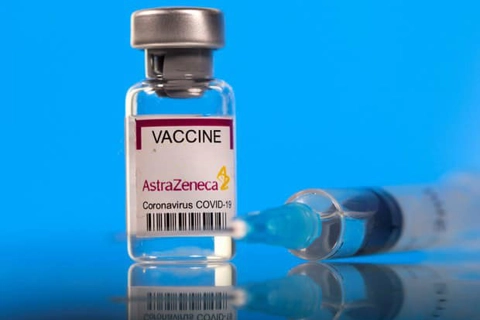
AstraZeneca Covid-19 vaccine. Photo: Ministry of Health |
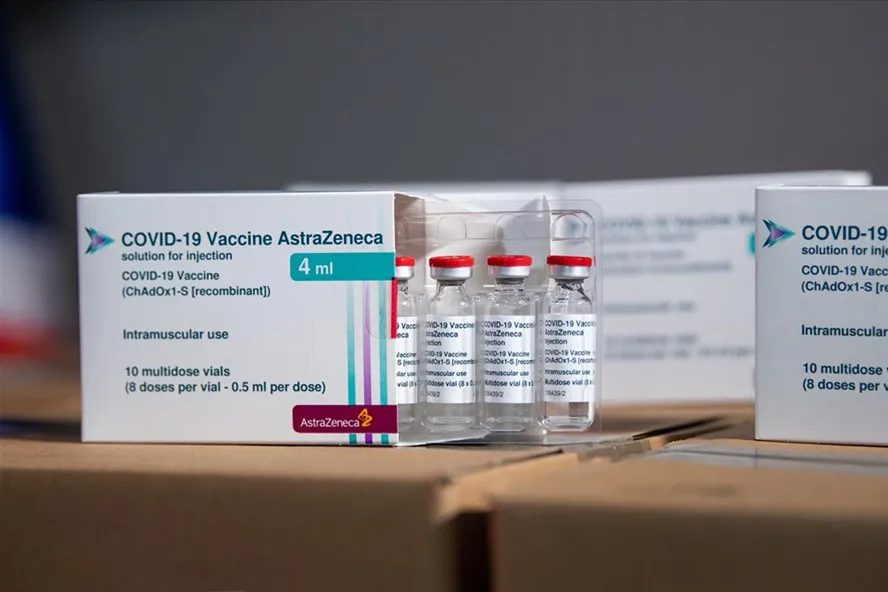
AstraZeneca is the first Covid-19 vaccine authorized for use in Vietnam and it is currently the most widely used vaccine in the national vaccination campaign.
The AstraZeneca vaccine manufacturers said the vaccine has an efficacy rate of 69.2% 22 days after the first shot. The second dose’s protection rate is 55.1% if it is administered less than six weeks after the first dose. It increases to 59.7% six to eight weeks and 80% 12 weeks after the first dose.
Thus, the manufacturers advise that it is optimum to administer the second dose about four to 12 weeks after the first dose.
Meanwhile, the WHO recommends that AstraZeneca doses should be given eight to 12 weeks apart as longer intervals have been found to be associated with greater vaccine efficacy.
The Vietnamese Ministry of Health has instructed healthcare facilities to administer the AstraZeneca or Pfizer vaccine for those who have received the first dose of AstraZeneca. The interval is eight to 12 weeks.
Tran Thi Nhi Ha, Director of the Hanoi Department of Health, said that as of November 15, Hanoi had administered some 11.05 million vaccine doses for more than 6.11 million people, with 4.9 million fully vaccinated.
Around 93% of residents aged 18 and older have got the first dose of a Covid-19 vaccine, but less than 70% of this age group have been fully vaccinated, Ha noted.
She added that there were about a million people over 50 waiting to receive the second dose, starting November 15.
In an interview with The Hanoi Times, Nguyen Trong Khoa, deputy director of the Department of Medical Examination and Treatment under the health ministry said that a study conducted by Oxford University showed a longer delay of up to 45 weeks between the first and second dose of AstraZeneca vaccine leads to enhanced immune response.
"There is an excellent response to a second dose, even after a 10-month delay from the first," he added.
Khoa also quoted Andrew Pollard, Professor of Paediatric Infection and Immunity and Lead Investigator of the Oxford University trial of the AstraZeneca vaccine, as saying that a three-month interval produces very good protection.
"This gets even better with a longer interval from three to four months, thus, should come as reassuring news to countries with lower supplies of the vaccine, who may be concerned about delays in delivering second doses to their populations," Khoa cited.