Log in
Hanoi

Hanoi: Tour to train street banned

Hanoi’s tough measures aim to ensure rail safety for visitors.

The Hanoi Times The Tourism Department of Hanoi has requested that travel agencies refrain from sending tourists or promoting tours to the famous "Train Street" in downtown Hanoi.
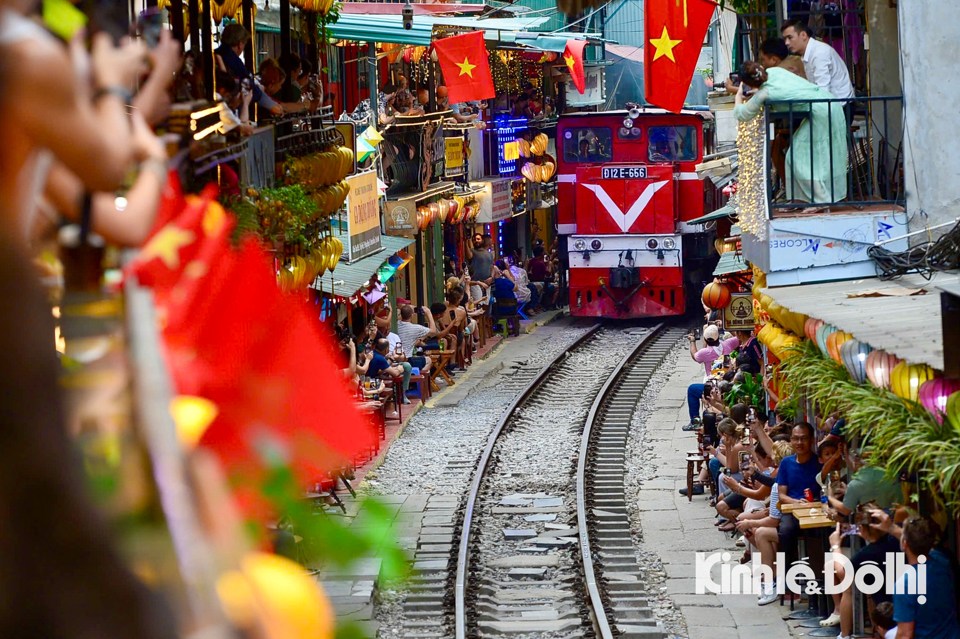
The "Train Street" in Hanoi's Old Quarter. Photo: Duy Minh/ The Hanoi Times

Accordingly, travel service providers and passenger transport operators in the city are required to ensure the safety of tourists and prevent potential traffic accidents in the railway zone.

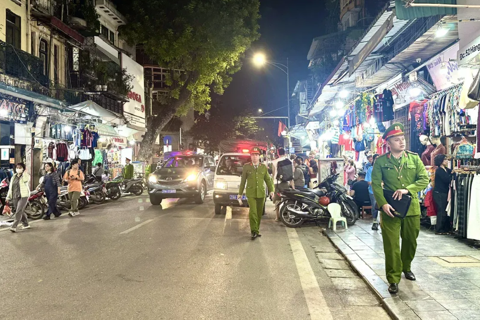
This move follows the previous notice issued by the Hoan Kiem District's authorities on February 6, 2025, which called for measures to deal with "disorder" on the railway line running through downtown Hanoi.

The section of the railway that runs through Cua Nam, Hang Bong, and Cua Dong wards in Hoan Kiem District has gained international fame for its unique setting, with most of the houses within a meter of the tracks. Visitors love to sip coffee while watching the trains pass by inches away, a thrilling but risky experience.

To mitigate the risk of accidents, the Tourism Department of Hanoi has emphasized that Hanoi

 travel agencies must warn both employees and tourists about the potential dangers of visiting the area. The department also urges businesses to work closely with relevant authorities to address safety concerns to ensure the protection of all involved.

These measures reflect Hanoi's efforts in maintaining public safety in the booming tourism industry. Visitors are encouraged to enjoy the city's other attractions while exercising caution when exploring areas such as Train Street.

Reactions:
Share:
Trending
Most Viewed
Hanoi gears up for a vibrant 2026 Countdown

Hanoi gears up for a vibrant 2026 Countdown

With the energy of thousands gathering in Hanoi downtown, the Countdown 2026 promises to be an unforgettable way for people to welcome the New Year.

Hanoi launches AI-powered traffic control center for traffic violations

Hanoi launches AI-powered traffic control center for traffic violations

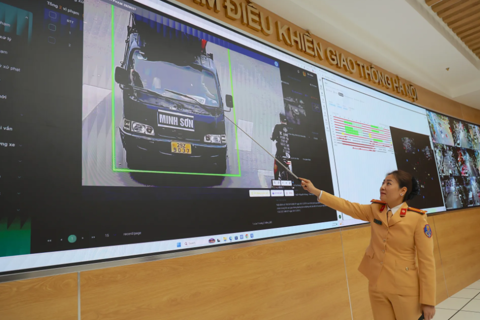
The system automatically detects common violations, significantly reducing the need for traffic police to be deployed directly on the streets while improving accuracy and transparency in traffic management.

Hanoi plans 10,000-hectare urban megacity with world-class stadium

Hanoi plans 10,000-hectare urban megacity with world-class stadium

The stadium’s design draws inspiration from Dong Son bronze drums and the Lac bird motif, symbolizing Vietnam’s aspiration to rise.

Hanoi greenlights Olympic sports city and Red River boulevard to drive next growth phase

Hanoi greenlights Olympic sports city and Red River boulevard to drive next growth phase

The approval of two landmark projects underscores Hanoi’s push to unlock new growth engines, reshape its urban structure and accelerate its ambition to become a green, smart and globally connected capital.

Hanoi targets 1,200 supporting industry firms by 2030

Hanoi targets 1,200 supporting industry firms by 2030

The city aims to enhance the competitiveness of the capital’s industrial sector by tightening cooperation with Vietnamese enterprises and multinational corporations operating in Vietnam.

Red River Boulevards shape Hanoi’s new growth axis

Red River Boulevards shape Hanoi’s new growth axis

The creation of a landscape boulevard can help Hanoi reconnect with its historic identity shaped by water and restore the river-based character that defined the city for centuries.

Hanoi moves to strengthen urban order and civility

Hanoi moves to strengthen urban order and civility

These include expanding public communication efforts, reorganizing and upgrading streets and sidewalks, maintaining a clean and orderly urban environment and carrying out strict inspections to address violations.

Hanoi honors 87 entities and buildings for using green energy

Hanoi honors 87 entities and buildings for using green energy

Enterprises adopted highly automated technologies in line with Industry 4.0 standards and all businesses in industrial parks, clusters, rural industries and craft villages will keep applying energy-efficient measures.