Hanoi’s Do singing becomes national intangible heritage
The accreditation will help promote Hanoi's unique cultural heritage worldwide and make the city more attractive to tourists.
Liep Tuyet Hat Do or Do singing on Hanoi's outskirts of Quoc Oai has been inscribed as a new national intangible cultural heritage.
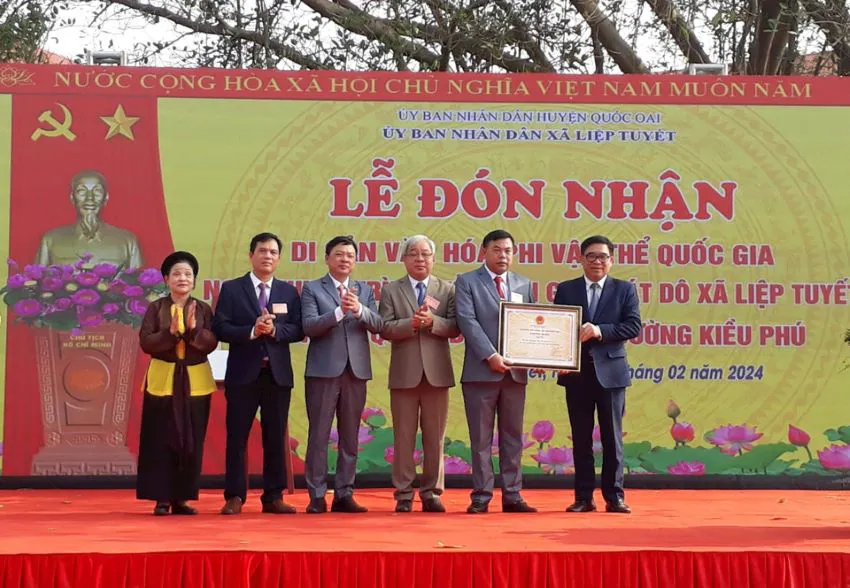
| Hanoi's Do singing is recognized as national intangible cultural heritage. Photo: Phuong Nga/The Hanoi Times |
Founded in Hanoi's rural district of Quoc Oai, Hat Do or Do singing is a special traditional art form that carries rich Vietnamese cultural identity and aesthetic values.
With a history dating back several centuries, the singing is associated with the legend of Tan Vien Son Thanh or the Saint of Tan Vien Mountain.
Tan Vien Son Thanh is one of the four immortals in traditional Vietnamese mythology. He is said to have ruled all creatures on land. He taught people how to grow crops, hunt animals, catch fish, practice martial arts, and hold festivals.
Do singing was found and practiced to show locals' desire for good natural conditions and life of happiness and prosperity.
Do singing is divided into three genres: Hat Tho or Worshipping Singing that is usually practiced inside the temple; Hat Truc and Hat Mua Bo Bo or informal Do singing that is practiced outside the temple.
| Do singing is among 14 recently-recognized national intangible heritages by the Ministry of Culture, Sports and Tourism. |
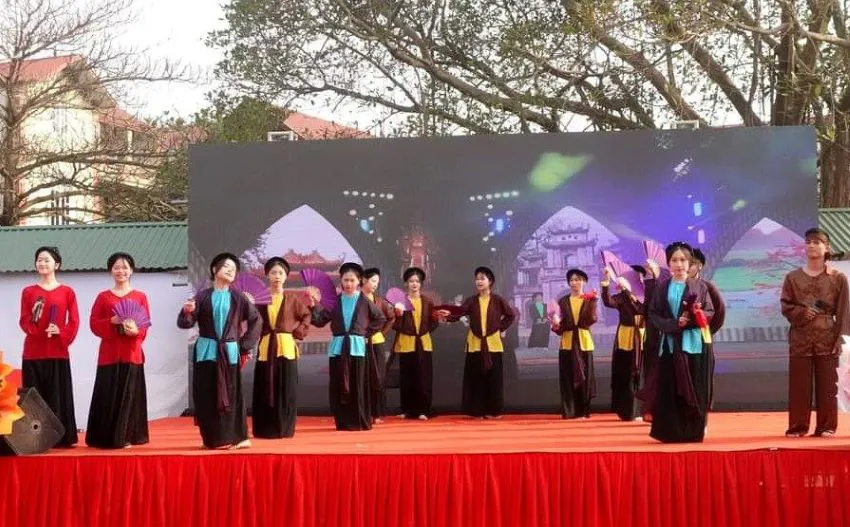
Performed without instrumental accompaniment, with only beats and fans as props, the singing also includes songs praising the beauty of nature and demonstrates man's desire to conquer nature.
According to ancient customs, the singers must be young and unmarried women who are not mourning any dead relatives.
"Apart from its myth, Do singing is a wonderful human creation. It is truly a precious jewel in the nation's cultural heritage that must be preserved and passed down from generation to generation," said Professor Dr. To Ngoc Thanh, Chairman of the Vietnam Folk Arts Association.
The Do Singing Festival lasts from the 10th to the 15th of the first lunar month. Since the event takes place every 36 years, folk singing exists almost by word of mouth and is in danger of being forgotten.
| Folk artist Nguyen Thi Lan and young members of Liep Tuyet Commune's Do Singing Club. Photo courtesy of the club |
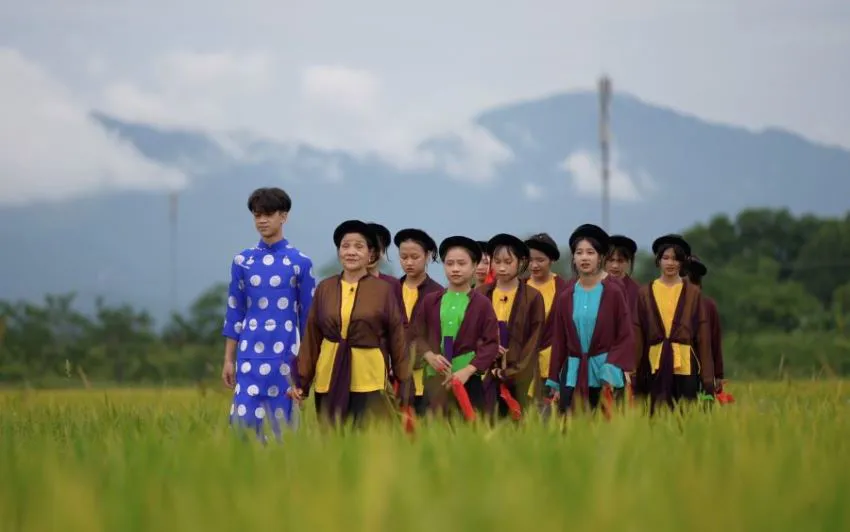
Founded in 1999 by folk artist Nguyen Thi Lan, the Liep Tuyet Commune Do Singing Club is the only place in Hanoi where this folk performance is practiced. Now, the club has more than 1,000 members, including 35 students who often participate in training and performances. Do singing has become a routine cultural activity for the people of Liep Tuyet.
Lan and her club members are now able to perform at festivals and events in Quoc Oai District. They are even invited to neighboring provinces to introduce this folk song to audiences across the country.
"Now the young generations of Liep Tuyet Commune, from kindergarten to high school, all know Do singing. This is the joy and motivation that keeps me working to preserve our tradition," Lan said.
The Ministry of Culture, Sports and Tourism recently recognized the efforts of local people and government authorities in preserving Do singing and praised the great value of the folk performance, listing it as one of the national intangible heritages.
Speaking at the ceremony celebrating the art form as a national cultural heritage, Vice Chairman of Quoc Oai District People's Committee Hoang Nguyen Ung affirmed that with this recognition, Do singing will be better protected and popularized in the community. At the same time, it contributes to the promotion and preservation of Hanoi's culture.
Do singing performance by Liep Tuyet Do Singing Club
Video credit: Huyen Kieu