How serious is gender-based harmful practices in Vietnam?
Deep-rooted son preference is one of harmful practices causing gender inequality in Vietnam.
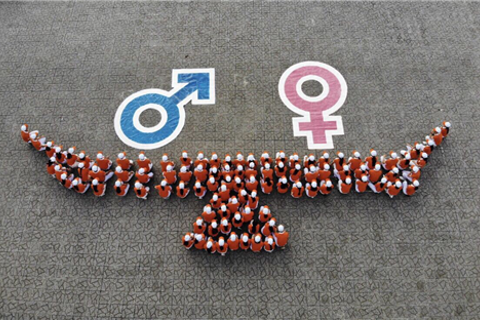
Gender-based violence (GBV) and gender-biased sex selection (GBSS) are among harmful practices for women and girls in Vietnam, ruining its gender equality record.
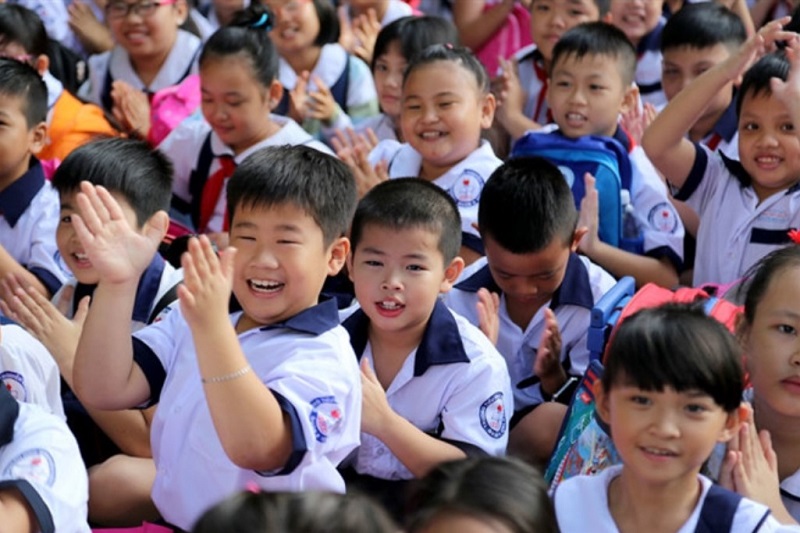
| Vietnam records increasing gender inequality. Photo: Nguoi Lao Dong |
The manifestation of GBSS is largely measured through sex ratio at birth (SRB) and Vietnam’s SRB is the third highest in the world behind China and India, according to a project supported by the United Nations Population Fund (UNFPA) and the Embassy of Norway in Vietnam.
First identified in Vietnam in 2004, the unbalanced SRB has rapidly increased and reached 111.5 male births for every 100 female births in 2019 as indicated in the 2019 Population and Housing Census.
The figure hits 120/100 in several areas against the biologically “natural” or “normal” sex ratios of 105/100, UNFPA’s experts shared at a meeting in Hanoi last week.
They said this demographic imbalance is a result of pre-natal sex selection, which is the termination of pregnancy when the fetus is determined to be female.
Data from the 2019 Population and Housing Census also estimated that roughly 45,900 female births are not given a chance to be born in Vietnam every year because they were found to be girls.
The underlying cause of all these is gender-inequality and under-valuing of girls and women, the experts said.
Son preference, which is deeply rooted in the traditional culture in many countries in the world including Vietnam, is a powerful manifestation of gender inequality.
GBSS should be addressed not only for gender equality, but also the population’s marital status. As such, more intensified nation-wide efforts are needed to fully implement existing legal and policy frameworks to prevent GBSS and promote gender equality more broadly.
Joint efforts
For that reason, a three-year program “Addressing Gender Biased Sex Selection and related harmful practices in Vietnam” receiving UNFPA’s technical support and the Norwegian Embassy in Hanoi’s funding aims at ending GBSS.
The project which was launched in April 2020 supports the legal enforcement and campaigns on changing social norms and practices of son preference and undervaluing girls, strengthening of the capacities of the media, implementation of the fatherhood program, and streamlining of the country’s coordination mechanisms for GBSS.
| Norwegian Ambassador to Vietnam Grete Løchen at the a meeting in Hanoi on April 15. Photo: Embassy of Norway in Hanoi |
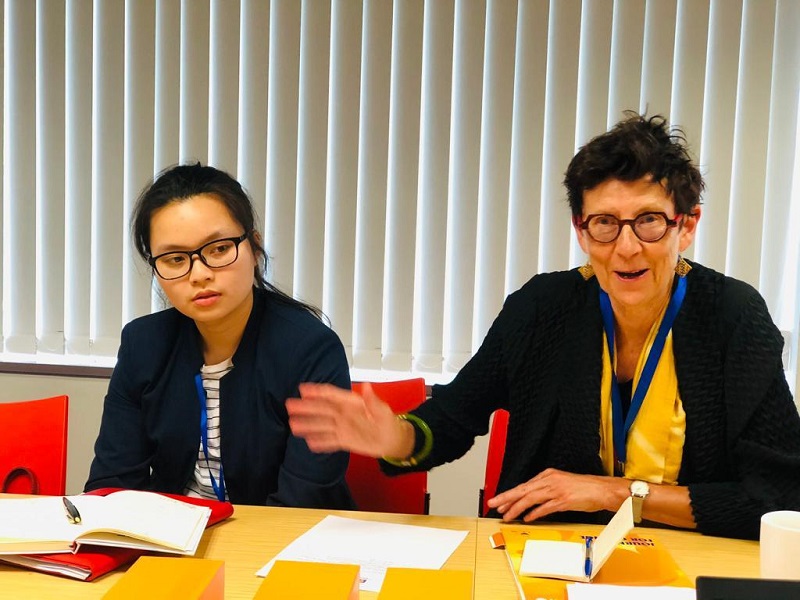
“Strengthening and defending global norms on practices and the rights of girls and women, including work against son preference, is a priority for Norway. In this area, integrated measures to boost the status, opportunities and power of girls and women appear to be most effective. Norway has been working with a wide variety of partners and stakeholders, including UNFPA, to address this issue globally, regionally and locally,” said Norwegian Ambassador to Vietnam Grete Løchen.
“I am very pleased that in Vietnam, UNFPA with the financial support of Norway, is taking the lead on addressing gender biased sex selection in close cooperation with the Government of Vietnam. Close partnerships and a holistic approach are key measures for success in addressing harmful practices,” the ambassador noted.
| UNFPA Representative in Vietnam Naomi Kitahara at the meeting. Photo: UNFPA Vietnam |
.JPG)
Meanwhile, UNFPA Representative in Vietnam Naomi Kitahara said “We must put an end to son preference and the undervaluing of girls in our efforts to promote gender equality in the country. Vietnam is making progress, but the progress must be accelerated within the context of the Decade of Action for Sustainable Development Goals (SDGs).”
“With this joint program, we will support the Government of Vietnam and civil society to speed up the process of change, towards a modern and progressive Vietnam where women and girls have the same opportunities to succeed in society as men and boys do, and where we value our girls as much as we value our boys,” she emphasized.
The project has ambitious goals when it is expected to improve public awareness of the gender inequality among different groups of people, including the youth.
| Do Quyen, 12th grader in Hanoi-Amsterdam High School for the Gifted. Photo: UNFPA |
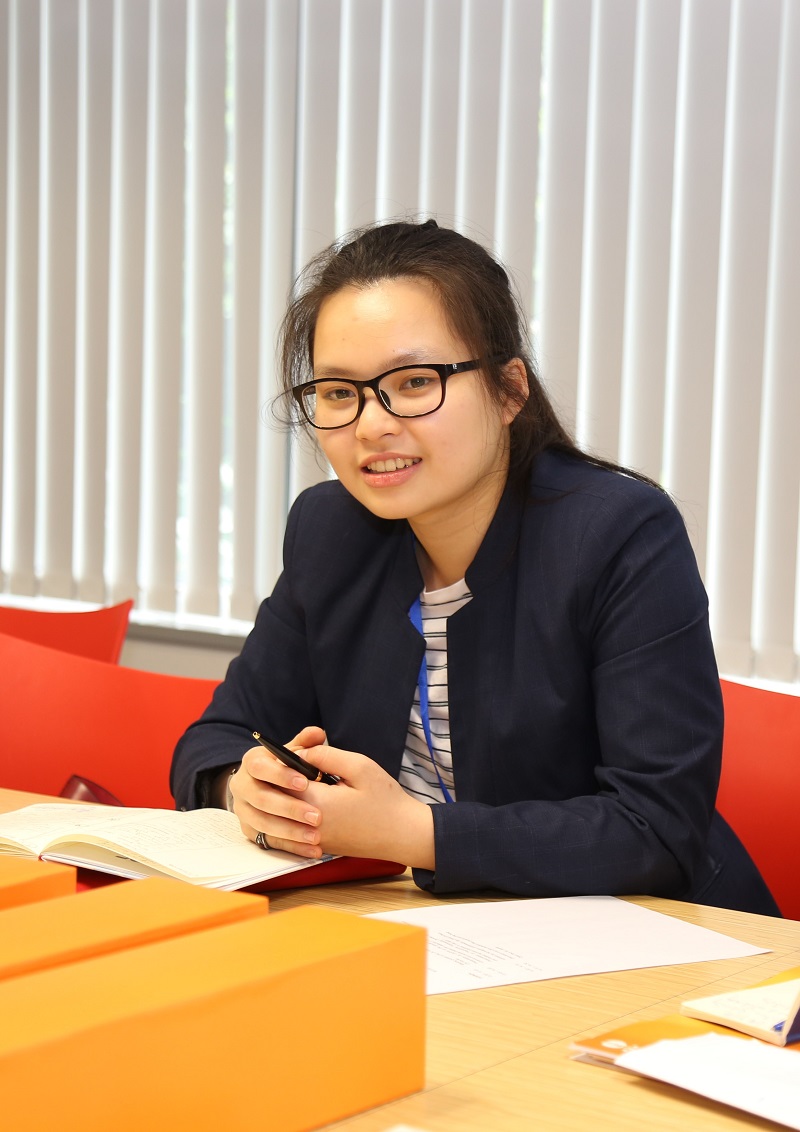
Do Quyen, a 12th grader from Hanoi-Amsterdam High School for the Gifted, who was selected as one-day ambassador of the Norwegian Embassy in Hanoi, represented young people raising concerns over the gender inequality in Vietnam. She said this issue has earned significant attention by people of her age.
Vietnam’s experience and good practice will be shared, in the UN’s spirit of South-South collaboration, with other countries in the region, especially Bangladesh and Nepal that have also experienced imbalanced sex ratio as a result of GBSS.