Integrating cultural and human values into Hanoi's urban planning: Key to sustainable development
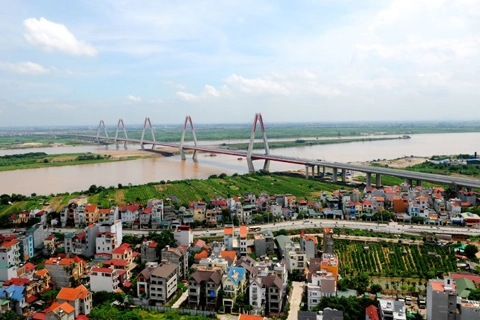
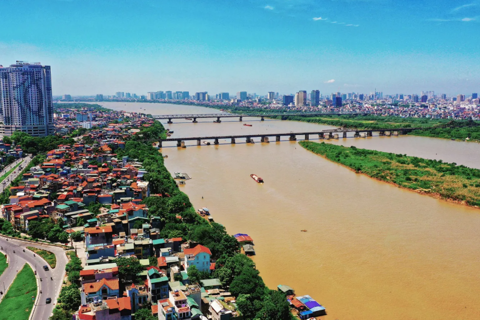
Hanoi, with its thousand-year heritage and uniquely historical and cultural layers along the Red River, stands as one of Southeast Asia's most vibrant cities.
Experts believe that Hanoi's urban development planning should prioritize cultural coherence and diversity to create a balanced and sustainable living environment.
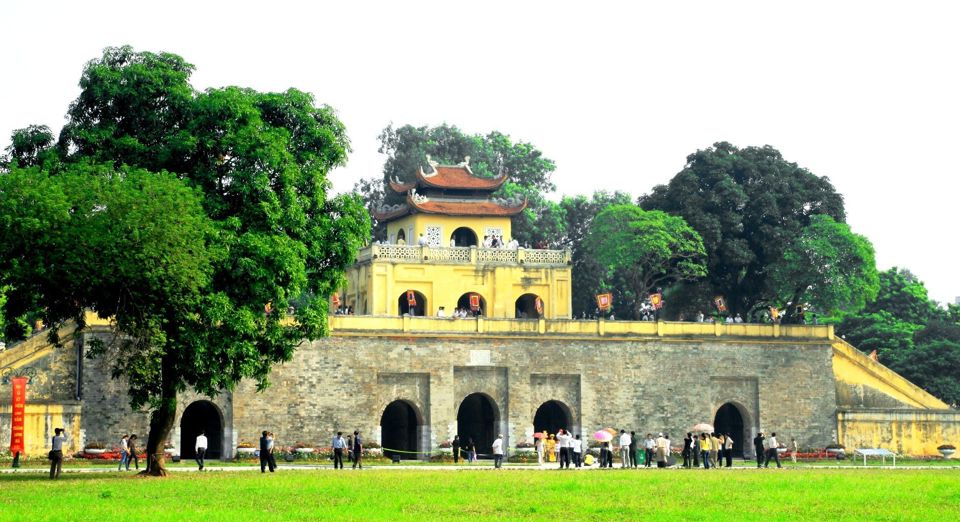
| Thang Long Imperial Citadel. Photo: Thuy Anh/The Hanoi Times |
Creating cultural spaces
The Politburo’s Conclusion No.80-KL/TW on Hanoi’s long-term vision emphasizes that the planning for Hanoi and the Master Plan Adjustment must adhere to the principle that "culture and people are both the goal and the foundation, the driving force, and the most important resources for the development of Hanoi."
This principle is at the heart of the city’s process of developing the capital planning for the period 2021-2030, with a vision to 2050. In guiding capital planning, Hanoi's municipal leaders have consistently emphasized that Hanoi's culture and its people are the key resources for sustainable development.
“Building and developing culture and human resources is seen as a crucial task, providing the foundational strength and motivation to build a 'Civilized - Modern - Cultured' capital,” said Vice Chairman of the Hanoi People’s Committee Ha Minh Hai at a recent conference.
Following this directive, the consulting unit has researched and established overarching goals and specific targets for the development of Hanoi’s cultural sector in the upcoming period. This includes shaping distinct cultural spaces aimed at fostering the development of cultural industries and creative urban areas.
Architect Le Hoang Phuong from the National Institute of Urban and Rural Planning (the Ministry of Construction), part of the consulting consortium for capital planning, stated that Hanoi will focus on developing cultural spaces along key axes.
Notable among these is the Red River festival space, which will feature a heritage road showcasing the history, landscapes, and people of Vietnam along both banks of the river. This space will also feature reenactments of traditional cultural festivals from different regions.
Additionally, a cultural and arts center is planned around West Lake, including professional performance centers. Historical sites and cultural heritage will be restored using new technology, and museum and library spaces will be created, linked to exhibitions and displays of cultural and artistic products and experiences.
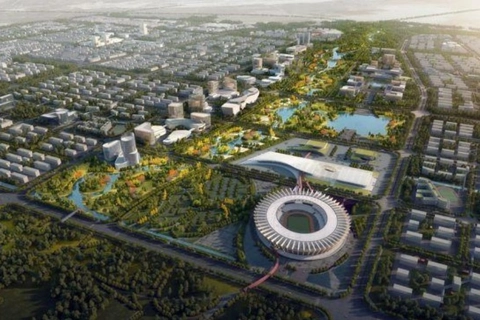
The architectural planning will reflect Hanoi's cultural characteristics, including residential and urban development in central and new urban areas. Iconic structures associated with squares and festival spaces along the West Lake - Co Loa axis and the new administrative center of the capital will be developed. Cultural and craft village spaces will be transformed into tourist attractions, showcasing and promoting traditional craft products and ancient villages.
Experts with long-standing ties to Hanoi agree that the city needs to define a people-centered development philosophy and prioritize the development of the cultural environment. Without cultural links, it is impossible to connect with history, which is vital for a city with a millennium of cultural heritage like Hanoi.
Combining cultural preservation with smart city development
Dr. Nguyen Quang, former Director of UN-Habitat Vietnam, stressed the importance of balancing cultural coherence and diversity in urban planning to create a balanced and sustainable urban environment.
“Hanoi, with its thousand-year heritage, possesses a unique blend of historical and cultural layers along the Red River. The city is interwoven with streams of creativity, art, culture, and life, making it one of the most vibrant cities in Southeast Asia. This social asset is crucial for Hanoi to harness and enhance,” said Quang.
Associate Professor Pham Duy Duc, former Director of the Institute of Culture and Development at the Ho Chi Minh National Academy of Politics, suggests that to ensure a harmonious integration of cultural coherence and diversity in the capital planning, it is essential to preserve and respect traditional cultural heritage.
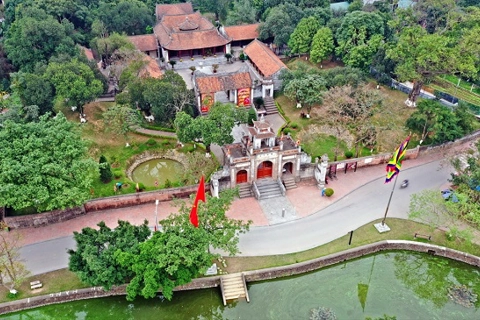
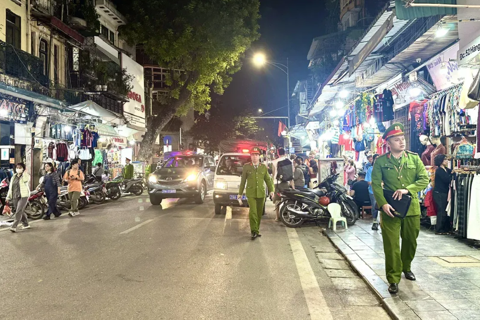
These include the Old Quarter, Thang Long Imperial Citadel, and Van Mieu-Quoc Tu Giam, alongside Buddhist architecture, temples, palaces, and French colonial architecture. There will also be creative cultural spaces to encourage cultural and artistic innovation.
“Developing urban areas to promote cultural and artistic creativity means creating favorable conditions for artists and art groups to perform and exhibit their work. These creative cultural spaces should be located not only in the inner city but also in suburban and rural areas,” he said.
Expanded Hanoi includes the Thang Long and Xu Doai cultural streams, integrating parts of the Kinh Bac and Son Nam Thuong cultures. Experts believe that urban planning should take into account the characteristics of these cultural regions to leverage and enhance Hanoi's sustainable development while respecting cultural diversity and enriching the city's cultural landscape.
Close interaction and collaboration with local communities and residents are essential to ensure that urban planning and development reflect and serve the city's cultural diversity, to safeguard the legitimate interests of the residents, who are the primary stakeholders in urban planning, and to create new momentum for the city's sustainable development.
Of particular importance is collaboration with international organizations and other cities to learn and share experiences in preserving and promoting cultural values, with a focus on connecting cities within ASEAN and strengthening cooperation with creative cities worldwide.
Using smart technology to preserve and promote cultural heritage, such as the development of smart tourism guide applications to explore cultural sites, can create opportunities for local artists and craftspeople. Supporting local cultural and artistic talent through creative programs and projects is also essential.
"Combining the preservation and development of Hanoi's culture with the construction of a smart and sustainable city will create a diverse and rich living environment for residents and visitors to the capital," emphasized Duc.
| “As a major cultural hub of the nation and a representative of Vietnamese culture, Hanoi's urban planning must prioritize cultural elements. Culture should be at the heart of the organization of spaces and technical infrastructure. In addition to preserving the cultural heritage, it is essential to develop new architectural works that reflect contemporary significance, so that Hanoi can be on par with the capitals of developed countries in the region. The city aims to integrate globally, become a creative city, and a prominent cultural tourism destination,” Associate Professor Dr. Pham Thi Thu Huong, Rector of Hanoi University of Culture. |