Italy’s fresh table grapes: The model for sustainable agriculture and food safety
In today's world, where consumers focus on the origin and quality of their food, managing every step—from cultivation to processing, packaging, and distribution—is not only a commitment to product excellence but also a critical responsibility in safeguarding public health.
| This article is based on observations made by The Hanoi Times during a recent visit to Bari, Italy, where reporters toured table grape farms and packaging facilities, observing firsthand the meticulous processes and standards upheld throughout Italy’s grape industry. Photos: Hoang Nam |
.jpg)
An integrated model: "Farm to Fork"
Italy has embraced the "Farm to Fork" model, an integrated approach widely adopted across Europe. This framework ensures food quality and safety at every point in the supply chain, from farm cultivation to the consumer’s table. The system, supported by European Union regulations, involves rigorous inspections and a commitment to unified standards among participating nations to provide consumers with safe, high-quality food.
In Italian farms, crops are strategically arranged in grid-like plots for efficient management. Each crop type grows in dedicated zones, customized for specific soil, light, and moisture needs. Companion planting is also practiced, where secondary plants help enrich and protect the soil, boosting biodiversity and creating a healthy growth environment for primary crops.
Rafaele Teofilo, owner of the long-established organic vineyard 2Erre, elaborates: “Our farm relies on advanced automation to maintain optimal growing conditions. The system automatically adjusts humidity and other essential factors, ensuring ideal growth conditions. Fertilizer tanks are divided and monitored electronically, distributing nutrients through irrigation channels as needed, which minimizes direct human involvement and safeguards worker health.”
Applying AI for quality control
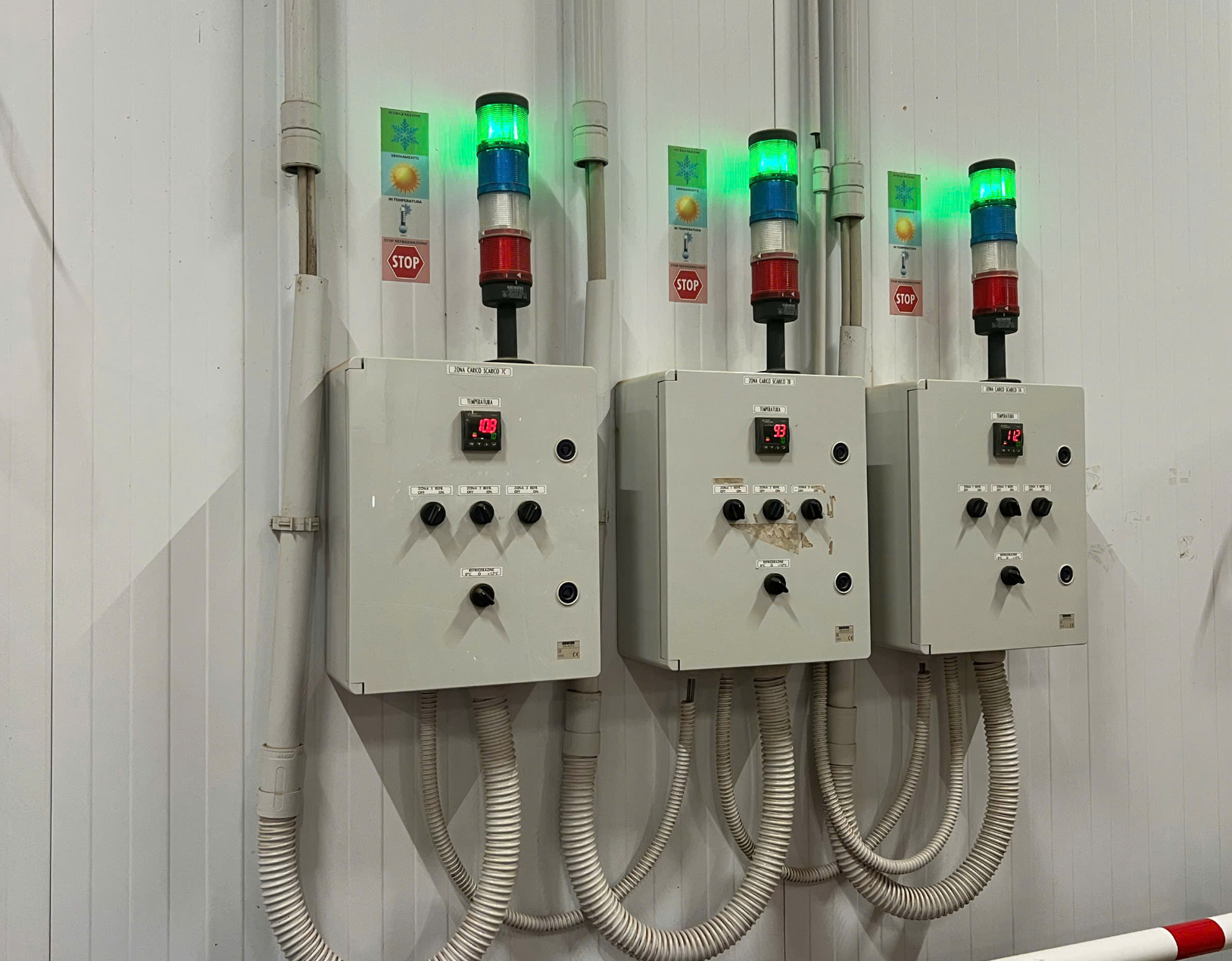
| High-end measuring system to ensure optimal storage conditions. |
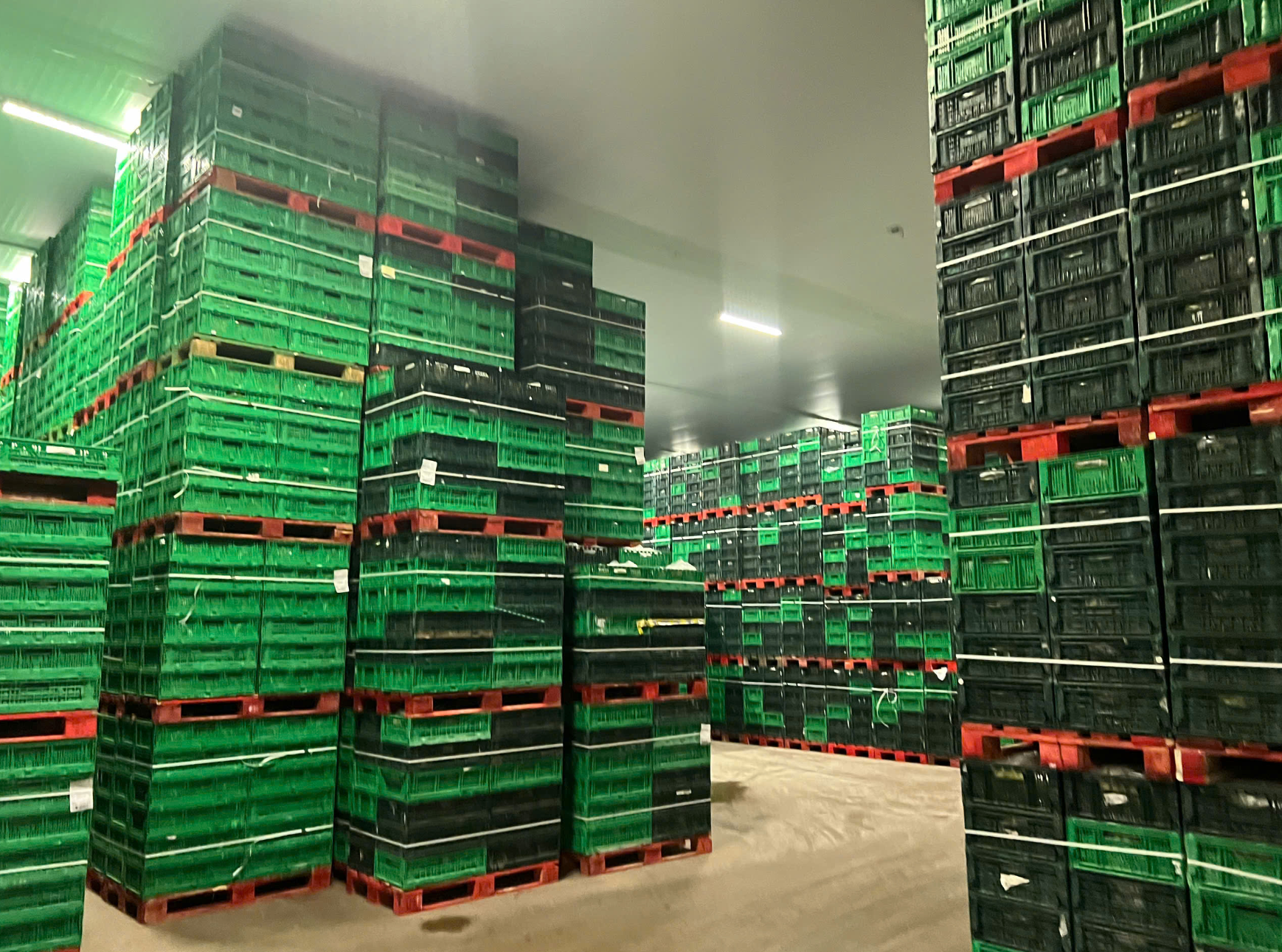
Italian grape farms use cutting-edge AI BOT technology to monitor crop quality in real-time. AI systems assess color, size, gloss, maturity, and ripeness, ensuring only high-quality grapes reach harvest. This technological integration not only guarantees product quality but also enhances productivity, optimizes harvesting schedules, and reduces operational costs.
Additionally, farms employ specialized irrigation systems designed to detect and manage pest-related diseases, with natural insect repellents applied through the irrigation lines. This eco-friendly approach protects crops from insects without harming the soil or the surrounding environment, underscoring Italy’s commitment to sustainable agriculture.
Processing and packaging: Maintaining quality to the final stage
| Inside Archidea, the largest fruit processing and packaging fruit in the Bari region. |
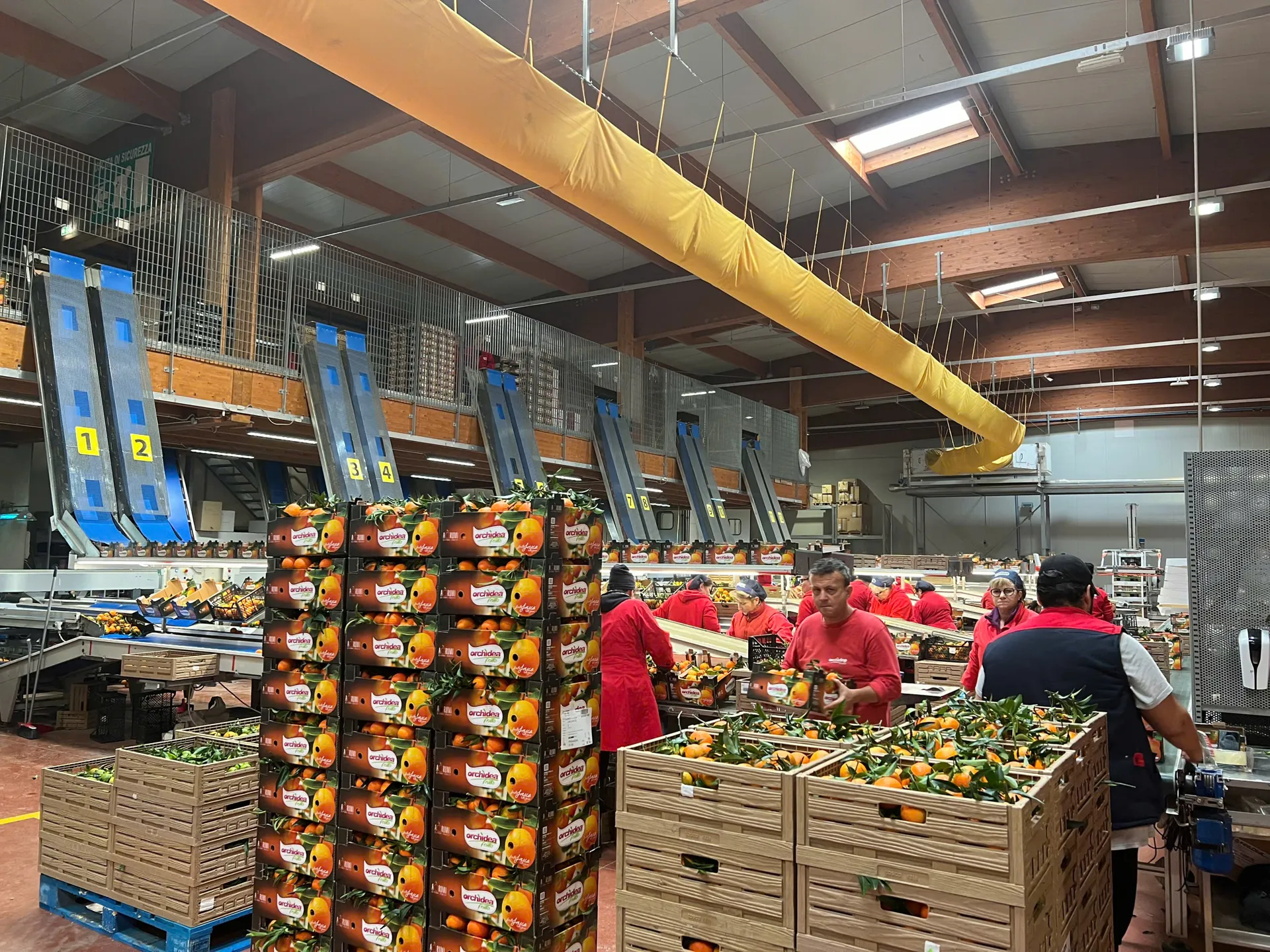

The post-harvest processes in Italy’s grape industry are as essential as the cultivation steps. Facilities are divided into distinct zones, with air filtration systems to prevent cross-contamination during processing, storage, and packaging. Storage temperature is carefully managed between 12-6°C and 0-2°C, ensuring that grapes remain fresh and safe for consumption.
Angelo Antresini, President of agricultural export group NAVA, explains: “With ideal conditions for temperature, humidity, and air quality, we can store fresh grapes for up to 90 days without harmful chemicals. Our algorithm-driven automation maintains air purity throughout the processing chain, reducing contamination risks. Each day, our factory handles up to a ton of produce, with temperature and humidity constantly monitored. Refrigerated transport containers ensure freshness as our grapes reach global markets.”
Each package is meticulously labeled with origin details for easy traceability, reflecting Italy’s commitment to quality and transparency. Employee well-being is also a priority, with regular breaks and extended rest times for women to support a healthy, sustainable work environment.
Sustained Commitment to Quality and Innovation
| Red grapes are prepped and ready for the packaging stage. |
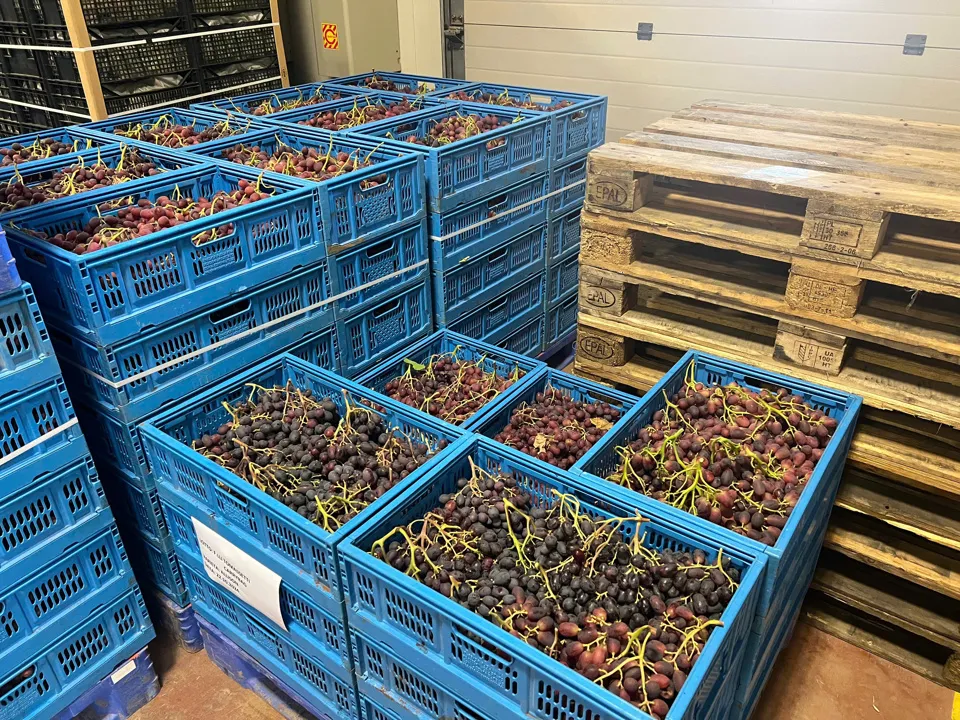
Italy’s commitment to clean, sustainable agriculture goes beyond slogans; it is visible in each step from farm to factory. Even with efficient processes in place, Italian farmers and enterprises continue to innovate, adopting new technologies and experimenting with modern farming and preservation methods. The “Farm to Fork” model, widely supported by EU initiatives, fosters transparent, quality-driven supply chains, allowing for mutual inspection and accountability across borders.
Agricultural scientist Dr. Vincenzo Santoro from AbaBio Agricultural Development Cooperative emphasizes: “Food is not only about nutrition but is also essential for overall health. Clean, safe agricultural products help prevent diseases and improve quality of life.”
Through stringent standards and thorough inspections, Italy and other European countries set a high bar for quality and sustainability, meeting the growing consumer demand for safe, clean agricultural products.