Log in
Life

On exhibition 19th century Hanoi Citadel documents

The exhibition will last until the end of December. 

As many as 70 copies of maps, documents, and photos of Hanoi Citadel between the years of 1802 and 1945 are being showcased at Thang Long – Hanoi Heritage Conservation Center. 

The exhibition, named “Hanoi Citadel – a Mark of Time” and jointly held by the Thang Long – Hanoi Heritage Conservation Center and the National Archive I, is among a series of activities to celebrate the 15th anniversary of Vietnam Heritage Day (November 23). 

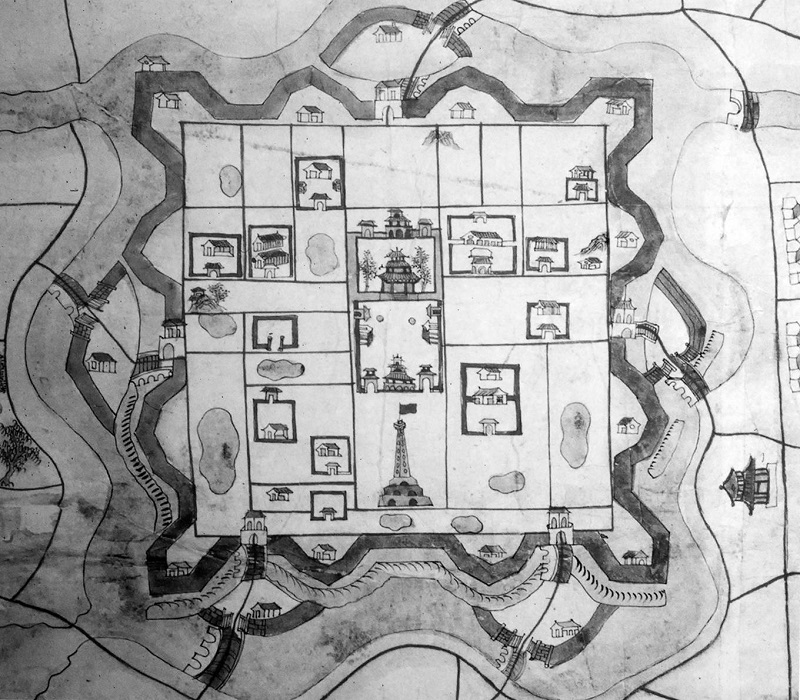
Hanoi Citadel was built by the Nguyen dynasty on the foundation of the demolished Le dynasty’s citadel to the style of Vauban fortifications in France. Although ceasing to be the prime military stronghold, under the Nguyen Dynasty, Hanoi still retained its role as an important political and economic hub. Kinh Thien Palace (at the center of the map above) was the royal accommodation for the Nguyen kings when they toured the North.

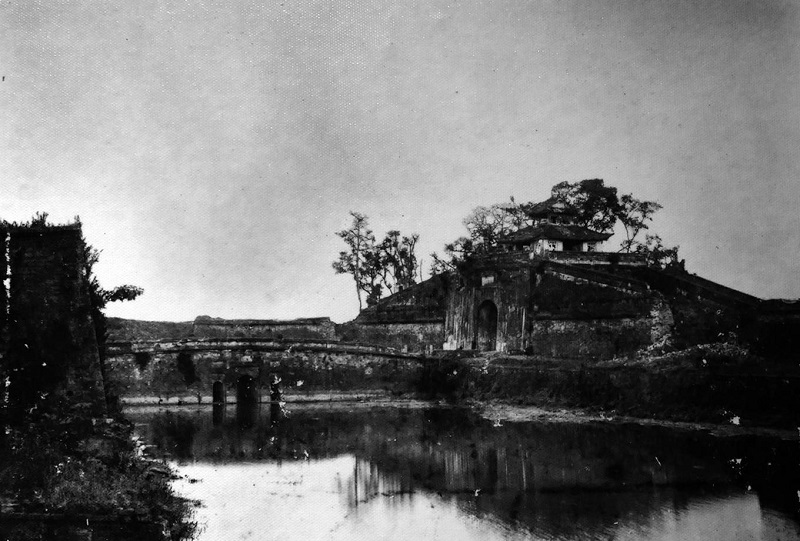
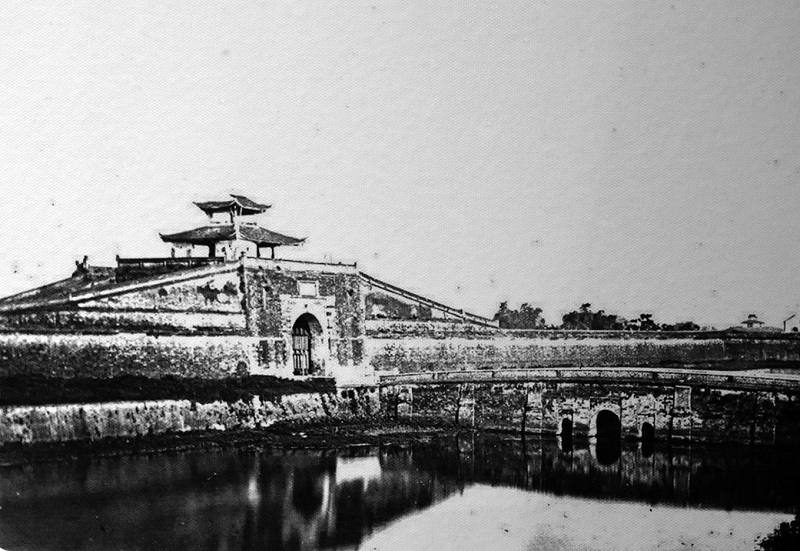
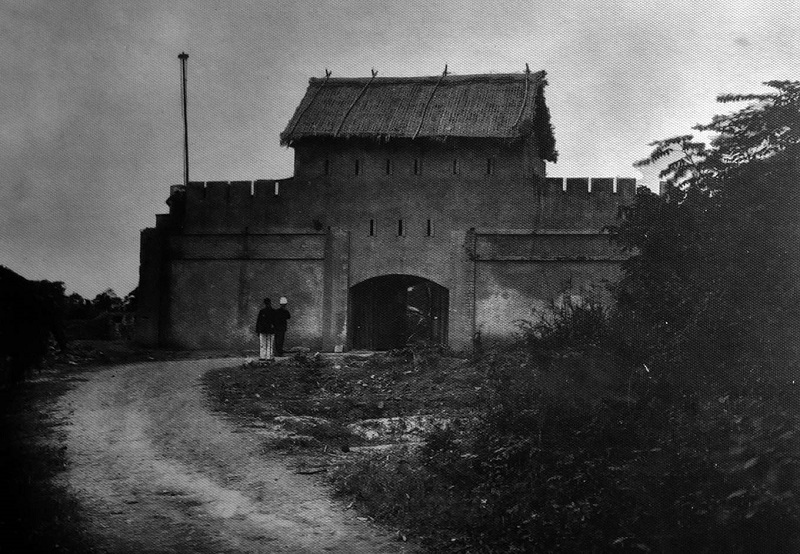
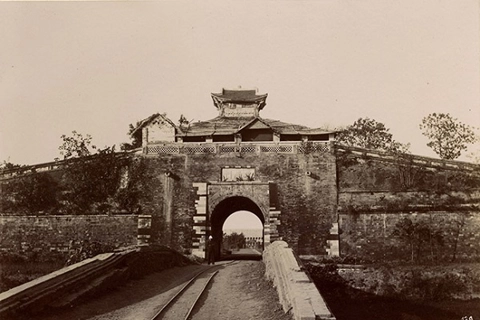
 Outside of the Northern Gate of Hanoi Citadel at the end of the 19th century. 

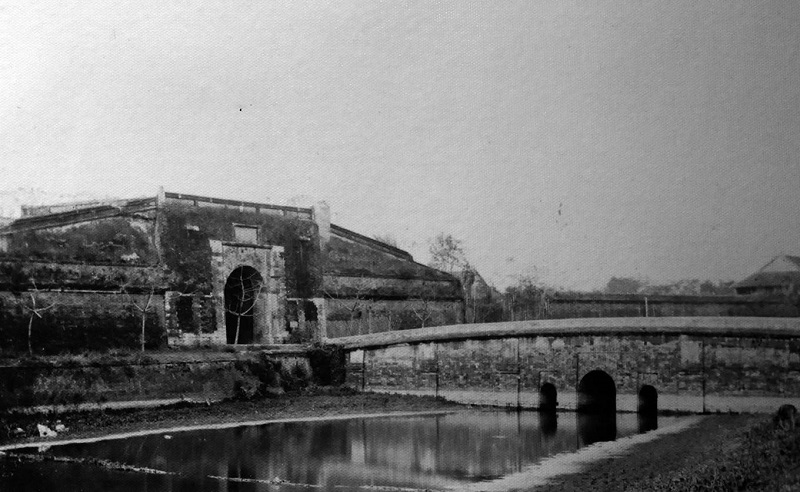
 The view from outside of the Eastern Gate of the citadel between 1889 and 1891.

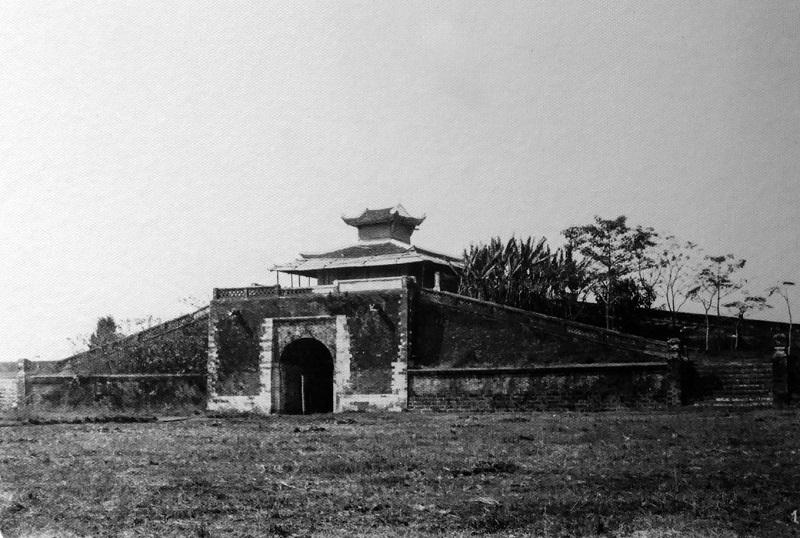
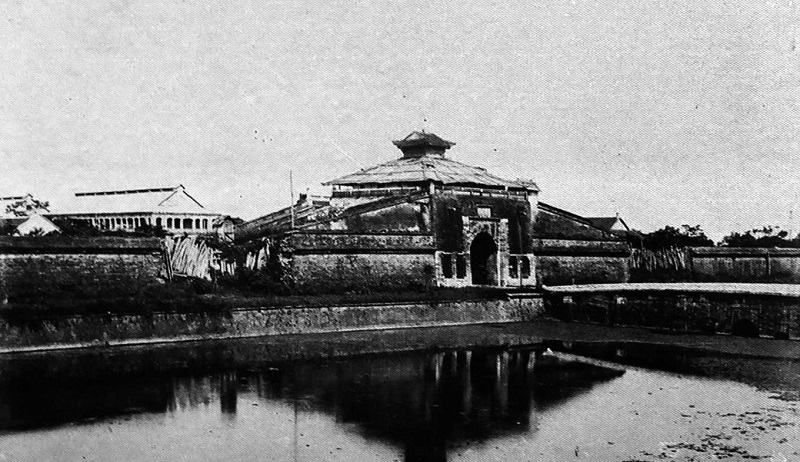
 The view of the Southeastern Gate in the period of 1888-1891. 

 The Western Gate in the year 1870. 

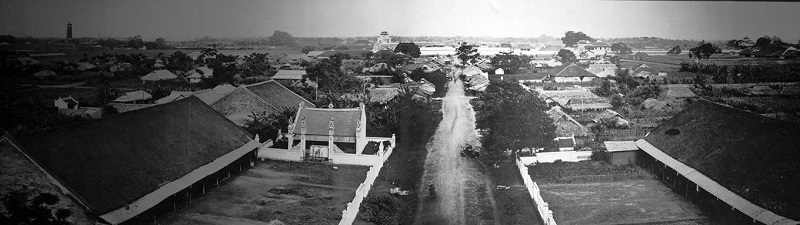
 Overview of Hanoi Citadel from the Eastern Gate in 1873. 

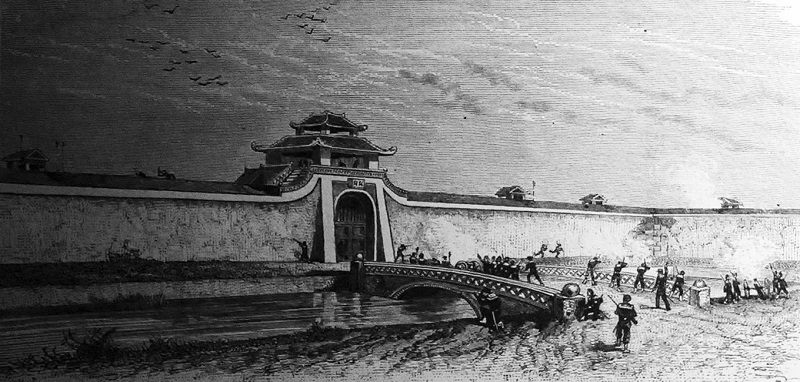
The French army attacked the Southeastern Gate of Hanoi Citadel on November 20, 1873. The citadel was under siege and raid by the French once again in 1882. In the years of 1883-1897, under the influence of the French rule, the architecture and function of the citadel had changed. Besides some old constructions, the French army also built more fortifications and barracks, making the citadel a military headquarters.

 Doan Mon or the Main Gate was reconstructed to be French colonialists’ residence. 

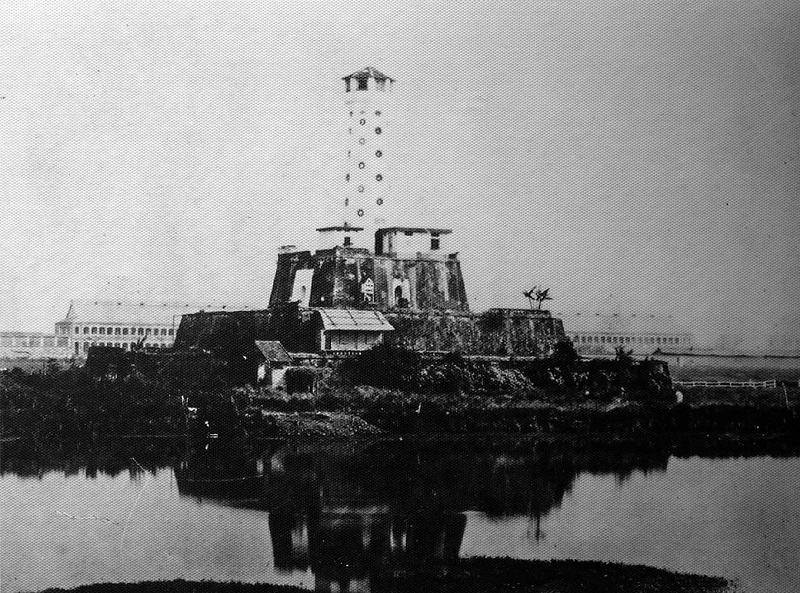
 Ky Dai or the Flag Tower became the watchtower of the French army at the end of the 19th century.  

 More fortification inside the citadel.

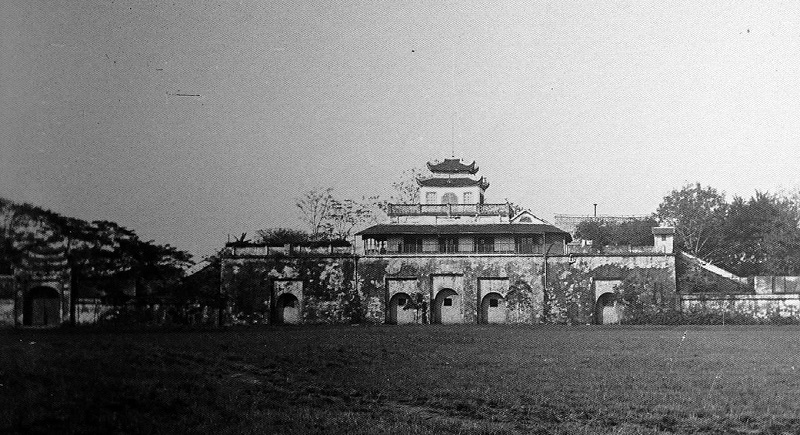
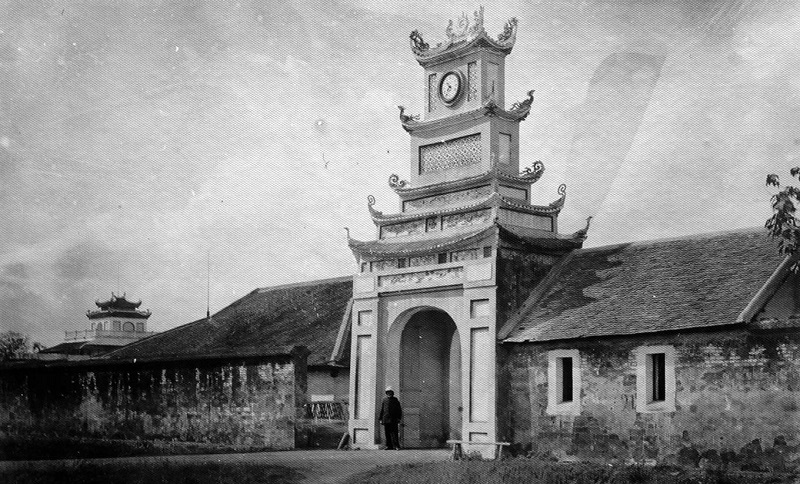
Chinh Duong tower, which was the eastern gate to Long Thien palace, became the entrance to the French army artillery headquarters from 1888 to 1891.

At the Eastern gate, large holes were dug in the wall in 1882; the infantry barracks in the back.

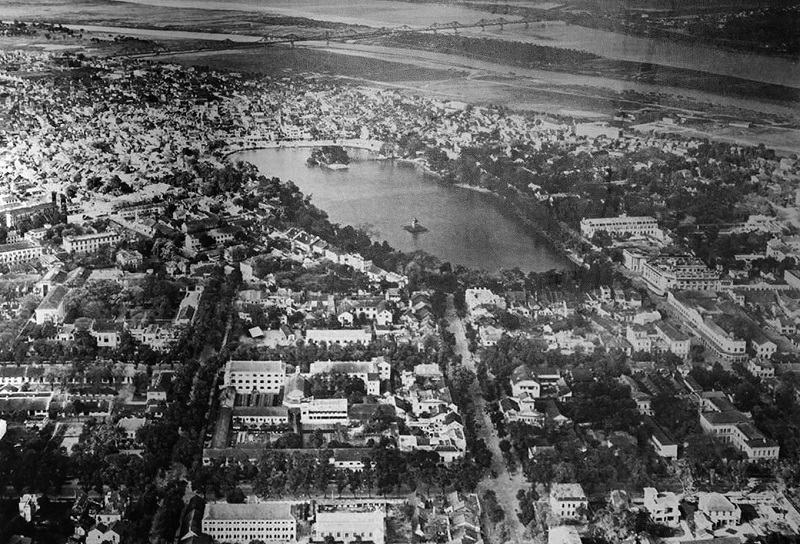
Hanoi from the aerial view at the beginning of the 20th century. In the early years of the 20th century, Hanoi was continuously planned and expanded to become the capital of the Union of Indochina.

The exhibition will last until the end of December. 

Documentary images/VnExpress

Reactions:
Share:
Trending
Most Viewed
Related news
Walking through Hanoi’s craft and culinary heritage

Walking through Hanoi’s craft and culinary heritage

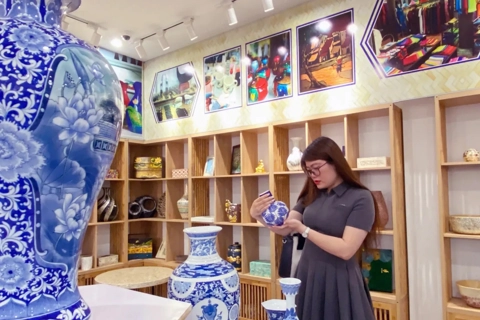
Hanoi’s heritage comes alive through flavors, craftsmanship and living traditions at the ongoing Hanoi Traditional Craft Village, Street Food and Tourism Festival in 2025.

Dong Ho folk paintings come alive on stage after UNESCO recognition

Dong Ho folk paintings come alive on stage after UNESCO recognition

A new student-led performance brings Dong Ho folk paintings from paper to stage, opening fresh dialogue on how young people can safeguard and renew heritage after UNESCO recognition.

Hanoi weekend stroll: Exploring cuisine and traditional craft villages along pedestrian street

Hanoi weekend stroll: Exploring cuisine and traditional craft villages along pedestrian street

The annual festival offers a convergence of culture, cuisine and creativity, transforming the West Lake’s lakeside promenade into a lively destination for residents and visitors alike.

Interactive heritage routes bring Hanoi’s ancient stories to life for global tourism

Interactive heritage routes bring Hanoi’s ancient stories to life for global tourism

Hanoi introduces four digital heritage itineraries using interactive maps and the H-Heritage app, offering travelers a rich cultural experience rooted in traditional beliefs and historic relics.

Kim Anh offers travelers a fresh eco escape just outside Hanoi

Kim Anh offers travelers a fresh eco escape just outside Hanoi

A forest-rich suburb is emerging as Hanoi’s newest eco-leisure escape, offering a refreshing blend of lush nature, living culture and slow-paced experiences.

“Girls Playing Drums”: The dance that defines Hanoi’s culture

“Girls Playing Drums”: The dance that defines Hanoi’s culture

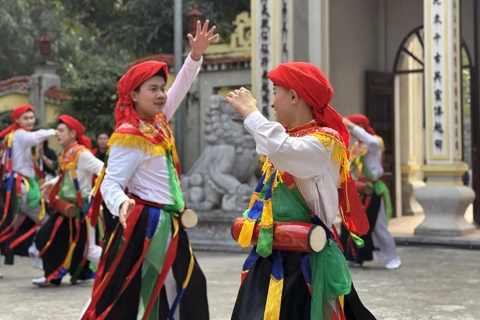
Each time it is performed, the Hanoi’s centuries-old art draws travelers into a world where history, beauty and community spirit intertwine.

Unlocking Thanh Liet’s potential on the Hanoi’s tourism map

Unlocking Thanh Liet’s potential on the Hanoi’s tourism map

Steeped in heritage but long overlooked, Thanh Liet Ward is entering a new era of discovery, ready to rise as Hanoi’s next unmissable cultural destination.

EU christmas market returns to Hanoi with culture, food, films and charity

EU christmas market returns to Hanoi with culture, food, films and charity

The EU Christmas Market 2025 will bring European cuisine, performances, family activities and charitable programs supporting disadvantaged children to Hanoi.