14TH NATIONAL CONGRESS OF THE COMMUNIST PARTY OF VIETNAM
Log in
Business

Panasonic to move appliance production from Thailand to Vietnam

The plant, located outside Hanoi, would be the company's largest manufacturing hub for refrigerators and washing machines in Southeast Asia.

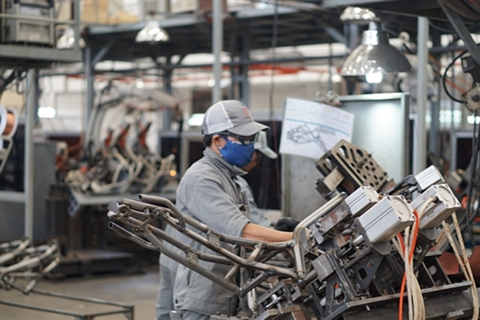
Panasonic will shut down a large appliance factory outside Bangkok as early as this fall and consolidate production to a larger facility in Vietnam for greater efficiency, Nikkei reported.

 Panasonic plans to move applicane production from Thailand to Vietnam in a cost-cutting effort. 

The Thai plant will stop producing washing machines in September and refrigerators in October. The building itself will be closed by March 2021, and a neighboring research and development centered will be shuttered as well.

With the move to Vietnam, Panasonic seeks to reduce costs through consolidating parts procurement.

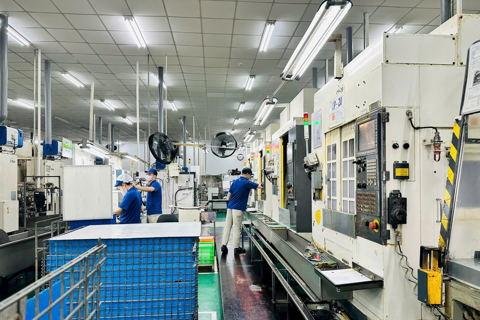
The Vietnam plant, located outside Hanoi, is the company's largest manufacturing hub for refrigerators and washing machines in Southeast Asia and has excess capacity, added Nikkei.

The move also reflects a new phase in Southeast Asia's manufacturing. Starting in the 1970s, Japanese electronics makers shifted domestic manufacturing to Singapore and Malaysia as the yen climbed rapidly after switching to a floating exchange rate, hurting Japan's price competitiveness.

Later, production shifted to countries like Thailand, as Singapore's wages grew to be too expensive. Now companies are looking for even cheaper locations, while also hoping to tap the massive potential demand for refrigerators, washing machines and microwaves in the largely populated countries of Southeast Asia, such as Indonesia, the Philippines and Vietnam.

Panasonic had been producing large household appliances in Thailand since 1979.

Panasonic currently employs about 8,000 people in Vietnam. In addition to large appliances, local units manufacture such products as TVs, cordless telephones, card payment terminals and industrial devices.

In recent years, multinationals like Samsung, LG Group, and a plethora of Japanese manufacturers have been moving factories from China and other countries to Vietnam.

VinaCapitla in its report stated the view that the Covid-19 pandemic will ultimately benefit Vietnam’s economic prospects by accelerating companies’ efforts to re-locate production to the country.

“FDI companies will be prompted to not only continue establishing new factories in Vietnam, but to also start imbuing local suppliers with much more technical and operational expertise in order to support the production of those multinationals in Vietnam,” stated VinaCapital.


Reactions:
Share:
Trending
Most Viewed
Related news
VPBank profit up 53% in 2025 on solid core banking performance

VPBank profit up 53% in 2025 on solid core banking performance

VPBank ended 2025 with a strong earnings rebound, supported by healthier core operations, better asset quality and solid subsidiary performance amid a more supportive credit environment.

Vietnam power system tops Southeast Asia

Vietnam power system tops Southeast Asia

The energy structure is shifting in a positive direction toward green and sustainable development.

Hanoi supermarkets step up Tet promotions to spur spending

Hanoi supermarkets step up Tet promotions to spur spending

Big promotions at supermarkets will be an attractive shopping experience for Hanoi residents during the country’s biggest and longest annual holiday.

Vietnam’s two-digit growth ambition demands higher productivity, decisive policy execution

Vietnam’s two-digit growth ambition demands higher productivity, decisive policy execution

As Vietnam targets two-digit GDP growth from 2026, economists caution that success will depend on higher productivity, stronger private sector confidence, consistent policy execution and sustained macroeconomic stability rather than speed alone.

Vietnam SMEs granted three-year income tax exemption

Vietnam SMEs granted three-year income tax exemption

The private sector is expected to grow by an average of 10% - 12% a year, faster than GDP growth.

Vietnamese goods dominate local stores, gain Tet shoppers' trust for quality

Vietnamese goods dominate local stores, gain Tet shoppers' trust for quality

As the 2026 Lunar New Year approaches, Vietnam’s domestic goods are firmly taking center stage, backed by ample supply, stable prices and growing consumer trust, reflecting years of sustained efforts to strengthen local production and retail systems.

Vietnam weighs shorter workweek as productivity and worker health collide

Vietnam weighs shorter workweek as productivity and worker health collide

A possible reduction in private-sector working hours as the Labor Code is under review, sparking debate among experts, unions, workers and businesses over how to balance occupational health and productivity with business competitiveness in the next stage of economic development.

Private sector and digital transformation at the core of 14th National Party Congress

Private sector and digital transformation at the core of 14th National Party Congress

The 14th National Congress of the Communist Party of Vietnam marks a decisive shift toward stronger private-sector empowerment and digital transformation, signaling fresh ambitions to remove growth barriers and position enterprises as central pillars of a self-reliant, sustainable economy.