Partnership promotes energy efficiency in commercial buildings in Vietnam
The project is designed to address barriers to improved energy efficiency performance and gradually realize the untapped potential of energy savings from buildings.
The local development and promotion of energy-efficient buildings in Vietnam, with the support of the UNDP’s Global Environmental Facility (GEF) to address energy-saving measures, has led to the achievement of direct greenhouse gas (GHG) mitigation of 73,035 tCO2.
| An overview of the conference. Photo: UNDP |
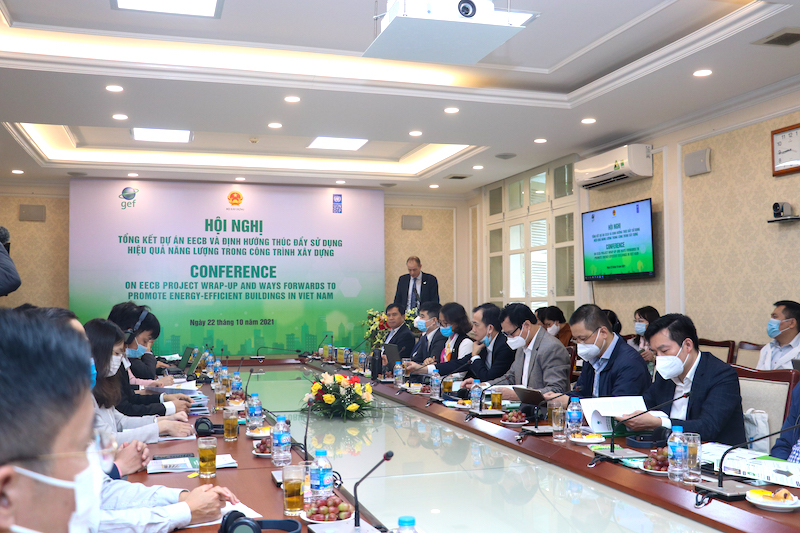
These were results of the project “Energy Efficiency Improvement in High-rise and Commercial Buildings in Vietnam” (EECB) released by the Ministry of Construction (MOC) and the United Nations Development Program (UNDP), both joint executors of the project, on October 22.
Addressing the event, Vice Minister of Construction Le Quang Hung said the project has meaningful impacts on the construction industry and contributes to the goal of reducing greenhouse gas emissions in Vietnam.
“Results and lessons from 75 energy-saving solutions will be shared and further promoted,” Hung emphasized.
Construction is an energy-intensive industry, accounting for about 35-40% of the total national energy consumption, mainly electricity. However, the industry has a great potential for energy efficiency. Energy use in buildings can be saved by 25% to 67%, which will help reduce building operating costs and CO2 emissions and bring about environmental benefits and improve the quality of life.
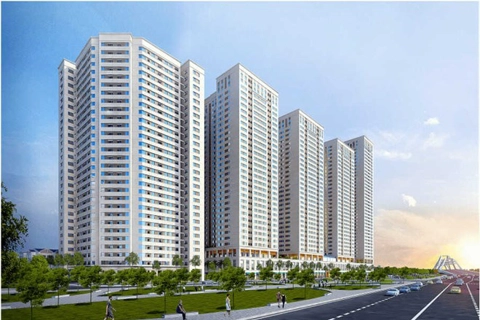
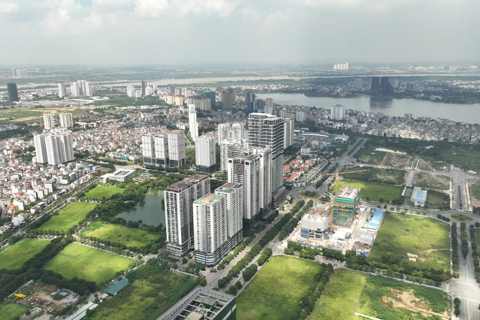
The EECB project aimed to reduce the intensity of greenhouse gas emissions from the building sector in the country by improving the energy utilization performance of commercial and high-rise residential buildings in Ho Chi Minh and Hanoi. It started in 2016 and ends this year.
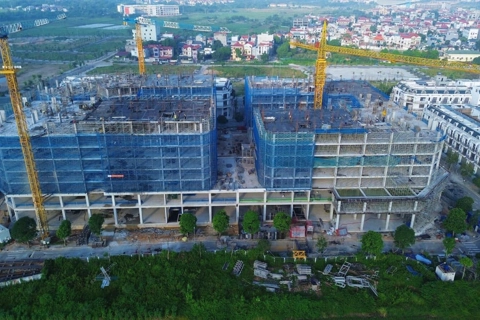
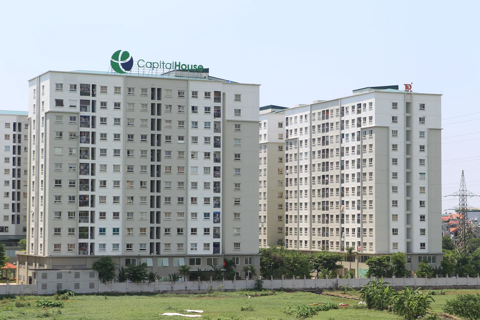
It also provided technical support to 23 new and existing buildings with a total of 75 solutions applied, resulting in a saving of 12,000 MWh (equivalent to 10,000 tCO2e reductions), or VND35 billion (USD).
This also proved the economic and technical feasibility of investment in energy efficiency solutions with an average incremental cost of less than 3% and a pay-back period of 3.5 years.
The project provided policy review and technical inputs to the inclusion of energy-efficient and green buildings provision into the Law on amendment and supplementation of many articles of Construction Law (June 2020) and a Decree guiding the management of construction investment projects (Decree No.15/2011), five technical standards on energy-efficient properties of building materials, six technical standards on the methodology of the establishment of Specific Energy Consumption Profiles, a technical cost norm related to energy efficiency consultancy service costs and a roadmap on development of energy-efficient buildings in Vietnam, two databases on energy-efficient equipment and materials.
At the event, Patrick Haverman, UNDP Deputy Resident Representative in Vietnam, highlighted some further actions that the government should consider to sustain the development of energy-efficient and green buildings.
These are the formal establishment of the building-specific energy consumption profiles, energy benchmarking, and energy-efficient building certification systems in Vietnam. Specific incentive schemes and innovative financing models are expected to be designed to encourage the higher demand and supply of EE buildings.
He added the private sector should be encouraged to set the expected energy performance of their buildings as a key feature. Such a move is strongly encouraged as Net Zero Energy or even Net Zero Carbon buildings must become the industry standard by 2050.
“Public awareness of the co-benefits in the form of health, environment, and reduced electricity bills should also be raised to generate increased demand for energy-efficient and green buildings,” he underlined.
Having commenced in 2016, the EECB project was designed to address barriers to improved energy efficiency performance and gradually realize the untapped potential of energy savings from buildings that directly contribute to greenhouse gas mitigation, as set in Resolution No. 24/NQ-TW on active response to climate change, improvement of natural resource management and environmental protection.
The project also contributes to the implementation of the Politburo Resolution 55 on Orientation of National Energy Development Strategy to 2030 with a vision to 2045, Vietnam’s Nationally Determined Contributions (NDC), and the Vietnam Energy Efficiency Programme for the 2021-30 period.