Policy shift right to help Vietnam push economic development: ADB
Hanoi's strong economic performance in the remainder of the year is critical to ensure Vietnam reaches its GDP growth target of 6.5% in 2023.
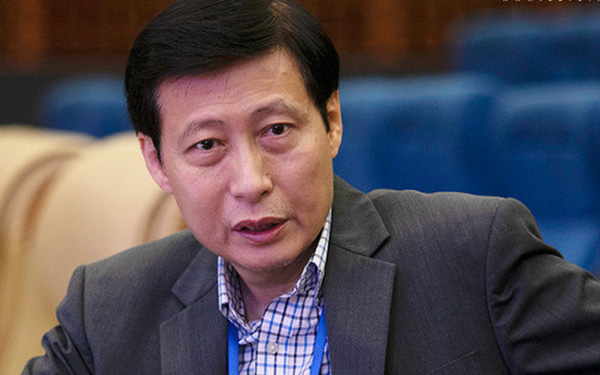
Nguyen Minh Cuong, the ADB senior country economist, spoke to The Hanoi Times about challenges and prospects for the Vietnamese economy during this turbulence.
| ADB’s Principal Country Economist Nguyen Minh Cuong. |
Could you elaborate on the challenges Vietnam faces in 2023?
Vietnam's economy faces both external and internal challenges. Those from the external fronts are becoming more apparent, with most forecasts for the global outlook at the end of 2022 pointing to a mild and short recession in 2023. The majority have indicated a higher risk of a hard landing for the global economy in the first quarter of 2023.
Meanwhile, internal challenges are also emerging as the economy struggles with structural weaknesses brought on by the Covid-19 pandemic. This has had a severe impact on the labor market, with shortcomings in the social welfare system and support mechanisms for workers becoming increasingly apparent.
In addition, issues hindering the capital market development have not been comprehensively addressed. As the economy relies heavily on bank credit, the banking system is coming under increasing pressure, which may pose risks to the economy in the future.
How should Vietnam address the headwinds?
Many countries are currently at a crossroads between fighting inflation and stimulating growth through demand. Despite interest rate hikes in Europe and the US, there seems to be a divergence in their policies, as evidenced by the fact that the FED recently raised its benchmark rate by 25 basis points while at the same time expanding its balance sheet.
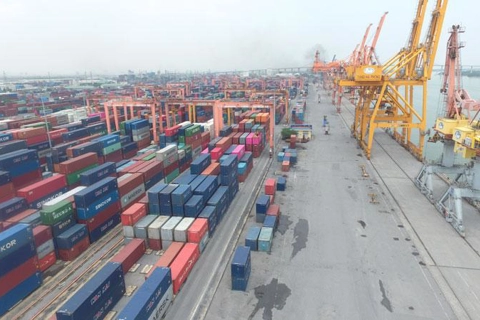
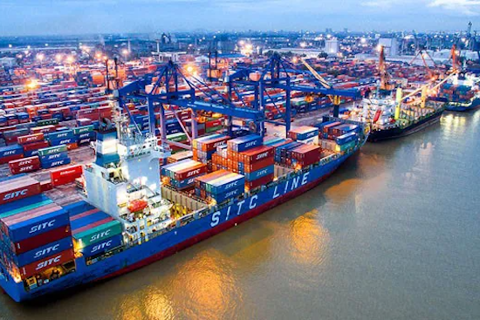
In this context, Vietnam is already making a policy shift towards monetary easing, which could be a driving force for growth for the remainder of the year. Moreover, while exports and imports have declined, Vietnam still has options to limit the negative impact on its trade performance.
I believe the ASEAN market remains an important opportunity for Vietnam to focus on. Meanwhile, the reopening of China can also boost the economy, especially in agricultural exports or tourism.
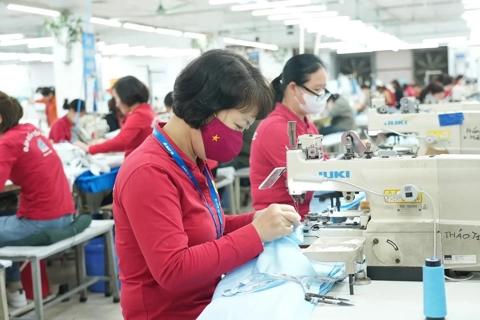
Key sectors such as agriculture, textiles, and garments face stiff competition from other countries such as India and Thailand, but Vietnam has a competitive advantage due to its access to markets through free trade agreements (FTAs).
Vietnam should also make greater efforts to move up the value chain and transition to higher value-added products while reorienting its markets to take advantage of trade opportunities. Vietnam has been at a standstill in this area for many years, and now is the time for action to be competitive with other economies, even in markets like China, India, and Thailand.
Another highlight is the services sector, which has shown positive growth relative to other sectors in the first quarter. If Vietnam can continue to support the recovery in tourism, this could further help overcome the headwinds.
| Tourists in Hoi An, Quang Nam. Photo: Cong Huy/The Hanoi Times |

What should be the strategic breakthroughs for Vietnam to realize the GDP growth target of 6.5% for 2023?
One of the areas where Vietnam should make strategic breakthroughs is in public investment. The government is making significant efforts to improve efficiency in this area. If Vietnam can successfully disburse all its allocated $30 billion in investment in 2023, it could add about one percentage point to GDP growth.
However, maintaining current procedures and processes would make it difficult to accelerate disbursement at this critical juncture, so a strong breakthrough is needed to meet the disbursement target. This, in turn, would help boost infrastructure development and revive construction activity, which has recently declined sharply.
In addition, Vietnam's shift towards monetary easing is a sensible step. Currently, the banks are weighing the trade-off between fighting inflation and safeguarding the system, focusing on the latter. But given Vietnam's subdued inflation risk and rising domestic pressures, this policy shift is reasonable for Vietnam.
Sluggish growth of 3.32% in the first quarter and an increasing number of companies exiting the market have prompted the State Bank of Vietnam to act.
I expect the government's timely policy support for growth would be a key element for Vietnam to maintain a high GDP growth rate of 6.5%.
In the medium and long term, Vietnam needs to continue channeling credit into key infrastructure development and logistics, promote labor productivity, and train skilled human resources to support short- and long-term growth.
Addressing climate change issues, such as reducing emissions, is also a priority for the country to move forward.
What suggestions do you have for Vietnam to lure high-quality FDI in the face of growing competition from neighboring nations for foreign capital inflows?
Vietnam has traditionally relied on tax reductions to attract foreign direct investment (FDI). Still, with the introduction of a 15% global minimum tax and heightened scrutiny of tax evasion, Vietnam needs to consider other means to attract FDI.
Foreign investors, especially for large-scale projects, are most interested in a host country's legal environment, and factors such as project implementation time and streamlined customs licensing procedures may be more attractive than tax cuts.
Making tax reductions less significant in attracting FDI will require the development of supportive institutions and policies, such as those pertaining to combating climate change and creating green supply networks.
Vietnam should think about refocusing its FDI strategy on the growth of small and medium-sized private businesses, which are presently missing in the nation despite the presence of 5 million micro and small business households, to stay competitive with emerging FDI attractors like India. To achieve this, it will be necessary to prioritize clean energy and direct FDI inflows toward high-value initiatives.
Hanoi and Ho Chi Minh City are major growth engines for Vietnam. What should the capital focus on to increase growth and contribute to the country's socioeconomic development objectives?
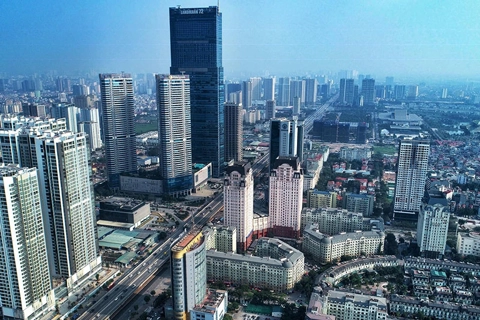
Hanoi and Ho Chi Minh City are two of Vietnam's main economic engines. However, greater efforts are needed to ensure that their respective development trajectories get back on track, as the two cities' economic performances in the first quarter of the year fell short of expectations.
Stimulating the recovery of property markets in major cities is a top priority for the government. A pick-up in construction activity would be an important factor in stimulating growth.
Additionally, while services and tourism have seen a mild recovery, there is a need to push for higher growth in these sectors. Together with public investment, these areas can serve as the foundation for growth in major cities and contribute to Vietnam's overall economic development,
Thank you for your time!
During a meeting between Chairman of the Hanoi People’s Committee Tran Sy Thanh and ADB Country Director to Vietnam Andrew Jeffries last November, both sides agreed on strengthening cooperation in urban infrastructure development. The city’s mayor urged the ADB to maintain its cooperation with Hanoi in carrying out the Ring Road No.4 project for the Hanoi capital zone, participating in revising the Capital Law, and assisting the city in issuing bonds to generate funds for socio-economic advancement. ADB Country Director Andrew Jeffries expressed his satisfaction with the bank's active involvement in partnering with the city's progress for the past three decades. He noted that the ADB supports Hanoi in executing the Nhon-Hanoi station and Hanoi station-Hoang Mai metro line projects. |