Product design – crucial for Hanoi’s craft villages
Hanoi is striving to give its traditional craft villages a greater role in the city’s economy and socio-culture with handicrafts being the most sought-after souvenirs for tourists.
Design has been identified as an important factor in boosting the competitiveness of craft village products amid efforts to develop this kind of handcraft in Hanoi.
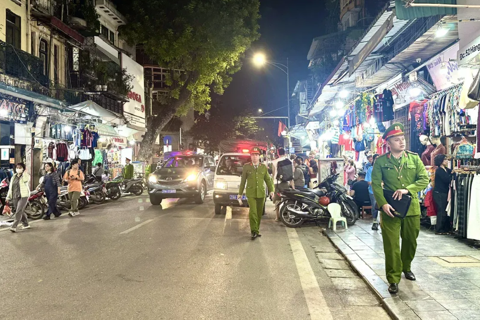
| Conference seeking ideas for Hanoi's handicrafts takes place on Nov 18. Photo: Tuoitrethudo |

The importance of design was raised at a conference held in Hanoi on November 18 with contributions from officials, experts, designers, businesses, and producers who agreed that design is crucial for improving the quality of craft supplies.
The issue takes on even more importance in the context that interest in craft villages tourism is growing, especially in Hanoi, a city listed among UNESCO’s Creative Cities Network.
Better operations of craft villages will contribute a significant part to making Hanoi the center of design and innovation in Southeast Asia, said experts at the conference held within the framework of the Hanoi Creative Design Festival 2022.
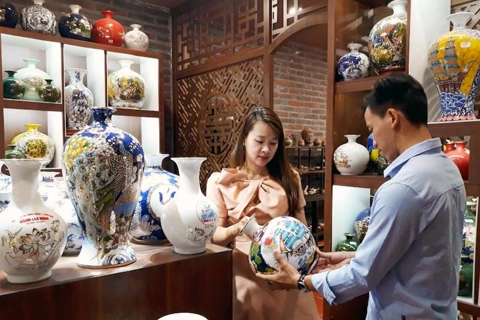
Nguyen Trung Thanh, Deputy Chairman of the Center of Vietnam’s Quintessential Handicraft, said Hanoi’s traditional handicrafts are diverse and rich in types and designs. In particular, there are special products that are only available in Hanoi, such as Bat Trang ceramics, gold-silver inlaid in Kieu Ky (Gia Lam district); Son Dong wood handicraft (Hoai Duc); Van Phuc silk (Ha Dong), bronze casting in Ngu Xa (Ba Dinh); Xuan La to he (sculptured figurines shaped from colored rice dough) (Phu Xuyen); Thuy Ung horn (Thuong Tin). The products are available in many places and get good responses thanks to good quality and art values.
He said it is necessary to continue maintaining product design contests for souvenirs and tourist gifts coupled with improving the quality of tourism products and boosting digital transformation in tourism, including craft villages.
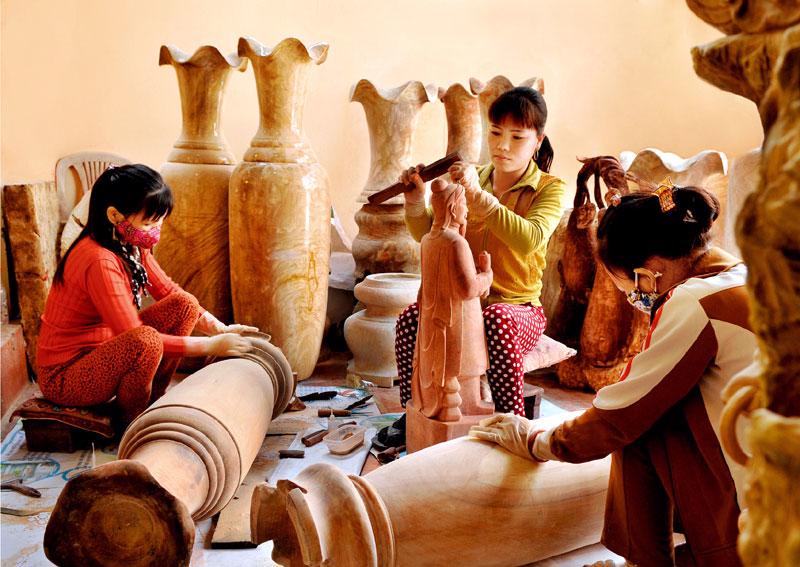
| Inside a woodwork facility in Dong Anh District, Hanoi. Photo: Doan Thanh/The Hanoi Times |
The experts said there should be standards applied for handicraft items that are not only beautiful but show the skill of craftsmen, usability, cultural significance, and diversity, and meet customers’ tastes.
Meanwhile, Associate Prof. Dang Mai Anh from the Hanoi University of Industrial Arts said it needs the government’s policies on planning and supporting the development of craft villages as well as on training to ensure the inheritance of handicrafts in traditional villages.
Hanoi’s traditional craft villages contribute to its economy and socio-culture. Each craft village is a representation of its own individual community, which helps to create distinctive cultural traits that are essential to Hanoi’s culture and tourism.
Hanoi has numerous planning and development policies to support the long-term goal, to ensure that artisan village souvenirs really reminisce tourists of Vietnam and Hanoi.
![[Longform]Hanoi seeks ways to develop sustainable craft villages](https://cdn-media.hanoitimes.vn/2022/08/16/Cover.jpg?w=480&h=320&q=100)