Log in
Business

Vietnam named most promising Asian investment destination in 2020 for Japanese firms

Vietnam's potential as a growing market, large supply of skilled and low-cost labor are key factors attractive to Japanese firms.

Vietnam has been regarded by Japanese firms as the most promising place in Asia to invest in 2020, with India and Southeast Asian countries dominating other top spots, a survey showed Wednesday.

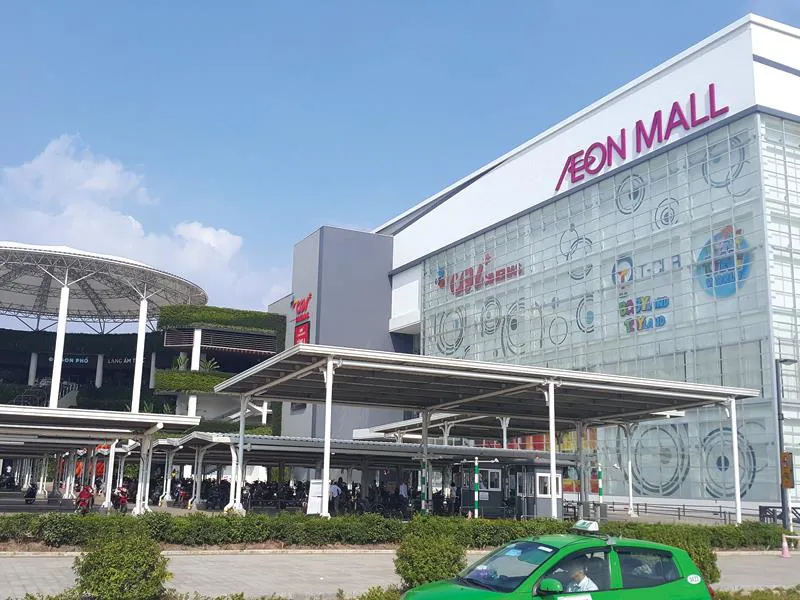
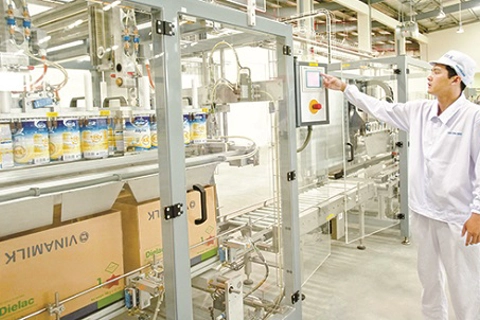
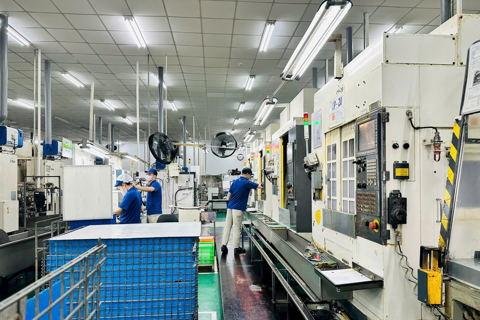
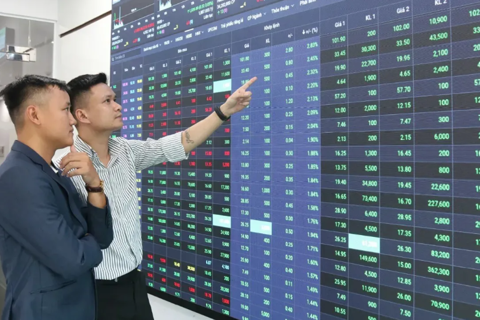
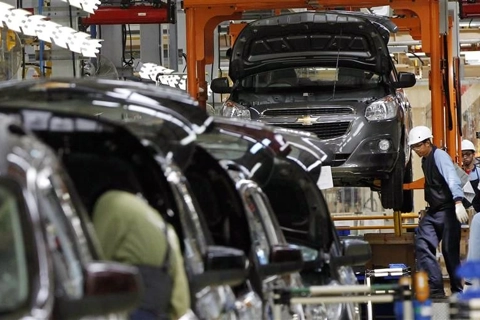
 Illustrative photo.


Other respondents of the survey, targeting expatriates working for Japanese firms in Asia, attributed their choice to the country's proximity to China.In the survey, conducted online from November to December 2019 by NNA Japan Co., a Kyodo News group company, Vietnam received 42.1% of the 820 valid responses, based on factors such as its potential as a growing market and large supply of skilled, low-cost labor.

India ranked second with 12.2% of the vote, with expectations for its growing market and its potential as a doorway to the Middle East and Africa among the reasons cited.

Myanmar jumped three spots from the previous year to the third place, while Indonesia took the fourthn spot.

China, which appears to have lost its appeal somewhat as an investment location due to concerns about its trade war with the US and rising labor costs, ranked fifth.

At the Vietnam M&A Forum 2019 held last August, Tamotsu Majima, senior director of Japan's leading M&A advisory service company RECOF Corporation, said that the number of transactions by Japanese enterprises in Vietnam had reached a record high number. In the past four years, there were about 20-25 transactions each year, but the figure hit 21 transaction alone last July.

Majima added Japanese companies were increasingly interested in Vietnam, especially in the fields of production and services, partly because the two economies are becoming closer. In recent years, more and more Vietnamese people travel to Japan and vice versa. Besides, Vietnamese people have also taken part in Japanese economic activities, while the Japanese are getting used to employing Vietnamese workers.

Masataka Sam Yoshida, RECOF's senior managing director, added the US – China trade war is one of the main reasons for Japanese investors to turn to Vietnam.

Besides, Vietnam’s high economic growth also attracts more Japanese enterprises to invest in the fields of consumption, goods and many other industries. Yoshida referred to some notable deals, such as Taisho Pharmaceutical with local DHG Pharmaceutical, Misui Corp buying stake at Minh Phu seafood, or Sumitomo looking for Gemadept’s shares, among others.

Yoshida expected the Japanese economy to slow down in the coming years, but this would not be the case with Japanese investments in Vietnam. Under fierce competition from countries such as South Korea, Thailand and Singapore, Japanese enterprises will continue to invest in the fields of consumer goods, health, real estate, construction, logistics, and finance in Vietnam.

Reactions:
Share:
Trending
Most Viewed
Related news
Hanoi advances hi-tech industry, with Hoa Lac as its key growth engine

Hanoi advances hi-tech industry, with Hoa Lac as its key growth engine

Hanoi is accelerating its shift toward a modern industrial model built on high technology and innovation, with Hoa Lac emerging as the core destination for investment and high-quality human resources.

Hanoi pushes SME–large enterprise linkages to drive sustainable supply chain growth

Hanoi pushes SME–large enterprise linkages to drive sustainable supply chain growth

Experts have said that the city can strengthen its competitiveness by deepening cooperation among the Government, large enterprises, and small businesses, especially through more effective supply-chain linkages.

Hanoi’s Hi-tech & Industrial Parks: achievements and outlook

Hanoi’s Hi-tech & Industrial Parks: achievements and outlook

Hanoi’s hi-tech and industrial parks are emerging as key drivers of the capital’s economic transformation, attracting high-value investment, advancing innovation and strengthening supply chains as the city sets its sights on becoming a leading regional technology and manufacturing hub.

Vietnam honors 50 transparent listed companies as stock market reaches new milestones

Vietnam honors 50 transparent listed companies as stock market reaches new milestones

Vietnam honored 50 listed companies for excellence in transparency at the 2025 Vietnam Listed Company Awards, which spotlighted standout annual reports, corporate governance and sustainability disclosures amid rising foreign investor interest and growing alignment with international reporting standards.

Vietnam to tighten biometric authentication for new bank cards next year

Vietnam to tighten biometric authentication for new bank cards next year

Bank card issuers must conduct a face-to-face meeting and match the biometric data of individual customers or the legal representative of organizational customers with their identity documents.

Make in Vietnam forum spotlights breakthroughs shaping digital future in the country

Make in Vietnam forum spotlights breakthroughs shaping digital future in the country

Vietnam will host the seventh National Forum on Vietnamese Digital Technology Enterprises on December 25 in Hanoi, highlighting policy directions, strategic technologies and progress under the “Make in Vietnam” initiative as the country pushes toward a stronger digital economy.

Hanoi and Moscow seek new economic momentum as partnership marks 75 years

Hanoi and Moscow seek new economic momentum as partnership marks 75 years

At the Moscow–Hanoi Business Forum, leaders from both capitals said 75 years of Vietnam–Russia ties provide a strong foundation to deepen economic and investment cooperation, especially in technology, trade and urban development.

Vietnam manufacturing maintains strong momentum despite storms disrupting supply chains

Vietnam manufacturing maintains strong momentum despite storms disrupting supply chains

Vietnam’s manufacturing sector continued to expand in November, marking the fifth straight month of improvement, even as severe storms caused supply-chain delays and slowed production, according to S&P Global.