Econ
IMF: Vietnam is still the leader of Southeast Asian economy
Along with Singapore, Thailand and Indonesia, the International Monetary Fund (IMF) said that Vietnam will continue to be the national growth impetus for the region.

According to IMF, the 2nd largest economy in the world - China will remain an important driving force for global growth forecast to 6.5% in 2016 and 6.2% in 2017, down from the 6.9% of 2015, the lowest figure in the last 25 years. The deceleration of economic growth in China will make trade and commodity prices in the Asian nation that affected prices downward.
Meanwhile, the Japanese economy has been halved growth to 0.5% -0.1% in 2016 and 2017 due to the increase in consumption tax as well as the issue of aging population and large public debt. According to the IMF, Japan's exports will be affected by the strong yen and the Chinese trade.
Viet Nam is one of the six emerging economies to achieve high economic growth rates which were forecast at 6.2% in 2016 and 6.3% in 2017. The Asian Development Bank (ADB) predicted that the Southeast Asian nation would maintain an economic growth rate at 6.7% in 2016 and 6.5% in 2017 thanks to increasing FDI attraction, recovered customer confidence index, and enforced FTAs towards creating a more transparent and open business environment.
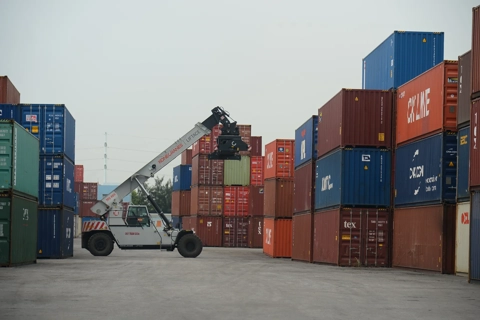
The WTO reported that Viet Nam attained the fastest export-import growth rates among 20 leading trade economies in the world. Amidst global trade gloominess, the Southeast Asian nation still gained an export growth rate of 7.9% to US$162 billion in 2015. The country’s import turnover expanded 12.3% to US$166 billion last year.
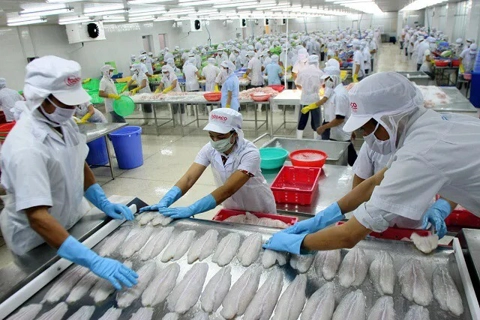
International organizations regarded Viet Nam’s export goal of 10% as “ambitious” but “within reach” if the nation seizes FTA opportunities and boosts key export commodities like electronics, leather, garments and textiles. A survey of 1,584 FDI enterprises showed that Viet Nam is one of the most attractive investment destinations in the Southeast Asian region.
As much as 11% of FDI enterprises reported that they expanded business operation and recruited 62% of new employees. These figures showed the highest growth pace over the last five years. FDI enterprises hailed Viet Nam’s business environment with reasonable tax and less asset risks. However, they still criticized high unofficial costs, cumbersome legal regulations, poor public administrative services, and limited infrastructure.
The IMF said that the information is quite consistent with the World Bank (WB) launched in April, 2016. Accordingly, the World Bank predicted that Vietnam and the Philippines will lead economic growth in 2016, with growth of over 6%.