Corruption threatens Sustainable Development Goals: UNDP
All government branches, civil society and business sector to join forces against corruption.
Infrastructure projects undermined by corruption have a negative impact on the trust of people in the public institutions while corruption in infrastructure projects can affect the quality of the end product, leading to people being deprived of essential services, according to Caitlin Wiesen, the United Nations Development Program (UNDP) Resident Representative in Vietnam.
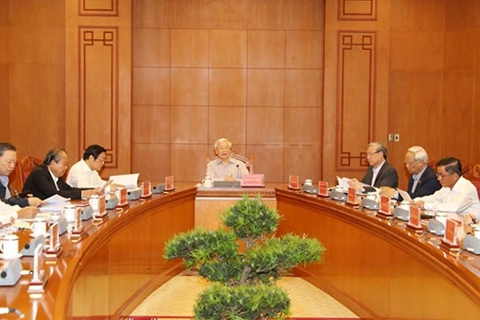
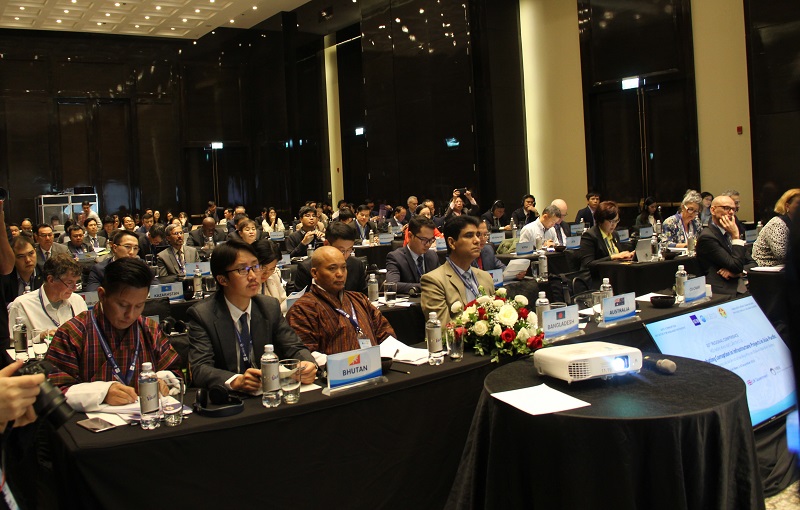
| All stakeholders join forces against corruption. Photo: Thanhtra |
She noted that a recent research from the Global Infrastructure Hub estimates that about US$97.5 trillion investment funds are needed to meet the 2030 SDGs, but investments are likely to fall short of this amount by as much as US$18 trillion.
In terms of mismanagement and inefficiency experience from the Construction Transparency Initiative shows that a further 10 – 30% could be lost. The International Monetary Fund corroborates this, specifying an efficiency gap of approximately 30% between the money that is spent and the coverage and quality of the resulting infrastructure.
This means that by 2030, unless measures are introduced that effectively improve this situation, a staggering US$6 trillion could be lost annually to corruption, mismanagement and inefficiency.
For that reason, UNDP has extended its efforts in combating corruption in the Asia-Pacific and in Vietnam in particular, greatly contributing to the implementation of Sustainable Development Goals (SDGs) by 2030.
UNDP has been cooperating since 2014 with the Regional Anti-Corruption Initiative, engaging more and more stakeholders, facilitating connections between anti-corruption agencies, ministries, civil society organizations, international organizations and business sector representatives across the region,
Taking part in this year’s focus on preventing corruption in infrastructure projects, UNDP understands that infrastructure development is a key driver of socio-economic growth, especially in a dynamic region like ASEAN, and fully aware that corruption and mismanagement risks are extremely high due to the complexity and the budget amounts involved, Caitlin Wiesen said at a conference held in Hanoi last week.
Anti-corruption put under the 2030 SDGs Agenda is an important enabling goal for the entire sustainable development agenda, requiring the engagement of a variety of stakeholders in anti-corruption efforts, promoting the inclusion of civil society and community monitors, as well as business representatives, Ms Wiesen said at the event with the attendance of Vietnamese Deputy Prime Minister Truong Hoa Binh, Government Inspector General of Vietnam Le Minh Khai, British Ambassador to Vietnam Gareth Ward, and representatives of the Organization for Economic Co-operation and Development (OECD) and the Asian Development Bank (ADB).