Discrimination towards persons with disabilities remains significant in Vietnam: UNDP
There remains unequal treatment towards persons with disabilities and more efforts are required to empower them at work and in the society.
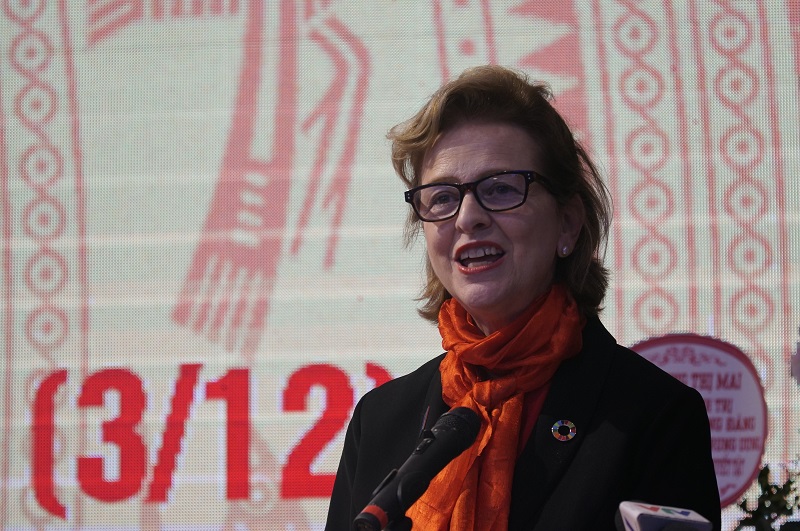
Persons with disabilities are still experiencing unequal treatment at workplace and other public places, according to the United Nations Development Program (UNDP)’s Resident Representative in Vietnam Caitlin Wiesen.
| The United Nations Development Program (UNDP)’s Resident Representative in Vietnam Caitlin Wiesen. Photo: UNDP |
Many are placed in institutions and do not receive adequate, quality care and support, Caitlin Wiesen said at a meeting to celebrate the International Day on Person with Disabilities and Proclamation of the Communist Party of Vietnam’s Directive on Enhancing the Party’s Leadership in Disability Work.
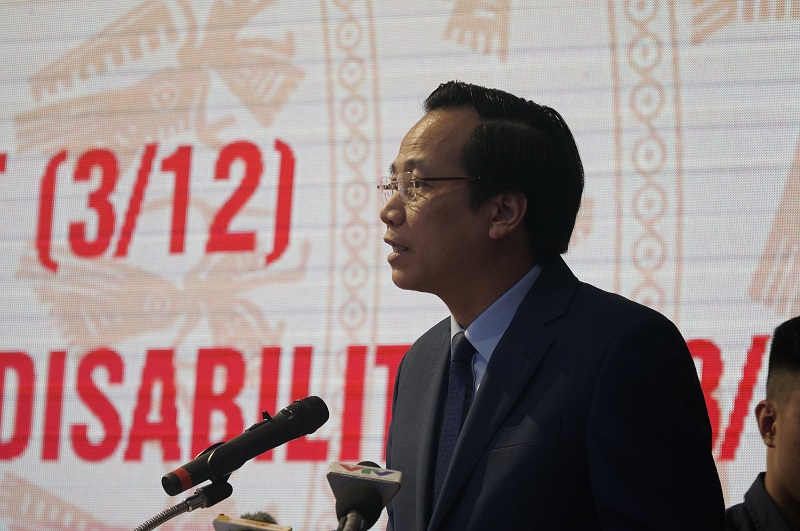
| Minister of Labor, Invalids and Social Affairs Dao Ngoc Dung. Photo: UNDP |
Of 700,000 children with disabilities aged between 2 and 17 in Vietnam (according to the 2019 National Survey on People with Disabilities), only one third of children with disabilities attend upper secondary education and only 2% receive rehabilitation services when getting sick or injured, Wiesen said at the celebration ceremony held in Hanoi on December 4.
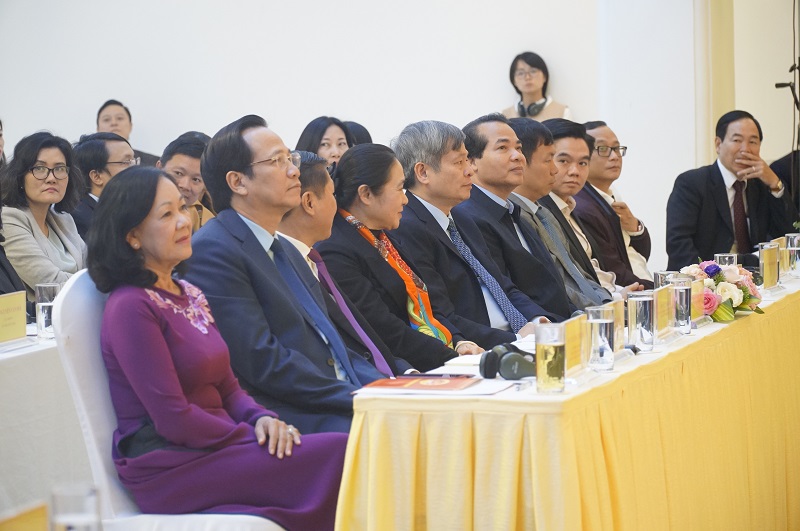
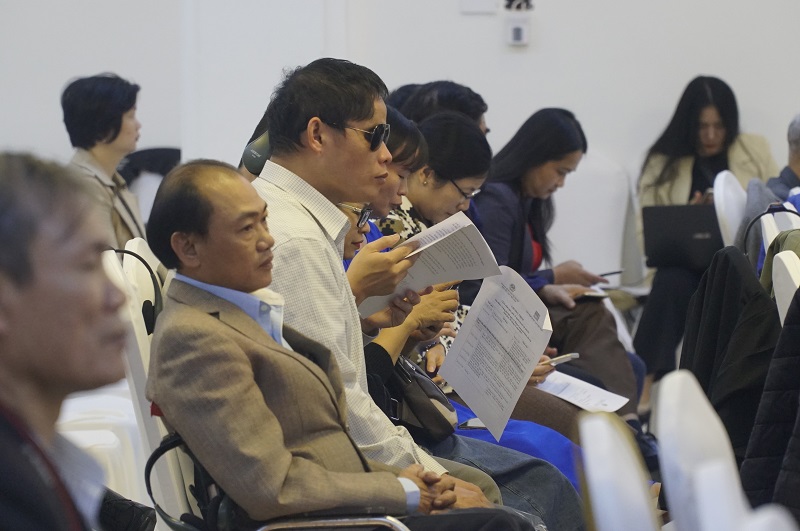
| Disability work draws attention of senior officials. Photo: UNDP |
Being recognized as a cross-cutting issue to be considered in the implementation of all 17 Sustainable Development Goals, the government and international organizations would work to ensure “none left behind”.
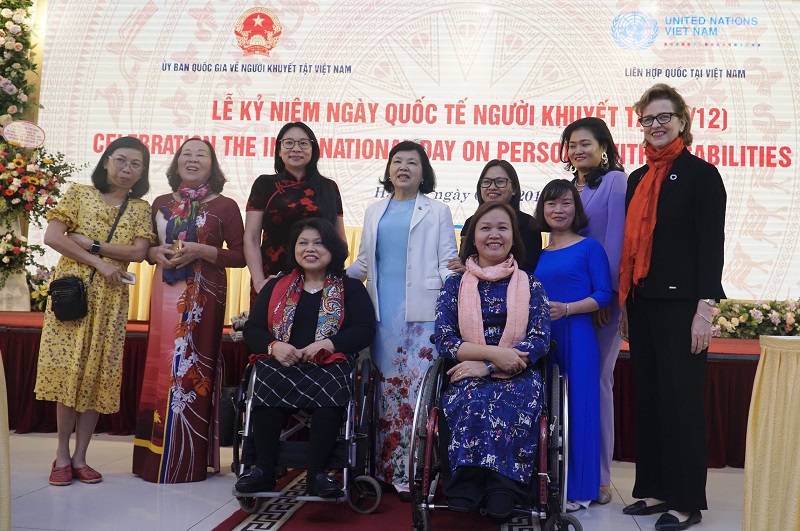
| UNDP contributes to promoting the rights of persons with disabilities. Photo: UNDP |
UNDP recommendations
To improve the situation, the UNDP has addressed several issues to promote the participation of persons with disabilities and their leadership as part of efforts to take action on the 2030 Development Agenda.
Persons with disabilities put in the heart of the State and Party’s endeavors. Photo: UNDP |
The issues aim to contribute to the acceleration of the implementation of the SDGs in Vietnam, including:
Firstly, persons and children with disabilities should be seen as agents of change, and their participation and leadership leads to addressing social norms and a more inclusive society.
Non-discrimination should be at the heart of this endeavor, to overcome misconceptions, stereotypes and stigma among the general population as well as among policy makers, health, education professionals and service providers.
It needs to develop a systematic mechanism for persons with disabilities and their organizations to participate in decision making processes, monitor and give feedback on policy implementation, including service delivery.
Secondly, it requires strong coordination across the sectors and between central and sub-national levels to develop comprehensive legal and policy framework as well as integrated services.
This approach has also been reflected and highlighted in the United Nations Disability Inclusion Strategy launched by the UN Secretary General last June to transform the way in which the UN works on disability.
Thirdly, the Party Directive should be implemented effectively to help guide the development of the Socio-Economic Development Strategy (SEDS), with active engagement of line ministries, agencies, and localities in addressing issues facing persons and children with disabilities, Ms. Wiesen emphasized.