Ending monopoly in fuel imports key to boost petroleum market competitiveness: Experts
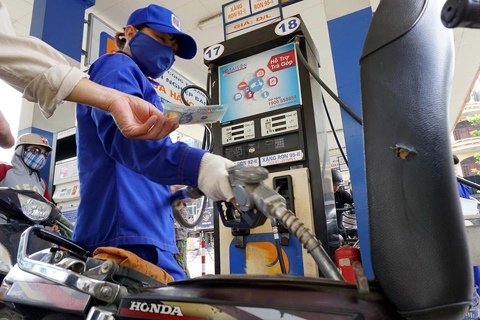
The participation of new players in the petroleum market would create benefits for businesses and customers.
Amid strong volatile fuel prices on the global and domestic fronts, economist Vu Vinh Phu told The Hanoi Times steps required to boost the competitiveness of the local fuel market, including an end to the current monopoly of fuel imports in long-term.
| Economist Vu Vinh Phu. Photo: Le Nam |

What is your view on the fact that fuel prices in Vietnam have been on the upward trend since the beginning of the year?
For the first six months of this year, petroleum prices sharply rose by 17% year-on-year, which is seen as a key factor leading to increasing consumer price index (CPI) for the period along with food prices. This came as the fact that fuel spending accounts for 20-30% of operational costs and has a direct impact on the cost of final products.
How would fuel prices impact economic sectors and people’s lives?
Vietnam is currently dependent on fuel imports, including crude oil. As a result, rising prices in the global market would lead to rising domestic retail prices, despite the fact that Vietnam is able to refine crude oil to meet 70-80% of domestic consumption.
The key issue in this context is that both the Ministry of Industry and Trade and the Ministry of Finance should be able to supervise the pricing policies of major petroleum distributors in the country.
What do you think about the concern that rising petroleum prices would lead to higher market prices for consumer goods?
It may be the case as higher petroleum prices are leading to higher production costs. The government, however, only controls the prices of essential goods such as transportation fares, electricity, water, and post services. The rest is for the market to decide.
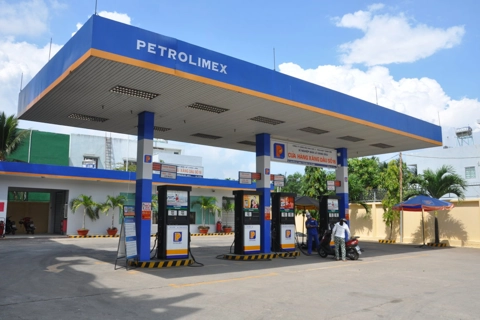
What is your viewpoint on the fact that Petrolimex is currently Vietnam’s largest petroleum distributor and accounts for over 48% of the market share?
There is no doubt that Petrolimex is dominating the domestic fuel market. To further improve market competitiveness towards transparency and fairness for both businesses and customers, the government should allow others to join the market.
At present, the foreign ownership limit in this field is set at 35%, however, those that want to join the market are required to take part in the oil refining process with their local peers.
I expect a change to this situation would come soon for us to have a more competitive petroleum market.
What steps should the authorities take to limit the impacts of petroleum prices on the CPI?
While petroleum distributors should be more transparent in their operations, the authorities may consider reducing fees and taxes imposed on petroleum prices, which is currently at a high level.
For example, last March, the retail price of E5 fuel was set at VND11,950 per liter, but fees and taxes made up 63% of the price, or VND7,550.
A decline of taxes and fees by 20-30% would then lead to a lower retail price of fuels. While this move may lead to lower state budget revenue, but a more competitive fuel price would help reduce prices of services and goods, in turn improving economic competitiveness in both the local and foreign markets.
Thank you for your time!