Business
European firms to support Vietnam to develop world-leading agriculture sector
Stronger relations between the Vietnamese and European business communities are vital to unlock the full potential of the EU – Vietnam Free Trade Agreement, helping Vietnam join the 15 most advanced countries in agriculture by 2030.
European enterprises would help Vietnam develop a world-leading agriculture sector with safe, certified and traceable produce, according to Nicolas Audier, chairman of the European Chamber of Commerce in Vietnam (EuroCham).
“Stronger relationships between the Vietnamese and European business communities are vital to unlock the full potential of the EVFTA,” said Audier at the Vietnam – EU Forum discussing the future of farming in Vietnam held on September 19.
Vietnam’s agricultural sector will be one of the biggest winners from the EVFTA as reductions in tariffs stimulate demand and boosts exports to Europe’s large and high-spending consumer market, Audier added.
Deputy Minister of Agricultural and Rural Development Le Quoc Doanh said Vietnamese agricultural products are available in 185 countries and territories, including demanding markets such as the US, Japan, EU and South Korea, among others.
As of present, Vietnam ranks second in Southeast Asia and 15th globally in terms of agricultural exports, contributing significantly to socio-economic development and being a major foreign currency earner of Vietnam.
Vietnam’s export growth of agricultural products averaged 9% per year over the last 10 years, reaching a record high of US$40.02 billion in export turnover in 2018.
Notably, the agricultural sector posted a growth rate of 2.66% annually in the 2018 – 2017 period, and a 7-year high of 3.76% in 2018.
Despite positive figures, Doanh said the number of enterprises operating in the agricultural sector remains modest, as only 8% of total Vietnam’s enterprises investing in this sector.
Moreover, the productivity of the sector is low, mainly due to the lack of application of science and technologies in the production process, while only a handful of Vietnamese enterprises participate in the production value chain, Doanh added.
Doanh expected the EVFTA would help Vietnam’s agricultural sector make a significant transformation and join the 15 most advanced countries in agriculture by 2030.
Sharing Doanh’s view point, Ambassador of the Netherlands to Vietnam Elsbeth Akkerman said that under the EVFTA, nearly all tariffs on goods traded between the two markets will be removed in 7-10 years, opening a great opportunity for Vietnam to export goods to the EU market as well as to access and import production inputs and equipment of high quality at rather stable price.
“It is interesting to see that structure of goods for exports by Vietnam and the EU are more complementary to each other rather than competing,” Akkerman added.
Challenges come with opportunities
Akkerman warned Vietnam should be aware of the strict requirements on quality, safety and regulations compliance of the EU market.
To take advantage of tariffs treatment in this FTA, products have to meet at least requirements of origin, among others, like quality, safety for clients’ selection, Akkerman continued.
“Pressure to upgrade production system, to develop value chain to attract more investment in sustainable agriculture for high quality and competitive products and in the meantime to reduce pressure on environment and biodiversity are getting more visible than ever,” she stressed.
The challenge, on the other hand, would present opportunities for Vietnam, as Minister Counsellor of the EU Delegation to Vietnam Carsten Schittek pointed out, that “higher income is likely to be reached by further investing into sustainability of production.”
Schittek stated Vietnamese products are not yet identified by the EU consumer; there is no branding to promote them (e.g. case of pangasius), so with growing exports, more brand building will be possible for Vietnam.
Brian Hull, country managing director of ABB in Vietnam, said Vietnamese agricultural products are still facing many limitations, especially in terms of technology, to satisfy strict international standards and reach the productivity levels, which results in underachievement of the sector.
“Vietnam's agriculture and food industry in particular are under dramatic transformation and constant pressure to adapt and evolve to meet growing diversity, especially that of highly demanding markets such as Europe,” Hull asserted.
“This drives the requirements for improved hygiene and quality and variety, all whilst maintaining a commitment to safety, traceability and sustainable use of natural resources.”
“We are committed to a sustainable agri-food future, walking hand in hand with Vietnamese food manufacturers to help them improve product quality, enhance food safety and more efficiently use their production assets, through our industry-leading digital solutions,” Hull stated.
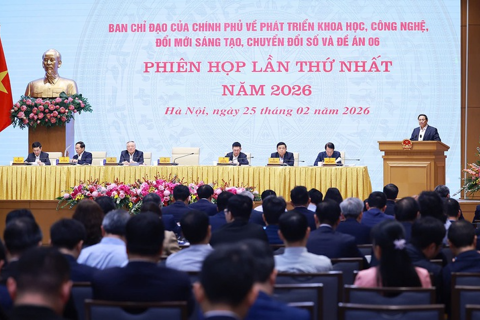
Overview of the forum. Source: Ngoc Thuy.
|
Vietnam’s agricultural sector will be one of the biggest winners from the EVFTA as reductions in tariffs stimulate demand and boosts exports to Europe’s large and high-spending consumer market, Audier added.
Deputy Minister of Agricultural and Rural Development Le Quoc Doanh said Vietnamese agricultural products are available in 185 countries and territories, including demanding markets such as the US, Japan, EU and South Korea, among others.
As of present, Vietnam ranks second in Southeast Asia and 15th globally in terms of agricultural exports, contributing significantly to socio-economic development and being a major foreign currency earner of Vietnam.
Vietnam’s export growth of agricultural products averaged 9% per year over the last 10 years, reaching a record high of US$40.02 billion in export turnover in 2018.
Notably, the agricultural sector posted a growth rate of 2.66% annually in the 2018 – 2017 period, and a 7-year high of 3.76% in 2018.
Despite positive figures, Doanh said the number of enterprises operating in the agricultural sector remains modest, as only 8% of total Vietnam’s enterprises investing in this sector.
Moreover, the productivity of the sector is low, mainly due to the lack of application of science and technologies in the production process, while only a handful of Vietnamese enterprises participate in the production value chain, Doanh added.
Doanh expected the EVFTA would help Vietnam’s agricultural sector make a significant transformation and join the 15 most advanced countries in agriculture by 2030.
Sharing Doanh’s view point, Ambassador of the Netherlands to Vietnam Elsbeth Akkerman said that under the EVFTA, nearly all tariffs on goods traded between the two markets will be removed in 7-10 years, opening a great opportunity for Vietnam to export goods to the EU market as well as to access and import production inputs and equipment of high quality at rather stable price.
“It is interesting to see that structure of goods for exports by Vietnam and the EU are more complementary to each other rather than competing,” Akkerman added.
Challenges come with opportunities
Akkerman warned Vietnam should be aware of the strict requirements on quality, safety and regulations compliance of the EU market.
To take advantage of tariffs treatment in this FTA, products have to meet at least requirements of origin, among others, like quality, safety for clients’ selection, Akkerman continued.
“Pressure to upgrade production system, to develop value chain to attract more investment in sustainable agriculture for high quality and competitive products and in the meantime to reduce pressure on environment and biodiversity are getting more visible than ever,” she stressed.
The challenge, on the other hand, would present opportunities for Vietnam, as Minister Counsellor of the EU Delegation to Vietnam Carsten Schittek pointed out, that “higher income is likely to be reached by further investing into sustainability of production.”
Schittek stated Vietnamese products are not yet identified by the EU consumer; there is no branding to promote them (e.g. case of pangasius), so with growing exports, more brand building will be possible for Vietnam.
Brian Hull, country managing director of ABB in Vietnam, said Vietnamese agricultural products are still facing many limitations, especially in terms of technology, to satisfy strict international standards and reach the productivity levels, which results in underachievement of the sector.
“Vietnam's agriculture and food industry in particular are under dramatic transformation and constant pressure to adapt and evolve to meet growing diversity, especially that of highly demanding markets such as Europe,” Hull asserted.
“This drives the requirements for improved hygiene and quality and variety, all whilst maintaining a commitment to safety, traceability and sustainable use of natural resources.”
“We are committed to a sustainable agri-food future, walking hand in hand with Vietnamese food manufacturers to help them improve product quality, enhance food safety and more efficiently use their production assets, through our industry-leading digital solutions,” Hull stated.