Filipino Scholar: Vietnam tourism has both smiles and culture
From the bustling streets of Hanoi and Ho Chi Minh City to the tranquil beauty of Halong Bay and the cultural appeal of Hoi An, Vietnam offers a tapestry of experiences for international travelers.
Danton Remoto, a Filipino editor, columnist and professor, recently published an article in the Manila Times, in which he analyzes the factors that make Vietnam’s tourism industry change radically after 10 years.
The spectacular changes of Hanoi
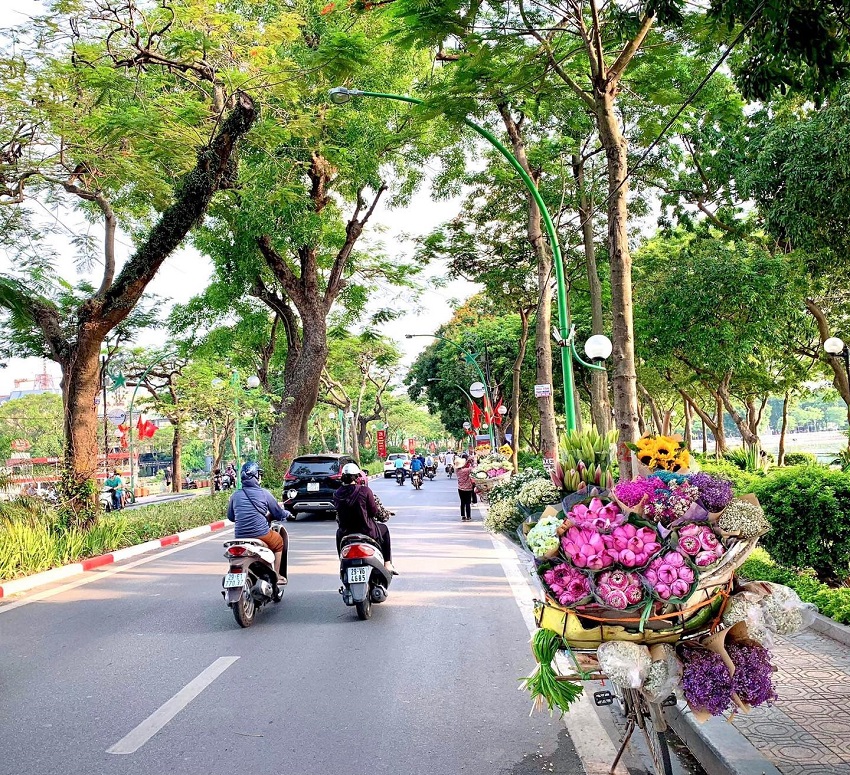
| A lush green street in Hanoi. Photo: Ha Noi Fan |
Danton first came to Vietnam in 2007 as an English professor attending an international conference on education.
Vietnam's two largest cities, Ho Chi Minh City and Hanoi, were still backwaters then, but people could already see glimmers of promise, the academic said.
Ten years later, in 2018, when he returned to Hanoi for the second time, the city's dramatic transformation came as a great surprise to Danton.
"The scenery from the airport to the hotel was similar to that of ten years earlier: wide rice paddies, banana trees wilting in the heat, an endless skyline," he wrote.
But upon arriving in Hanoi, Danton could hardly recognize the city: “The old and beautiful shophouses were still there, but now roads and flyovers were being built,” he added.
As for the people, he also noticed an interesting change in Hanoi. Agile and dynamic young people, who were afraid to speak a foreign language 10 years ago, have embarked on a large-scale program to learn English.
| Hanoi's harmonious old and new beauty. Photo: Ha Noi Fan |
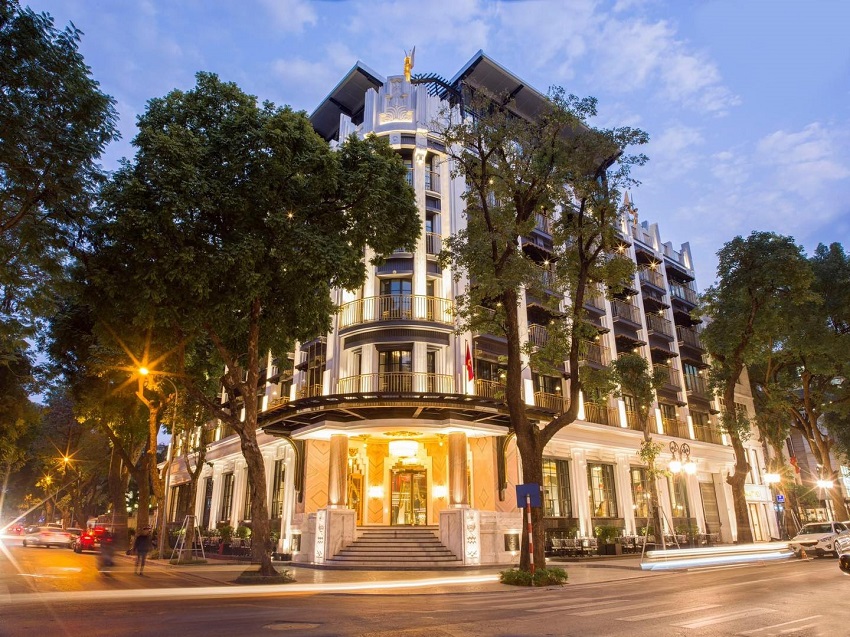
While working in a cafeteria near his hotel, Danton noticed that the Wi-Fi there functioned very well. Especially, knowing that the client was a Filipino who taught English, the baristas stayed a little longer at the table and talked to him in English.
They told Danton that they study from 8am to 3pm, go home to rest and change their clothes, then work as baristas from 4 to 10pm.
These students chose to work in coffee shops frequented by tourists, not only because these places paid better, but also because they could practice their English with the tourists.
“Hanoi’s restaurants, hotels, shopping malls, and coffee shops have sprouted, and the museums and art galleries are up to par with the best in Southeast Asia,” he went on.
According to Danton, these are some of the reasons why “Vietnam has risen as a tourism powerhouse, outpacing the Philippines”.
Reasons why Vietnam's tourism surpasses that of the Philippines
The Filipino columnist and professor went on to analyze the reasons for Vietnam's remarkable turnaround in the tourism industry.
“One is its political stability and effective governance. Vietnamese Government has implemented long-term policies that prioritize tourism development, leading to consistent and sustainable growth. Their low-budget airlines aren't greedy, their hotels aren't expensive, Wi-Fi works, cleanliness reigns everywhere,” Danton said.
| Uncle Ho’s Mausoleum, a tourist attraction in Hanoi. Photo: Cao Anh Tuan |
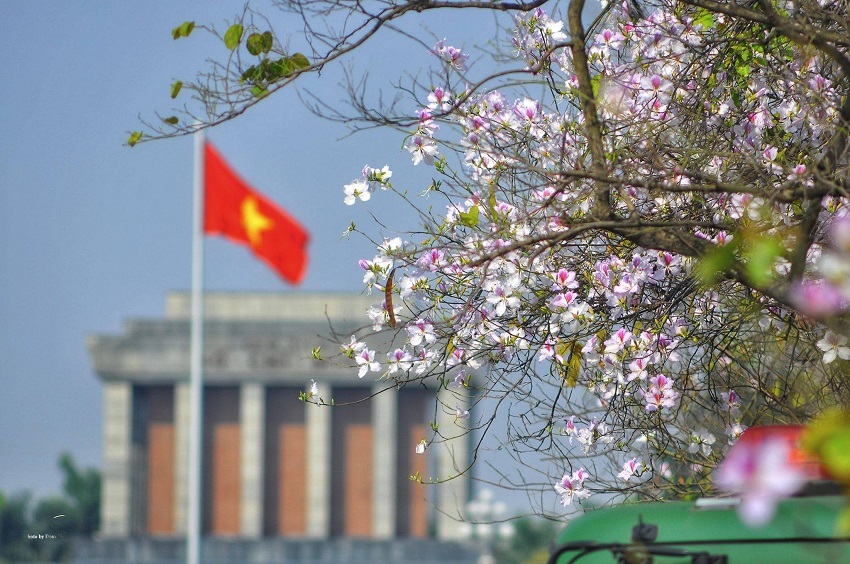
He also noticed that Vietnam has excelled in marketing itself as a diverse and captivating destination.
“The country has successfully crafted a strong brand image, emphasizing its stunning natural landscapes, rich history and unique cultural experiences. Vietnam's proactive marketing campaigns, coupled with effective use of social media, have amplified its presence in the global tourism market,” he stressed.
Vietnam also has successfully diversified its tourist offerings, catering to a wide range of interests and preferences. From the bustling streets of Hanoi and Ho Chi Minh City to the calm beauty of Halong Bay and the cultural allure of Hoi An, Vietnam offers a tapestry of experiences.
Furthermore, the country has capitalized on adventure tourism, ecotourism and culinary tourism, providing visitors with unique and immersive experiences.
| The bustling of Hanoi's Old Quarter. Photo: Ha Noi Fan |
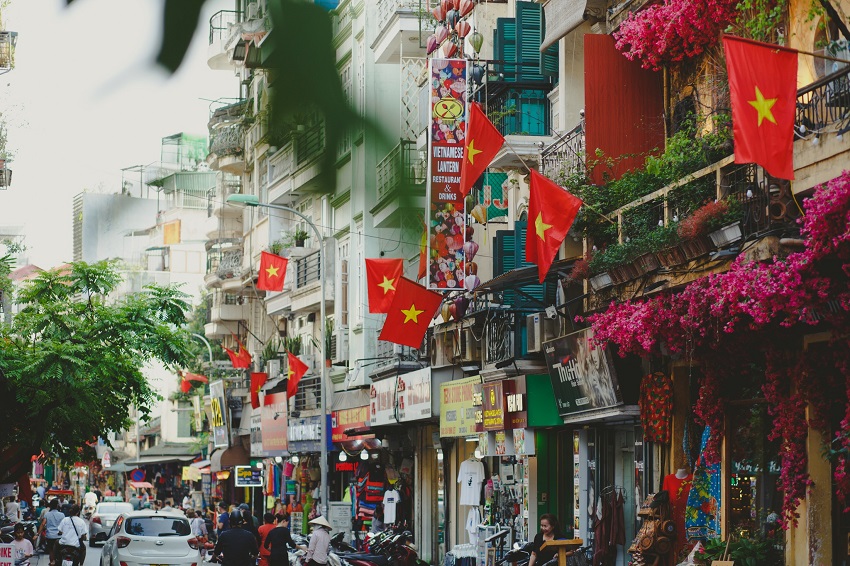
Meanwhile, the Philippines possesses stunning natural landscapes, but it has yet to leverage its potential and diversify its offerings beyond sun, sea and sand, or beach tourism, according to Danton.
Vietnam has also enhanced its position in the tourism industry by improving service quality, hospitality and safety standards. The country has fostered a culture of hospitality, training its workforce to deliver exceptional service. It has also put in place security measures to make tourists feel safe during their stay.
In contrast, the Philippines has struggled with consistency in service quality and safety standards, which has affected the overall visitor experience.
“And Vietnam has proven that they also have smiles and culture, as well as infrastructures that ensure a safe and happy experience for visitors,” the scholar went to the conclusion.