German investors choose Vietnam for their supply chain
The pandemic has revealed the limitations of the current global supply chains.
Vietnam will stay attractive for foreign investors including those from Germany in their pursuit of diversifying supply chains, said Florian Feyerabend, Resident Representative of Konrad-Adenauer-Stiftung (KAS).
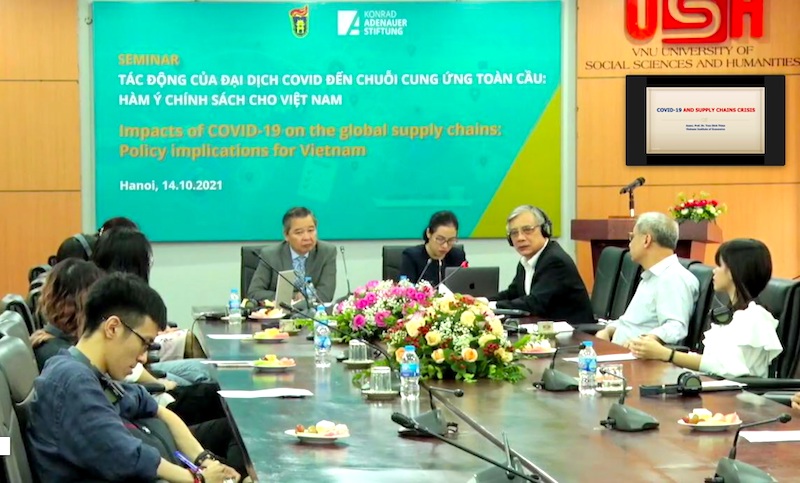
Speaking at the webinar themed “Impacts of Covid-19 on the global supply chains and policy implication in Vietnam” held on October 14, he said Vietnam is the biggest ASEAN trading partner of Germany and the top choice for investing in the region.
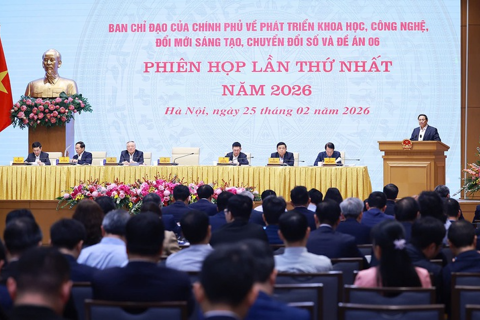
| An overview of the seminar on October 14. HNT Photo |
Florian Feyerabe said once the social distancing measures have been eased and the vaccination campaign across the country is being accelerated, new normality would start and the economic engine will be switched on.
Delegates at the event recognized that Covid-19 has been affecting the global supply chains due to the interdependence of production and distribution. Most businesses in the world including in Vietnam have been experiencing significant supply chain disruptions.
Tran Dinh Thien, former Director of Vietnam Institute of Economics under the Vietnam Academy of Social Sciences (VASS) said the pandemic has revealed the limitations of the current global supply chains.
“The dependence of the global economy on one point, one stage, one locality made it more vulnerable than ever,” he said.
The implementation of social distancing measures in recent months has led to the stagnation of freight operations as well as supply chain disruptions, a surge in costs, and lots of financial issues for businesses, according to a representative from a transport company.
Commenting on challenges facing the reopening of the global economy, Prof. Heribert Dieter from German Institute for International and Security Affairs said the main obstacle to the recovery of the supply chain is transportation cost. The cost of shipping containers from East Asia to Europe has increased by nearly ten times. This will lead to the shift of the supply chain to ensure competitive transportation costs.
He added the diversification of the supply chain will benefit some economies like Vietnam or India. However, negative effects on the supply chain still persist, leading to transport costs hardly returning to pre-pandemic levels by 2024.
Nguyen Anh Tuan, Deputy Director of the Institute of Diplomatic Strategy under the Diplomatic Academy of Vietnam, suggested the anti-pandemic measures need to be associated with socio-economic stability because the disease is not just a crisis of the healthcare sector but it is related to the social security of people and businesses.
“The Covid-19 prevention strategy should be accompanied by a unified plan for logistics, which is prepared carefully before adopting the social distancing orders and must not be deployed abruptly.
Many delegates at the seminar also gave recommendations about the new approach and thinking on supply chain issues, building plans and scenarios for development as the disease situation is improving as well as the rapid and comprehensive implementation of measures to support post-pandemic recovery.