Global uncertainties put Vietnam’s 4%-inflation target to test
Rising oil prices may lead to Vietnam’s inflation in 2022 rising beyond the 4% target set by the National Assembly.
Increasing geopolitical risks and the skyrocketing prices of key global commodities are putting to test the goal of the Government to keep inflation under 4% for this year.
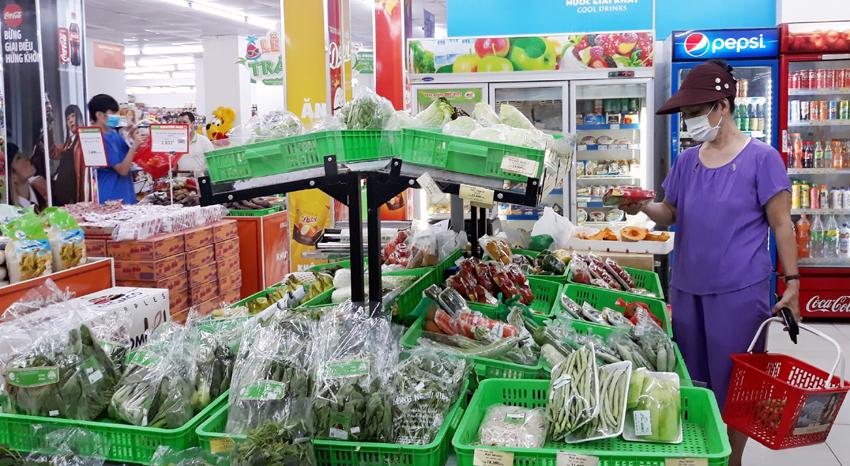
| Customers at Hapro Thanh Cong. Photo: The Hanoi Times |
The view was shared among experts during a recent forum discussing the economic prospect on March 9.
Nguyen Xuan Dinh, deputy head of the Price Management Department under the Ministry of Finance (MoF), said in the worst scenario, Vietnam’s inflation rate in 2022 may surpass the 4%-mark and fluctuate around 3.6-4.3%.
“Prices of fuels and petroleum products have been rising fast in the global market as a result of the escalating Russia-Ukraine conflict,” Dinh said.
Dinh referred to the oil prices in Singapore’s market rising from US$98 per barrel in January 2022 to $130 in the past few days, while that of coal also doubled from $200 per ton to $400.
“Higher prices of coal and oil would directly impact the energy sector, in turn putting upward pressure on inflation and subsequently socio-economic performance,” he said.
In addition, the fact that the Government had delayed adjusting prices of public services in 2021 due to the pandemic, is also a source of concern for eventually rising prices in 2022, he continued.
Such a view is shared by Dragon Capital, which forecast Vietnam’s inflation to stay at 4.18% in 2022 in case oil prices remain around $105 per barrel.
Former Director of the General Statistics Office Nguyen Bich Lam added higher domestic demand is also contributing to growing inflationary pressure.
“Vietnam with a high level of economic openness is largely dependent on imported input materials, and is facing the risk of importing inflation,” Lam said.
Meanwhile, disrupted global supply chains may also drive up the inflation rate, he added.
A report from HSBC noted given surging global oil prices, the impact on Vietnam’s trade is noticeable.
“While base effects and import-intensive electronics were the main reasons behind strong import growth, February petroleum imports are almost double the monthly average in 2021,” it noted.
The trend will likely continue as the Government has indicated that it will import an additional 2.4m cubic meters of petroleum products in 2Q22.
This is because Vietnam has been facing a domestic petroleum supply shortage after its largest refiner Nghi Son Refinery reduced its production capacity to 80% and suspended some crude imports since January. In addition to increasing imports, the government also plans to auction 100 million liters of gasoline from its reserves.
In February, inflation rose by 1.4% y-o-y, primarily driven by higher transports costs of over 15%, a trend that has been lasting for a while. Indeed, gasoline prices have been raised six consecutive times since early December. That said, low base effects partly alleviated some acute short-term challenges.
“Still, inflation risks worth watching closely by policymakers as the rise in commodity prices is broad-based, not only about energy,” noted the HSBC.
Ensure sufficient supplies of strategic goods
To mitigate impacts from rising inflation, Lam called for the Government to ensure sufficient supplies of strategic commodities, including fuel, oil, and gas.
“Vietnam must avoid disruption of supply chains among provinces/cities, and between Vietnam and the world,” Lam said, referring to sky-high maritime transportation costs in 2021 and a shortage of containers as a result of higher market prices.
Nguyen Ba Khang, deputy director of the Information Center for Financial Supervision under the National Financial Supervisory Commission urged Government agencies to monitor closely the global economic situation and risks that could impact the domestic inflation situation.
“The Government should anticipate which goods and products may face a shortage of supply in short- and long-term to devise its solutions accordingly,” Khang said.
Khang expected Vietnam would further turn to input materials from domestic sources and avoid dependence on imported ones.