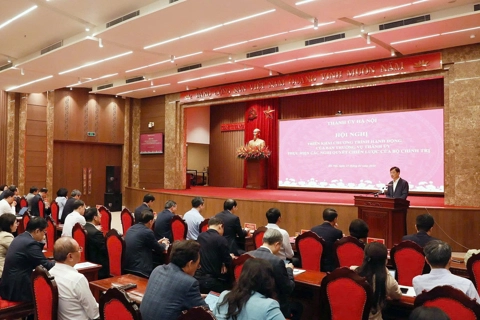
Hanoi aims for 75% urbanization by 2030
Hanoi plans to increase the proportion of urban development land to 30% by 2025, and hopes to increase it to 33-36% by 2030.
Hanoi aims to achieve an urbanization rate of around 60-62% by 2025 and a further increase to around 65-75% by 2030.
Hanoi's urban development program is included in an action program issued by the city's Party Committee, which outlines its efforts to implement Politburo Resolution No. 15-NQ/TW of May 5, 2022 on the planning, construction, management and sustainable development of urban areas in Vietnam by 2030, with a vision to 2045.
Other key targets include expanding the urban development area to about 30% of the total natural land area by 2025 and increasing it to 33-36% by 2030.
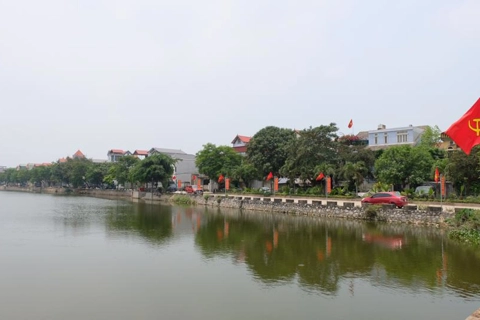
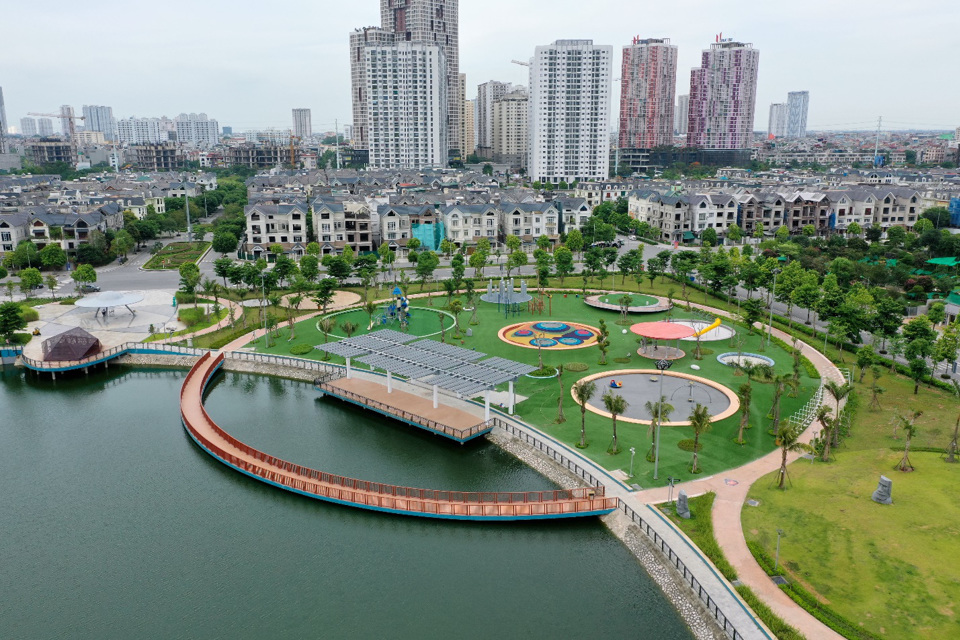
Duong Noi urban area in Hanoi's Dong Anh District. Photo: Khanh Huy/The Hanoi Times |
By 2025, the city expects to have completed all district planning, satellite urban zones, detailed plans for renovation and reconstruction of old apartment buildings, and a program for renovation, embellishment, reconstruction, and urban development in the city.
In addition, the city will establish a complete system of regulations related to planning and architectural management.
The Hanoi Party Committee has emphasized the crucial role of long-term, integrated and modern urban planning that prioritizes the well-being and quality of life of its citizens, as well as urban culture and civilization, as the foundation for development.
The Municipal People's Committee will strive for an average GRDP growth rate of 8% - 8.5% per year and per capita GRDP of US$12,000 - 13,000 in 2026 - 2030. The proportion of processing and manufacturing in GRDP will be 17% in 2025 and 20% in 2030; and the digital economy will be 25-30% in 2025 and 35-40% in 2030.
Hanoi is also planning to increase the proportion of urban development land to 30% by 2025, and hopes to increase it to 33-36% by 2030.
Hanoi plans to complete all district-level construction planning, zoning of satellite urban areas, development of functional zones, detailed plans for redevelopment areas, renovation of obsolete housing complexes, and urban development plans throughout the city by 2025.
The city aims to achieve a ratio of transport land to urban development land (including static transport) of 12%-15% by 2025 and 15%-20% by 2030. The share of public transport passengers should be around 30%-35% by 2025 and 45%-50% of all commuters by 2030.
The expected average green space per urban dweller is projected to be about 7.8-8.1 square meters per head by 2025 and about 12-14 square meters per head by 2030. The average residential floor area per person in urban areas is projected to reach 31 square meters per capita by 2025 and 33 square meters by 2030.
Hanoi will renovate, expand and finance the construction of new hospitals. Priority will be given to the rapid completion of four large general hospitals at the entrances to the city, which will contribute to the goal of 30-35 beds per 1,000 people and at least 15 doctors per 10,000 people by 2025.
The city has ambitions to complete Belt Road 4 by 2027 and is making investment plans for Belt Road 5, which is expected to start construction before 2030.
The urban development program in Hanoi will be developed in accordance with appropriate requirements and in line with national planning and general urban planning, orientations and strategies of medium-term public investment plans.