Hanoi needs to create a legal framework for temporary parking lots
Hanoi is considering licensing temporary car parks on vacant land left by delayed projects to address parking shortage, but a clear legal framework is needed.
What do you think of Hanoi's policy of licensing temporary car parks on land left vacant by delayed projects?
I believe this is a very necessary policy. Given Hanoi's current severe shortage of static traffic infrastructure and the high demand, utilizing vacant urban spaces for parking is a crucial and effective solution.
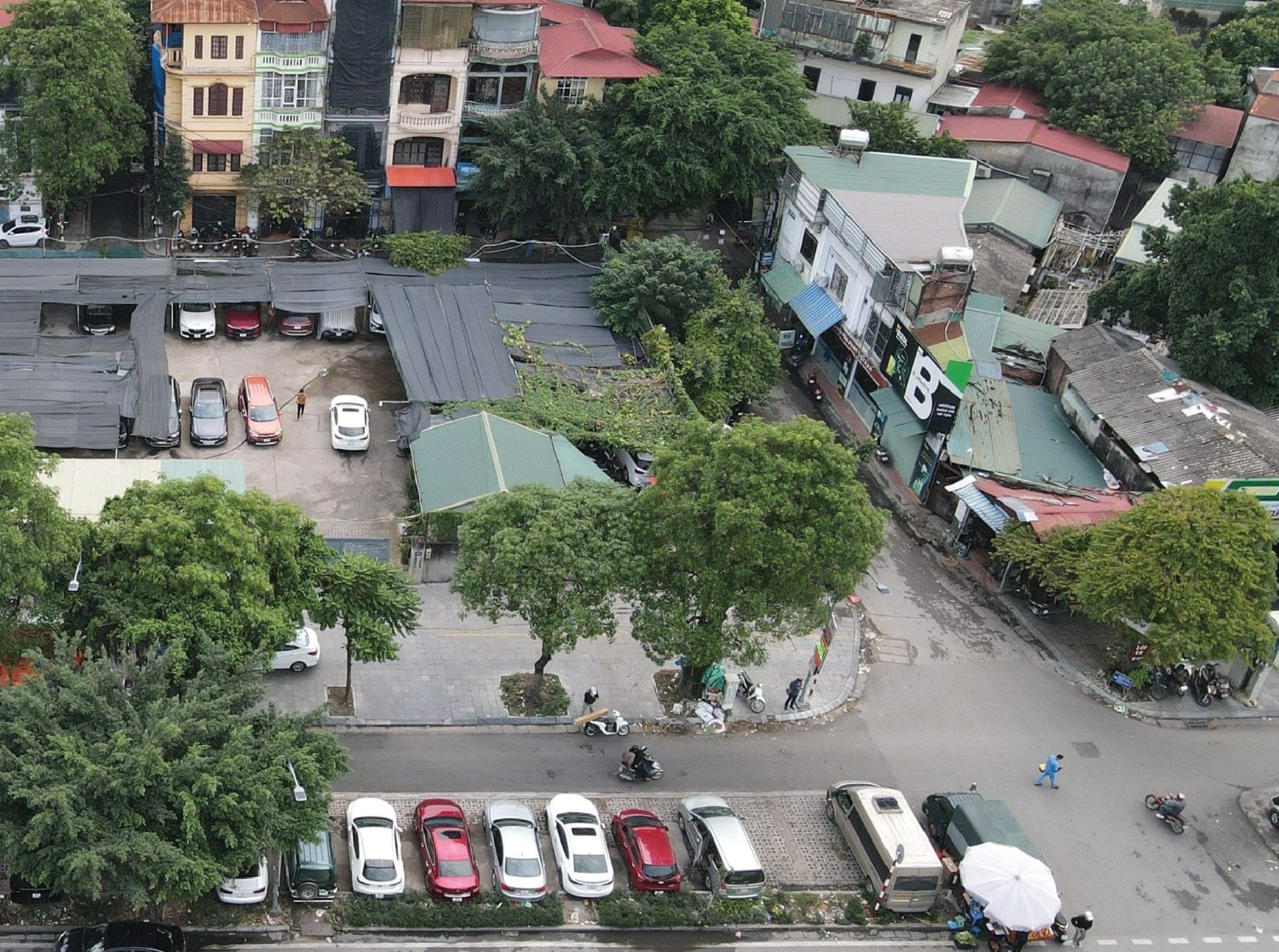
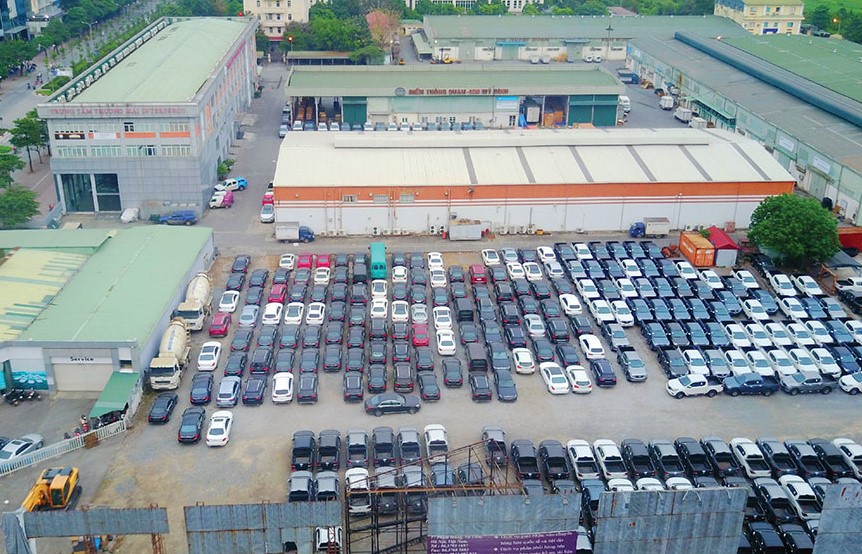
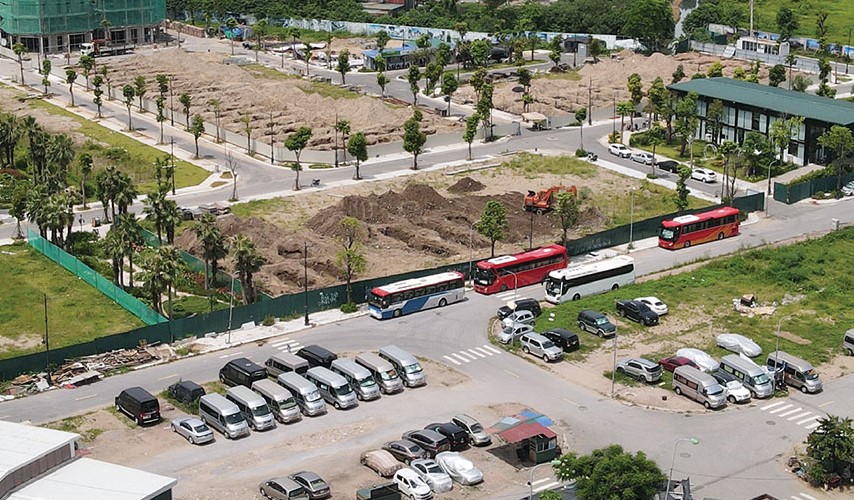
Public land that remains vacant due to no or delayed investment projects is highly wasteful and leads to numerous negative consequences. In reality, even without permission, many such vacant lots have turned into unauthorized car parks, benefiting only private individuals. Some illegal car parks have existed for decades, generating an estimated income of thousands of billions of dong that the city cannot control or tax. Meanwhile, the city has to borrow money to invest in traffic infrastructure. This paradox needs to be addressed, and the best solution is to license and tax these parking areas.
The policy is sound, but implementation has been slow. What do you think is the reason for this?
The primary reason for this is the lack of a clear legal framework, which makes administrative authorities unwilling to grant licenses and leaves businesses in a deadlock because they cannot obtain permits.
Additionally, other significant causes need to be addressed, such as businesses' lack of experience and understanding of this service and the need for technological applications to control and limit negative aspects.
| Making use of empty spaces in urban areas. Photos: Pham Hung |
I suggest the city establish a general steering committee to tackle the the difficulties of temporary parking model. This committee will review the situation and compile data to work out a common procedure for licensing temporary parking on vacant sites for delayed projects. Once the regulations are completed, the committee can be disbanded or reassigned to another field. Having this single point of contact will help the city reduce workload, and local units will have clearer guidance on how to complete administrative and legal procedures.
The steering committee's clear regulations will provide a common formula to guide both local authorities and businesses in the operation of temporary parking. Specifically, the city needs to clarify issues such as: Who has the authority to license these cases? What are the licensing procedures? What are the conditions for licensing? How will the fees be collected?
Currently, the lack of specific procedures and regulations has created a vicious cycle: businesses make proposals to the district People's Committee, the district forwards them to the city, the city assigns them to specialized departments, and then the departments pass them back to the district. This process can take years without a permit being issued to the business. This reality shows that establishing a proper legal framework is a crucial step for organizing parking on vacant land for delayed projects.
| The demand for personal vehicle use will increase with more parking facilities. |
What conditions are required for temporary parking, as mentioned above?
Hanoi has been very successful with the cashless payment model for parking services. This is a very important condition for the introduction of this model. The application of cashless payment should be mandatory for units wishing to obtain a license.
Additionally, the authority to evaluate, license, and manage these temporary car parks should be fully vested in local authorities. Taxes and fees should be paid into the local budget, generating additional revenue for local reinvestment in infrastructure. Conditions for fire prevention and fighting and traffic management can still be carried out according to procedures for regular parking lots.
Moreover, the most important aspect is the licensing period for temporary parking lots on vacant land from delayed projects. This is very important. Many businesses are allocated land for projects but have poor capacity or no serious intention of carrying them out. They may see applying for a parking permit as an excuse to delay.
It is, therefore, necessary to classify which vacant land can be licensed and for how long. For long-delayed project sites, consideration should be given to reclaiming them for transfer to other investors, especially for parking projects.
For vacant land managed by local authorities, a maximum licensing period should be set for two or three years to encourage businesses to invest and apply for a permit once for the entire period. This will make business activities more stable and attractive for businesses. Also, licensing for too short a period where the investment is not recouped, will also discourage businesses from setting up temporary parking lots.
In addition, the city also needs to adjust parking charges, especially in the inner city. Under the current regime, not many units will want to set up properly licensed parking lots; most will want to collude for illegal car parks.
| More parking facilities are needed for the public. |
What is your solution for this issue?
Essentially, it is just a temporary measure; therefore, Hanoi needs to focus on two main solutions for static traffic: accelerating projects for planned parking lots and reducing the number of personal vehicles.
The high demand is due to the rapid increase in the number of vehicles; restricting private vehicles will reduce parking demand, and the burden on the city will gradually decrease. Over-reliance on temporary measures will increase pressure on static traffic in Hanoi. As people see more licensed parking places, they will use private vehicles more.