Hanoi selected to host signature ceremony of UN Convention against Cybercrime
The agreement on the legally binding treaty marked the culmination of a five-year effort by UN Member States, with inputs from civil society, information security experts, academia and the private sector.
The United Nations General Assembly has selected Hanoi to host the formal signature ceremony of the Convention against Cybercrime, a landmark global treaty aimed at strengthening international cooperation to combat cybercrime and protect societies from digital threats, in 2025.
| A wide view of the General Assembly as it considered, for adoption, the UN Convention against Cybercrime. Photo: UN Photo/Loey Felipe |
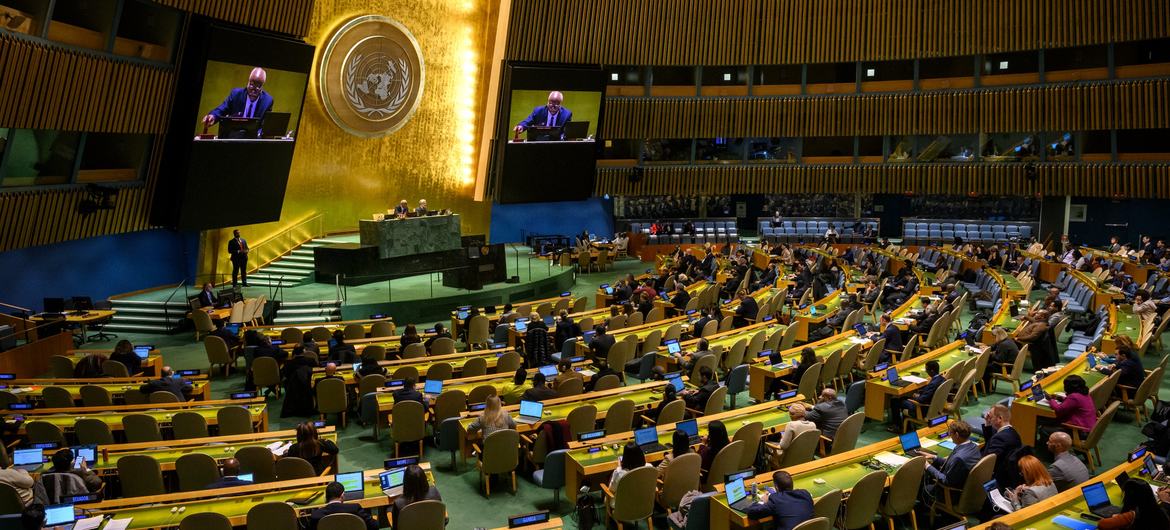
The Convention, adopted by the United Nations General Assembly on December 24, will enter into force 90 days after being ratified by the 40th signatory.
According to the UN News, the agreement on the legally binding treaty marked the culmination of a five-year effort by UN Member States, with inputs from civil society, information security experts, academia and the private sector.
UN Secretary-General António Guterres welcomed the adoption of the Convention – the first international criminal justice treaty to have been negotiated in over 20 years.
“This treaty is a demonstration of multilateralism succeeding during difficult times and reflects the collective will of Member States to promote international cooperation to prevent and combat cybercrime,” his spokesperson said in a statement.
The statement added that the Convention “creates an unprecedented platform for collaboration” in the exchange of evidence, protection for victims and prevention while safeguarding human rights online.
“The Secretary-General trusts that the new treaty will promote a safe cyberspace and calls on all States to join the Convention and to implement it in cooperation with relevant stakeholders.”
New tool to protect people
Philémon Yang, President of he General Assembly, highlighted the importance of the new Convention.
“We live in a digital world, one where information and communications technologies have enormous potential for the development of societies, but also increases the potential threat of cybercrime,” he said.
“With the adoption of this Convention, Member States have at hand the tools and means to strengthen international cooperation in preventing and combating cybercrime, protecting people and their rights online.”
The resolution containing the Convention was adopted without a vote by the 193-member General Assembly.
Ghada Waly, Executive Director of the UN Office on Drugs and Crime also described the adoption of the treaty as a “major victory” for multilateralism.
“It is a crucial step forward in our efforts to address crimes like online child sexual abuse, sophisticated online scams and money laundering,” she said.
Ms. Waly reiterated the UN agency’s commitment to support all nations in signing, ratifying and implementing the new treaty, as well as providing them with the tools and support they need to protect their economies and safeguard the digital sphere from cybercrime.
The Convention against Cybercrime acknowledges the significant risks posed by the misuse of information and communications technologies (ICT), which enable criminal activities on an unprecedented scale, speed, and scope.
It highlights the adverse impacts such crimes can have on States, enterprises, and the well-being of individuals and society, and focuses on protecting them from offenses such as terrorism, human trafficking, drug smuggling and online financial crimes.
It also recognizes the growing impact of cybercrime on victims and prioritizes justice, especially for vulnerable groups. It further underscores the need for technical assistance, capacity-building and collaboration among States and other stakeholders.