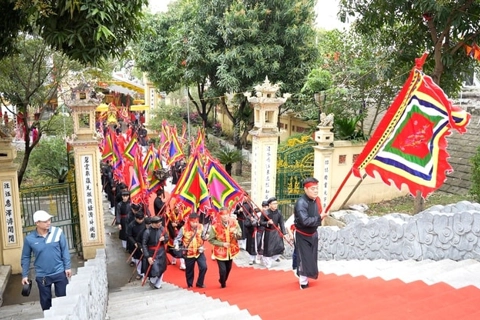
Iconic Ao Dai in different periods displayed at museum in Hanoi
The museum was established in 1987 and is run by the Vietnam Women’s Union.
The Vietnamese Women’s Museum in Hanoi has exhibited seven gowns which represent the evolution of the Ao Dai long dress from the original version to its adaptations over the periods, VnExpress reported.
The Ao Dai models are showcased at the Women’s Fashion space on the fourth floor of the museum. There are description labels in Vietnamese, English, and French for each Ao Dai version. The traditional gown is said to be originated from garments called "Áo giao lĩnh", the precursor of the four-flap-dress (the central one), however, the two front panels are separated. |
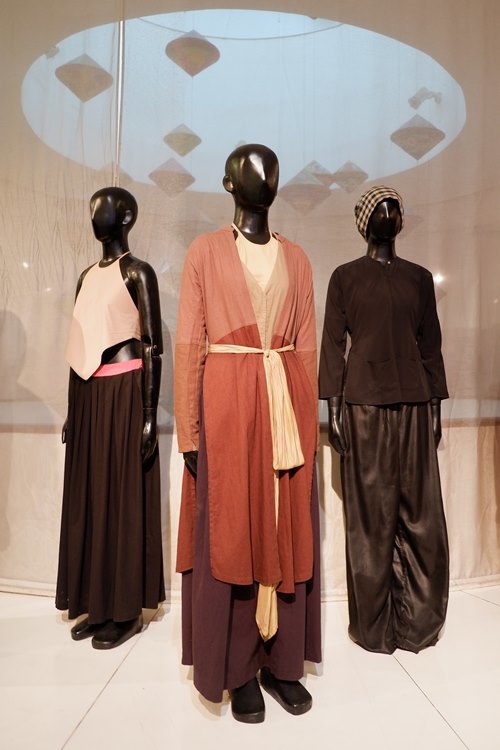
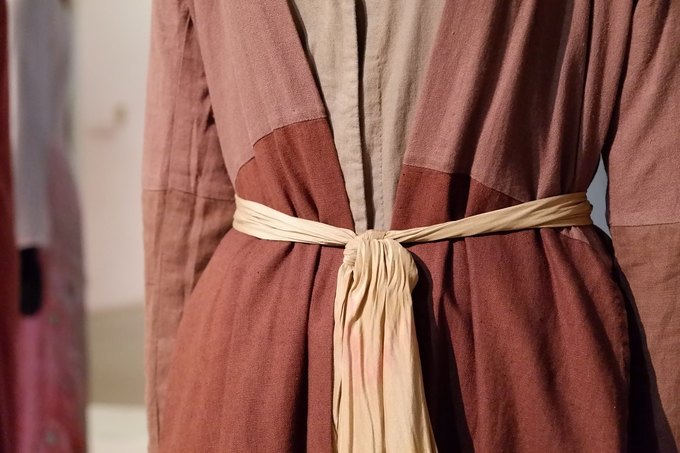
The four-flap-dress is created from the sackcloth, a coat for the ao yem, an undergarment of ancient Vietnamese women, in a set with a long skirt and cotton belt waist. In the 19th century, King Minh Mang issued a royal ordinance about the women dress nationwide, under which royal concubines and maids had to wear the Ao Dai when they left the royal palace. Ordinary women had to wear trousers and skirts were prohibited. |
During the 1930s, artist Cat Tuong made the first basic reformed silhouette of the Vietnamese four-flap-dress, which is called the Lemur Ao Dai. In 1934, artist Le Pho created the new Ao Dai with the two soft flaps tied up to the body. The design Vietnamese Ao Dai was shaped since then. In 1950, the Ao Dai was reformed with a low cut neck and additional decorative patterns. In 1960, the Ao Dai had additional armors to avoid the wrinkles that appeared in the previous version. On the picture is a popular long dress between 1940 and 1960. |
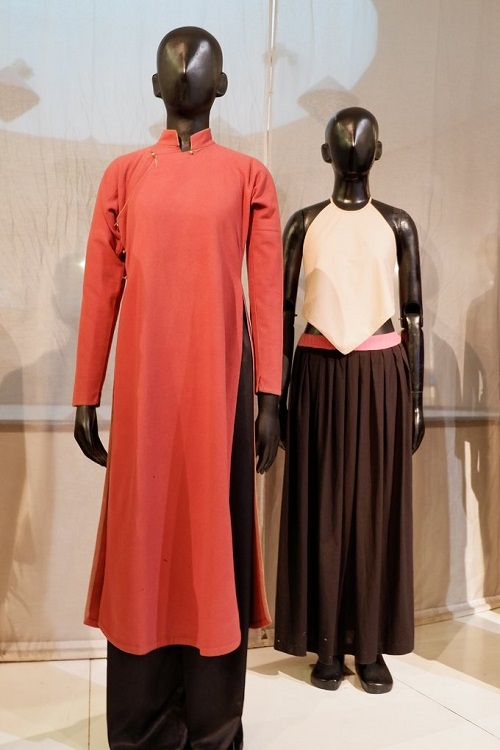
| From 1971 to 1975, the Ao Dai was made from synthetic fabric with short flaps, tight around the waist and decorated with patterns. |
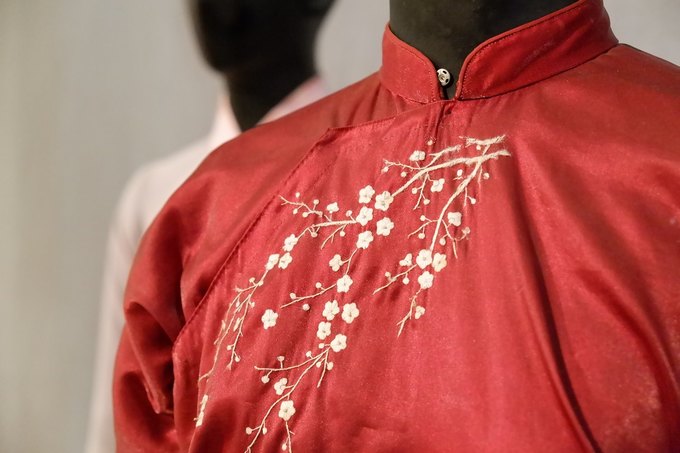
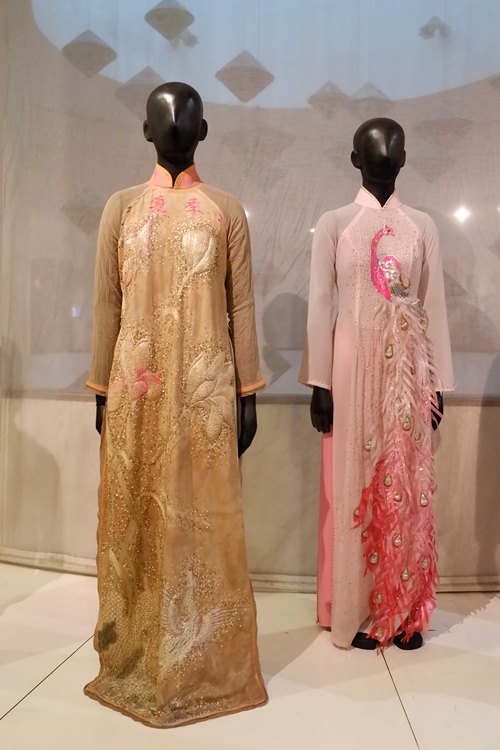
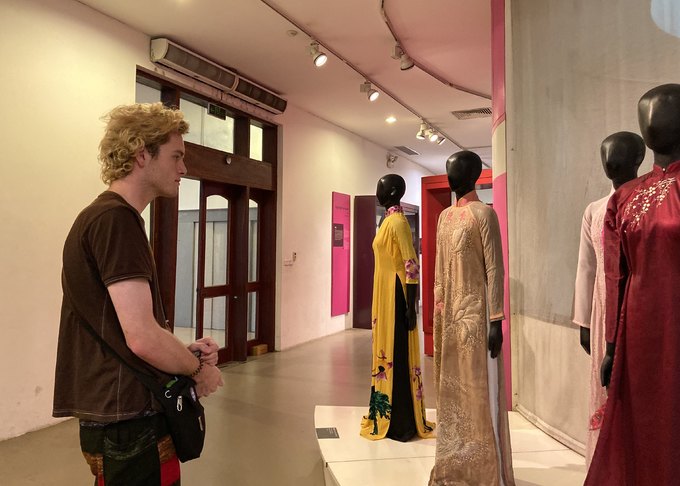
| This is the space to display the modern Ao Dai with a wide range of materials, forms, and motifs. Besides, the fourth floor of the museum also showcases different outfits of women from Vietnamese ethnic minorities, jewelry, accessories, tools for chewing betel nut and teeth stain. |
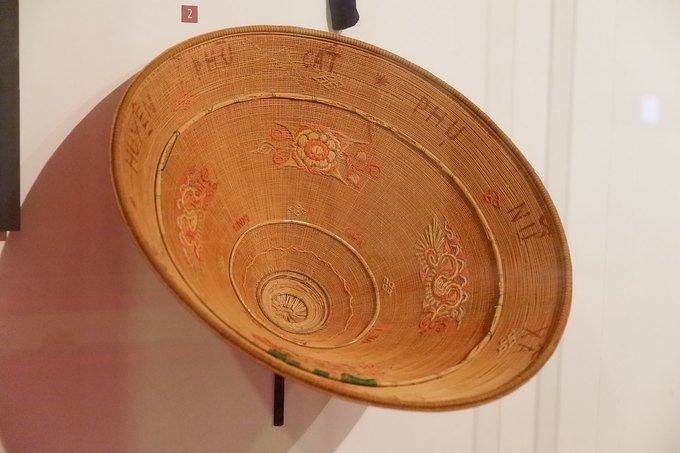
The Binh Dinh conical hat in 1986 was made from the bamboo brim, leaves, and wool pattern. |
The museum was established in 1987 and is run by the Vietnam Women’s Union. The facility also focuses on research, preservation, and display of tangible and intangible historical and cultural heritages of Vietnamese women and Vietnam Women’s Union. It is also a center for cultural exchange between Vietnamese and international women. |

| Lonely Planet, the world's biggest guide book publisher described the Vietnamese Women’s museum as the most poignant memories of the wartime contributed by heroic women. The museum displays a stunning collection of propaganda posters, as well as costumes, tribal basket ware and fabric motifs from Vietnam’s ethnic minority groups. |
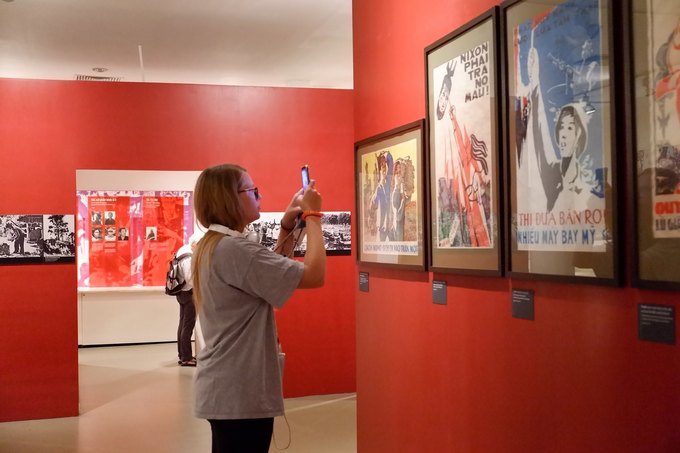
Photo: VnExpress.