Long-term vision in planning required for more green urban space in Vietnam
Hanoi, Ho Chi Minh City and other major cities in Vietnam should mobilize more resources for green space development.
The lack of long-term vision in planning is a major factor behind a shortage of land for developing greenery, parks, culture, healthcare, or education facilities.
| Deputy Prime Minister Le Van Thanh at the session. Source: quochoi.vn |
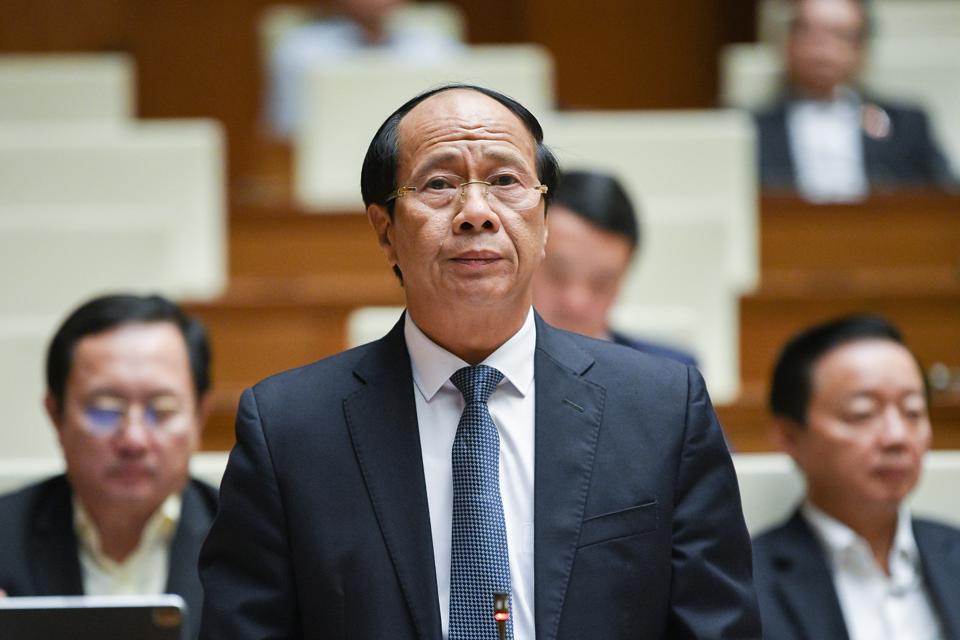
Deputy Prime Minister Le Van Thanh gave the remarks during a Q&A session today [November 4] on urban planning management.
According to Thanh, under the Law on Planning, the national planning system would include 110 master plans, of which 41 are at the national level, 38 for economic sectors, six for interprovincial and 63 for provinces/cities.
However, five years after the implementation of the Planning Law, the national master plans have not been approved, and Thanh attributed the slow pace to the unprecedented and complicated nature of the task.
The same situation is happening to the inter-provincial planning or those at city-provincial levels, Thanh said.
To remove legal obstacles, the National Assembly has issued a resolution allowing for a simultaneous drafting process of different plans.
According to Thanh, this has helped speed up the planning process, but so far some 45 plans, including 19 at provincial/city, interprovincial and national levels, have not been approved.
Regarding urban planning and development, Thanh highlighted the rapid urbanization rate from 30.5% in 2010 to 40.5% in 2021.
| Overview of the session. |
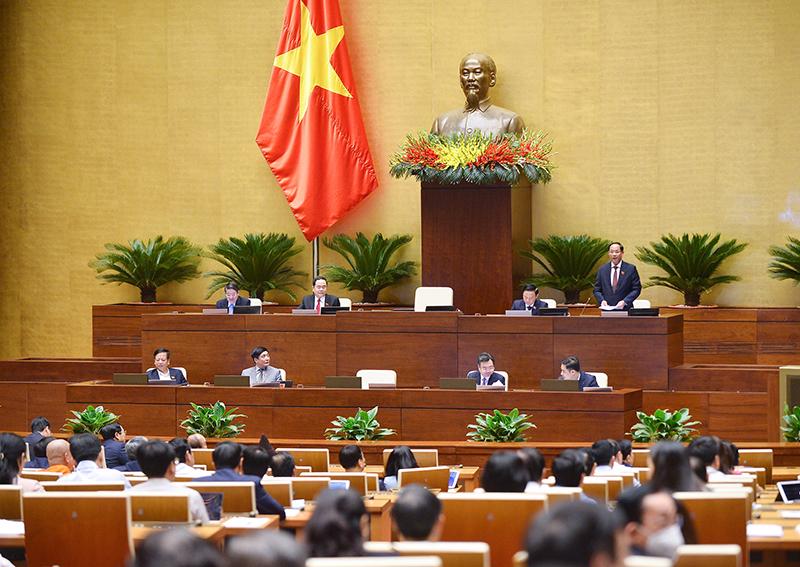
In this process, many urban cities have posted high economic growth and formed civilized and modern residential areas, while urban infrastructures gradually improve and transform the landscape of cities/provinces.
The fast urbanization, however, also posed some social issues, Thanh said, noting land funds for parks in cities, especially large ones, remain at 40-50% of the requirements.
“There is a significant shortage of land funds for public projects, such as green parks, and transportation,” he said.
The deputy prime minister pointed out the lack of responsibility from local authorities in timely addressing illegal construction activities or urban encroachment on rural lands.
Meanwhile, poor quality planning has led to an imbalance in land funds for settlements and public spaces, such as transportation, parks, green trees, health, and education.
Low green space per capita in Hanoi
Minister of Construction Nguyen Thanh Nghi said many urban cities have much less green space per capita compared to what was planned.
| Minister of Construction Nguyen Thanh Nghi. |
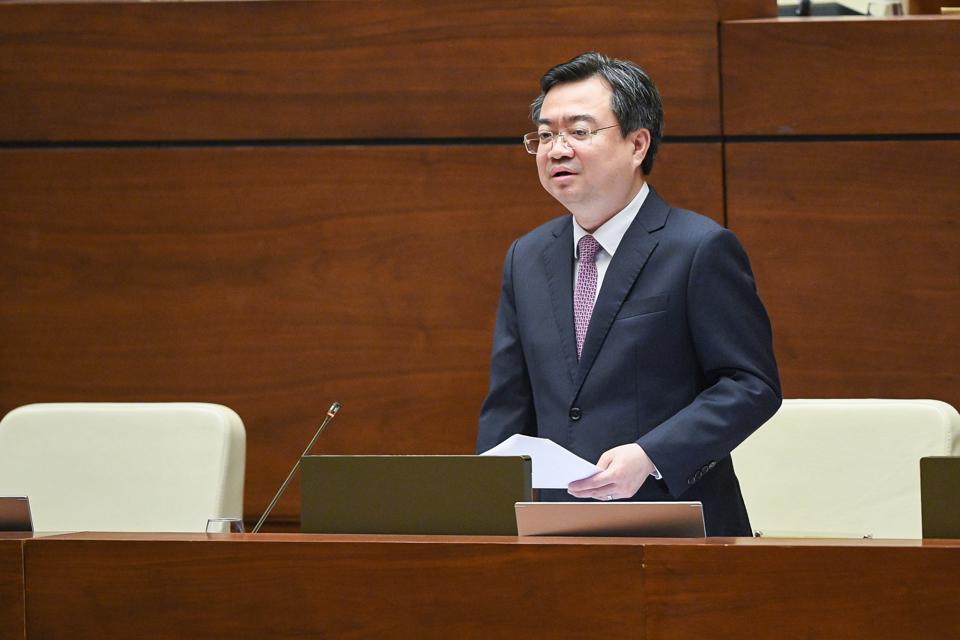
He cited that the per capita green space in Hanoi is 2 square meters, in Ho Chi Minh City 1 square meter, in Danang 2.4 square meters and in Haiphong 3.41 square meters, while the standard for big cities should be 6-7 square meters.
Nghi acknowledged the lack of supervisory efforts by the Ministry of Construction to localities to ensure planning compliance, as well as the failure to submit a proposal on the development of green spaces in urban areas.
In the near future, Nghi expects the ministry to finalize legal frameworks on the management of green parks in cities and put in place stricter measures for investors who do not allocate enough land funds for green trees.
For localities such as Hanoi and Ho Chi Minh City, Nghi called for the necessity to mobilize resources for green space development, along with greater supervision efforts in the allocation of land funds for public projects.
"Local authorities should refrain from changing the function of green parks during planning adjustment, if any," Nghi said, noting the priority for land use after the relocation of government agency headquarters, work facilities outside the city center should be for green space.