Econ
National Assembly passed fisheries law to enhance quality management
National Assembly deputies on November 22 voted with overwhelming majorities to pass the revised Law on Fisheries, which will help enhance the management of Vietnam’s seafood quality next time.
The revised law with nine chapters and 105 articles got an 89 per cent approval of NA deputies.
It applies to Vietnamese and foreign organizations and individuals functioning in the seafood sector or engaging in relevant activities on and off the coast of Vietnam’s islands, archipelagos and other marine territories.
The new law regulates aquatic activities, rights and obligations of relevant organizations and individuals, and State management of fisheries. It sets out a host of regulations on fishery quality management in an apparent move to ensure safety for fishery products for domestic and foreign markets.
According to the law, prohibited acts in fishery activities include injecting impurities into seafood, illegal fishing, illegal transport, storage and processing of seafood, and using banned antibiotics, medicines and plant protection products.
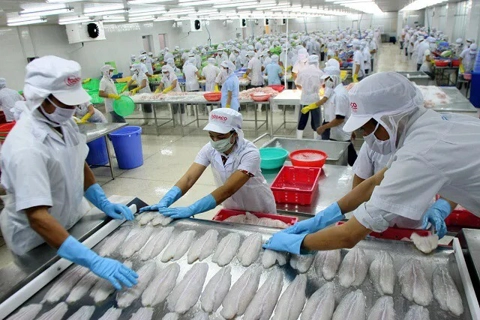
Seafood processing and trading facilities have to observe the regulations on food safety and environmental protection. Seafood is required to have clear origin to ensure food safety and hygiene, according to the new law.
Banned or expired substances of unclear origin shall not be used for preservation and processing purposes. Overuse of chemicals that are allowed for or restricted from use in aquaculture is also banned.
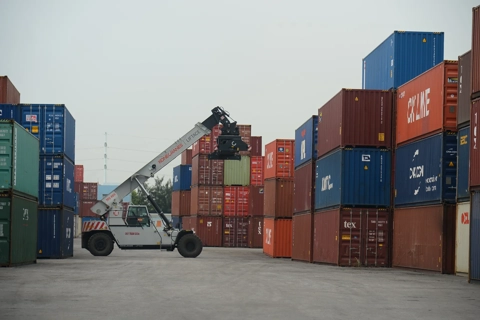
Organizations and individuals importing seafood are required to have sufficient documents about the products’ origin and quality to ensure food safety and hygiene. Seafood not allowed for trade in Vietnam can still be imported for research or exhibition purposes following approval from the Ministry of Agriculture and Rural Development.
Apart from regulations governing fishery quality, the law also specifies numerous articles designed to protect the fishery resources.
Specifically, the law disallows the use of banned substances, explosives, poisons, electric and other destructive fishing methods.
Besides, the use of fishing gear that obstructs, interferes with or causes damage to other fishing organizations and individuals, fishing in banned areas, and encroachment on protected marine areas are also banned.
Provincial authorities and the Ministry of Agriculture and Rural Development take responsibility for granting licenses to Vietnamese organizations and individuals wanting to develop fish farming at sea, while foreign firms wanting to invest in similar projects will have to ask for the government’s permission.
Individuals and organizations fishing by vessels of six meters or longer are required to have a fishing license.
The Law on Fisheries has nine chapters and 105 articles on fisheries resources protection and development, aquaculture, fishing activities, management of fishing vessels, fishing ports, shelters for vessels, processing, trading in, export and import of aquatic products, and governmental management of fisheries.
The new law when taking effect on January 1, 2019 will replace the Fisheries Law No. 17/2003/QH11.
It applies to Vietnamese and foreign organizations and individuals functioning in the seafood sector or engaging in relevant activities on and off the coast of Vietnam’s islands, archipelagos and other marine territories.
The new law regulates aquatic activities, rights and obligations of relevant organizations and individuals, and State management of fisheries. It sets out a host of regulations on fishery quality management in an apparent move to ensure safety for fishery products for domestic and foreign markets.

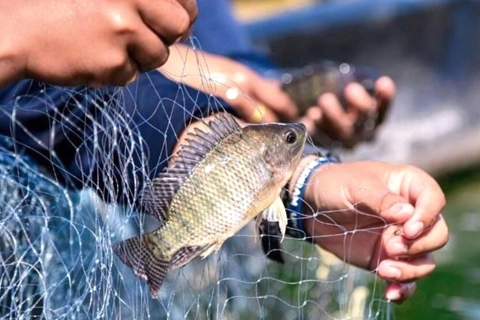
Vietnam’s seafood must have clear origin to ensure food safety and hygiene.
|
Seafood processing and trading facilities have to observe the regulations on food safety and environmental protection. Seafood is required to have clear origin to ensure food safety and hygiene, according to the new law.
Banned or expired substances of unclear origin shall not be used for preservation and processing purposes. Overuse of chemicals that are allowed for or restricted from use in aquaculture is also banned.
Organizations and individuals importing seafood are required to have sufficient documents about the products’ origin and quality to ensure food safety and hygiene. Seafood not allowed for trade in Vietnam can still be imported for research or exhibition purposes following approval from the Ministry of Agriculture and Rural Development.
Apart from regulations governing fishery quality, the law also specifies numerous articles designed to protect the fishery resources.
Specifically, the law disallows the use of banned substances, explosives, poisons, electric and other destructive fishing methods.
Besides, the use of fishing gear that obstructs, interferes with or causes damage to other fishing organizations and individuals, fishing in banned areas, and encroachment on protected marine areas are also banned.
Provincial authorities and the Ministry of Agriculture and Rural Development take responsibility for granting licenses to Vietnamese organizations and individuals wanting to develop fish farming at sea, while foreign firms wanting to invest in similar projects will have to ask for the government’s permission.
Individuals and organizations fishing by vessels of six meters or longer are required to have a fishing license.
The Law on Fisheries has nine chapters and 105 articles on fisheries resources protection and development, aquaculture, fishing activities, management of fishing vessels, fishing ports, shelters for vessels, processing, trading in, export and import of aquatic products, and governmental management of fisheries.
The new law when taking effect on January 1, 2019 will replace the Fisheries Law No. 17/2003/QH11.