New PPP law to drive Vietnam’s infrastructure development
Prior to the passage of the PPP law, Vietnamese authorities had been struggling to attract private capital to the country’s burgeoning infrastructure sector.
A new law on Public-Private Partnership (PPP) will present tailwinds to growth of Vietnam’s infrastructure sector, according to Fitch Solutions, a subsidiary of Fitch Group.
On June 18, the Vietnamese National Assembly convened and approved the new PPP law, which will now act as the main piece of legislation governing PPP transactions in the country.
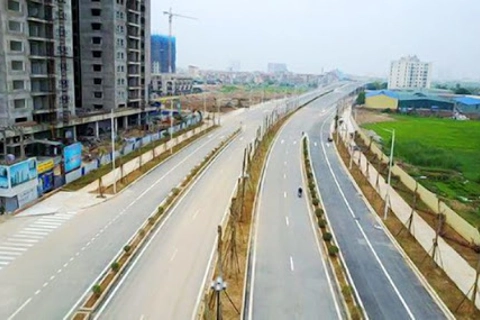
| PPP projects implemented in the Vietnamese roads sector will serve as a litmus test to assess the effectiveness of the new PPP law. |

Prior to the passage of the PPP law, Vietnamese authorities had been struggling to attract private capital to the country’s burgeoning infrastructure sector.
Previously governed by Decree No. 63/2018/ND-CP (Decree 63), investors have noted the lack of a comprehensive risk sharing mechanism which reduces the attractiveness of PPP transactions in Vietnam. Also, the lack of a unified PPP law also resulted in higher legal risks and costs, especially for prospective foreign investors who are unfamiliar with the Vietnamese legal landscape.
Going forward, these risks could be lowered with the new PPP law in force. Currently, Fitch Solutions maintained its long-term growth forecasts for the Vietnamese construction sector growth to average at 6.8% per year from 2021 to 2029.
Notably, the PPP law stipulates that only projects undertaken in the five sectors can be considered for PPPs, including transport; grid infrastructure, power plant; irrigation, clean water supply, drainage, sewage treatment, waste; health, education – training; and information technology infrastructure.
Moreover, the scale of the minimum total investment of the PPP project for each field cannot be less than VND200 billion (US$8.64 million) for PPP projects except for healthcare and education, where a lower threshold of VND100 billion (US$4.32 million) is applied. In cases of geographical areas with difficult socio-economic conditions and particularly difficult according to the law on investment, not less than VND100 billion (US$4.32 million).
There is a selection mechanism for potential PPP investors, which Fitch Solutions believed is included to ensure a minimum quality of bids. Potential investors will be considered if they meet a series of criteria explained in the law, such as having an establishment and operation registration certificate issued by a competent agency of the country in which the investor is operating, and have independent financial accounting.
Regarding the revenue risk sharing mechanism, the law states that if actual revenue exceeds 125% of what was planned, the PPP project investor will share 50% of the difference between actual revenue and revenue at 125%. On the other side, the state will share with PPP investors 50% of the revenue reduction between actual revenue and contracted revenue for PPP projects that meet certain conditions.
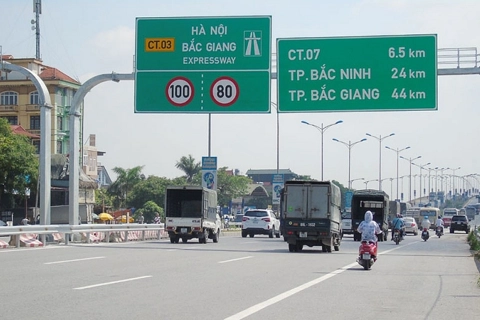
According to Fitch Solutions, PPP projects implemented in the Vietnamese roads sector will serve as a litmus test to assess the effectiveness of the new PPP law.
Based on its proprietary Infrastructure Key Projects Database, there are currently 98 major infrastructure projects at the planning stage earmarked as PPPs. 58 out of 98 of these projects belong to the roads and bridges sector, with an estimated value of USD20.8 billion.
Vietnam’s rapid pace of economic development, partially helped by its emergence as an alternative low-cost manufacturing hub to China, has increased the need for the government to invest in providing quality infrastructure to support the flow of goods and services.
One key project is the North-South Expressway linking Hanoi to Ho Chi Minh City, for which the government had previously attempted to implement parts of the project through the PPP model, but ultimately decided against it due to complications relating to bidding.
With the demand of road infrastructure increasing and the government needed private capital to share the burden of financing, Fitch Solutions believed that there will continue to be PPP opportunities in this sector despite the failure of the North-South Expressway PPP scheme.