14TH NATIONAL CONGRESS OF THE COMMUNIST PARTY OF VIETNAM
Log in
Property

Overloaded infrastructure hinders development of Vietnamese aviation industry

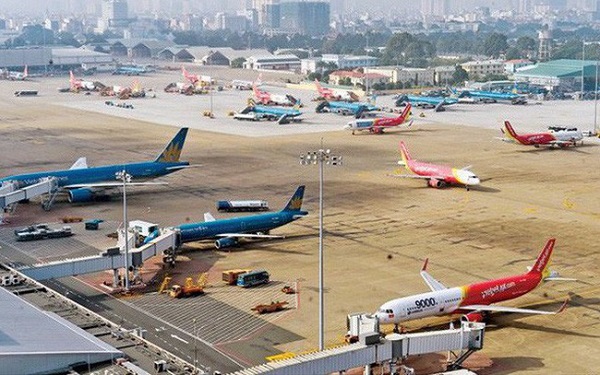
The combined capacity of the 22 airports in Vietnam is just equal to that of one single airport like Changi in Singapore, Suvarnabhumi in Thailand or KLIA in Malaysia.

At the panel on the aviation industry in Vietnam under the framework of the Vietnam Travel & Tourism Summit in Hanoi on Monday, many experts and authorities in the fields mentioned the overload of infrastructure as the main bottleneck to the development of the industry.

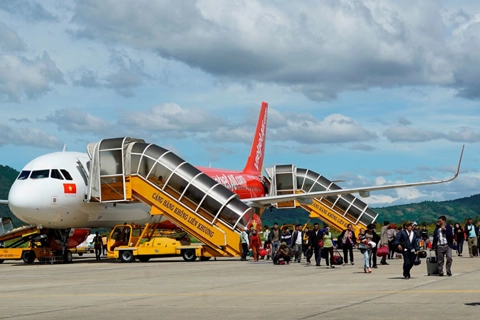
 Illustrative photo/VNA

As many as 80% of international tourists traveled to Vietnam by air, showing the vital role of aviation in contributing to doubling the growth rate of Vietnamese tourism industry between 2015 and 2018. However, as visitors mainly chose Hanoi, Ho Chi Minh City, Nha Trang as their favorite destinations, shortcomings preventing this cities from handling such a large influx of tourists have been revealed.

The combined capacity of the 22 airports in Vietnam is just equal to that of one single airport of the kind of Changi in Singapore, Suvarnabhumi in Thailand or KLIA in Malaysia.

As a result, developing and broadening satellite airports system is essential. However, due to the flawed policies, the projects have not drawn the interest of domestic and foreign enterprises yet.

Vo Huy Cuong, deputy head of the Civil Aviation Authority of Viet Nam, (CAAV) stressed that Vietnam needs to synchronize its policies to untie the knots in infrastructure development as it is foreseeable that the airport system will be more clogged in the future, affecting not only the aviation but also the tourism industry.

The number of airline seats on the Hanoi – Ho Chi Minh route offered by Vietnam Airlines ranks second in the world with 210,000, making major airports such as Tan San Nhat overcrowded, affecting aviation service quality, flight safety and altering flight plans of air carriers.

A representative of the Ministry of Planning and Investment said aviation planning has been disrupted due to improper policies. He proposed some solutions including improving the quality of planning, at the same time, enhancing the harmonization in planning of roads, highways, railways, and airports.

Also at the panel, experts and authorities proposed ways to clear some obstacles for private resources to be poured into aviation infrastructure such as shortage of qualified aviation personnel, backward mechanism of ceiling rates for airfares, and whether to include or not the air transport business license in the Investment Law. 
Reactions:
Share:
Trending
Most Viewed
Related news
Private investment in aviation infrastructure booms

Private investment in aviation infrastructure booms

14 May, 14:08

Many private investors are taking part in aviation infrastructure projects, fuelled by the industry’s high profitability capacity, streamlined development strategy and favorable investment climate.

Tet renovation rush strains Hanoi crews, lifts finishing material costs prices

Tet renovation rush strains Hanoi crews, lifts finishing material costs prices

Hanoi’s home renovation market has entered its busiest stretch of the year, as year-end demand tightens contractor availability and raises the cost of finishing materials.

Vietnam construction materials rebound as prices rise and public investment accelerates

Vietnam construction materials rebound as prices rise and public investment accelerates

Rising steel and cement prices, stronger public investment spending and improving consumption across key material segments point to a broad recovery in Vietnam’s construction materials sector as 2026 begins.

Hanoi sets 40 sq.m housing space goal to lift urban living standards

Hanoi sets 40 sq.m housing space goal to lift urban living standards

Raising average housing space marks a people-centered shift in urban policy as the capital works to improve living standards, expand social housing and ensure that rapid economic growth goes hand in hand with safer and more livable neighborhoods.

Prime Minister urges measures to boost supplies and control house prices

Prime Minister urges measures to boost supplies and control house prices

Vietnam’s government is stepping up efforts to rebalance the real estate market as Prime Minister Pham Minh Chinh urges faster policy action to expand housing supply, address affordability pressures and ensure the sector supports both economic stability and social welfare.

Ho Chi Minh City forms first professional association for apartment management

Ho Chi Minh City forms first professional association for apartment management

Amid rapid urban growth, Ho Chi Minh City has established a professional body for apartment management, becoming the first locality in Vietnam to do so.

Real estate credit surge prompts tighter oversight to safeguard Vietnam’s financial stability

Real estate credit surge prompts tighter oversight to safeguard Vietnam’s financial stability

Vietnam’s real estate sector has absorbed a sharp rise in credit, supporting market recovery while raising concerns over capital concentration, speculative risks and the need for tighter policy coordination.

Revised housing roadmap doubles social housing targets for Hanoi

Revised housing roadmap doubles social housing targets for Hanoi

Vietnam’s push to accelerate affordable housing has significantly raised expectations for major cities, with Hanoi now tasked with delivering a far larger volume of social homes as part of the national goal to build more than one million units by 2030.

Social housing supply exceeds targets in 2025 as Vietnam tackles property imbalances

Social housing supply exceeds targets in 2025 as Vietnam tackles property imbalances

Vietnam surpassed its social housing construction target in 2025, marking progress in housing policy, but supply mismatches, high prices and legal bottlenecks continue to weigh on the real estate market.