Passengers to bear burden of rising petrol prices
The current high petrol prices mean the chance of survival for transportation companies are very slim without jacking up ticket prices.
In case petrol prices continue their upward trend, transportation companies would be forced to raise ticket fares, whether they want it or not, according to transport expert Bui Danh Lien.
“For the time being, many are trying to keep the prices unchanged for fear of losing passengers. Only a few have done so but cautiously. This is the only way transport firms can turn to cope with the current situation, but not a long-term solution,” Lien told The Hanoi Times.
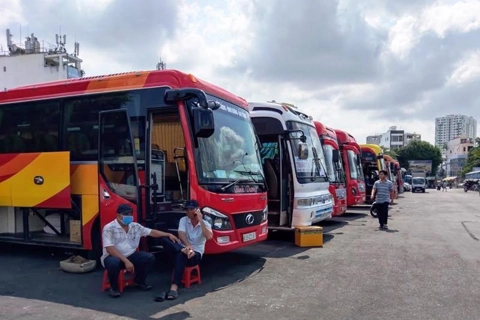
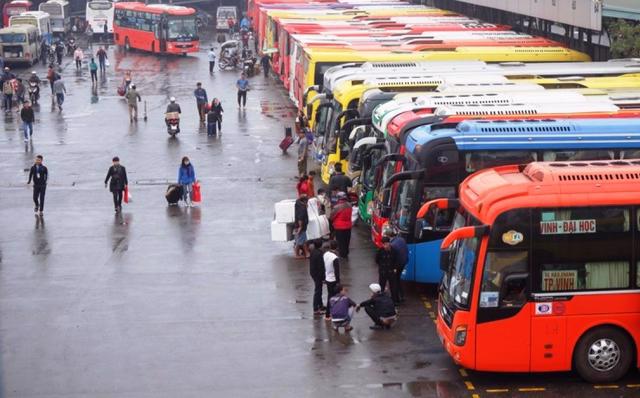
| Lack of passengers at bus stations. Photos: Trung Vu |
According to Lien, the current high petrol prices mean the chance of survival for transportation companies are very slim without adjusting ticket prices. But the lack of passengers due to the pandemic would require companies to give serious thought to the issue.
“Rising fares would result in a lower number of passengers, but they cannot keep operating with losses. If this situation does not change, many may face bankruptcy,” he said.
Chairman of the Vietnam Automobile Transportation Association (VATA) Nguyen Van Quyen added while the move is unavoidable, higher transport ticket prices would cause negative impacts on the recovery of the sector, and also the transport demand of people in the post-pandemic period.
“Passengers would bear the burden from rising transport fares,” Quyen told The Hanoi Times.
To further support transport companies in this difficult period, Quyen called for the Government to waive road maintenance fees for companies until the end of 2022, instead of a 30% cut.
“Drastic measures are needed to speed up the socio-economic recovery process, especially during this difficult moment,” he suggested.
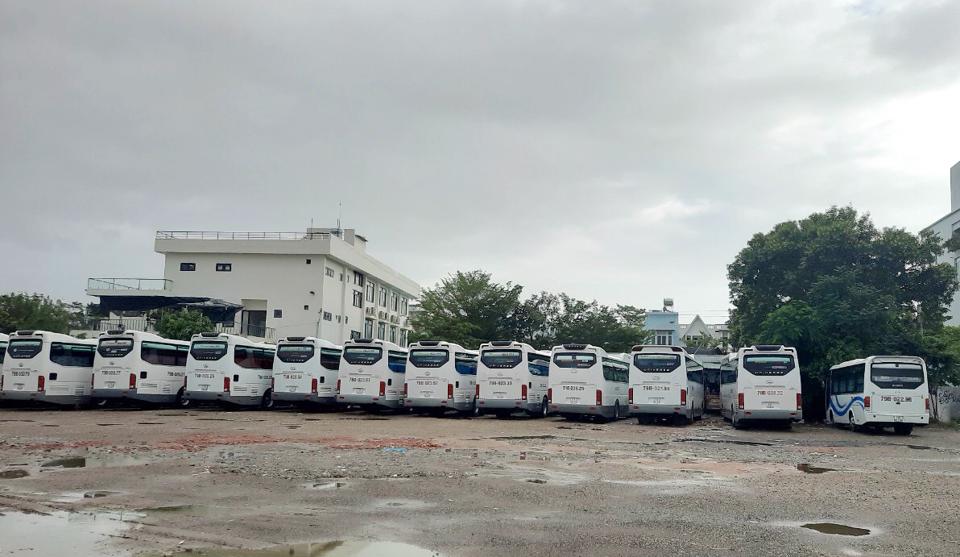
| Busses are laid off due to the lack of passengers. |
Khuc Huu Thanh Hai, director of Dat Cang Transportation Trading and Services Company, said in just a short period, petrol prices, which account for 35-40% of operating costs of transport companies, continue to set new records.
“This got worse with the low number of passengers, so it is incredibly hard for us to raise the fares at this moment,” Hai told The Hanoi Times, noting he has decided to get rid of several busses and scale down operation to cut costs.
“We would try to stay afloat to see if the prices can go down in the future, but it is very hard to predict what is going to happen tomorrow,” he said.
With over 200 busses under disposal, Dat Cang Company is operating at only 20% of the capacity. But even at this rate, the company is still suffering losses, due to the lack of customers.
Vo Dang Khai, director of Phuc An Transport Tourism Company, said the drivers have to take fewer shifts to remain employed.
“Diesel prices rising from just VND18,000 per liter before Tet (Lunar New Year) to over VND25,000 means a loss of around VND1.5 million for a two-way trip from Nha Trang to Ho Chi Minh City of nearly 1,000 kilometers, we are losing,” Khai said.
Khai added the company would reduce the frequency from three trips per day to two per day, along with raising ticket prices by VND20,000.
“It is forecast that petrol prices would continue to rise, for which Government agencies should consider tax cut to support businesses, instead of using price stabilization funds. On the other hand, transport firms should adopt IT in their operation to save cost and enhance efficiency,” economist Ngo Tri Long. “Differences in prices of petrol prices in the domestic and international markets would lead to the smuggling of petrol prices to neighboring countries. The Government also has to consider the impacts from cutting the tax rate on petrol to the state budget revenue, which is essential to realize economic growth targets and social welfare,” economist Dinh Trong Thinh. |