Polish cuisine: Legacy of centuries-long recipes and quintessence of creativeness
Centuries-long legacy has formed Polish cuisine full of nutrition and the quintessence of eating and drinking from different circles of life.
Polish gastronomy is evolving as dynamically as the country itself and dishes are made with finesse and an interaction new forms resulted from the combination of experience in world-renowned restaurants and presentation of traditional recipes.
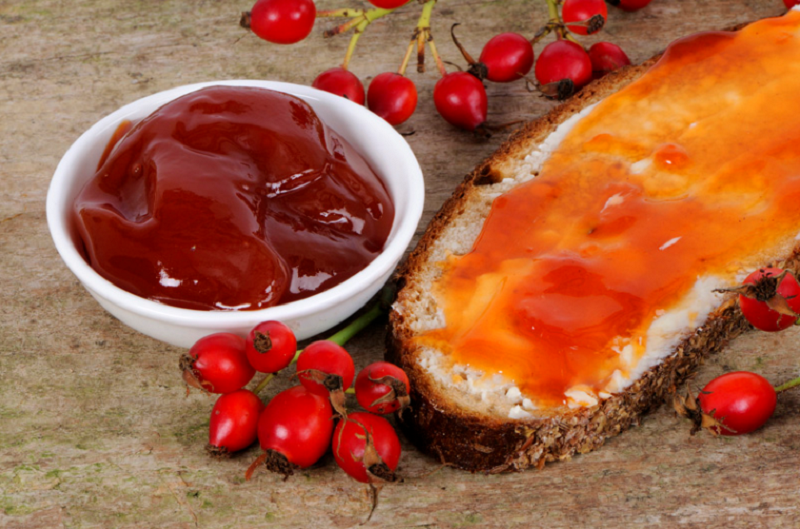
| Rose jam. Photo: Arco Images/Diez O./Forum |
Food habits had been shaped over time by many ethnic and religious influences.
This prompts a question what does Poland taste like? The most popular answer could be that it is salty like pickles, herring and salt from the Wieliczka Salt Mine, sour like fresh apples, bitter like offal, black tea and herbs, and spicy like horseradish.
People will find the umami taste in meat, fish and mushroom dishes and taste sweetness in delicious treats, aromatic honey, and Polish hospitality, Magdalena Tomaszewska-Bolałek said in the book “Polish Culinary Paths”.
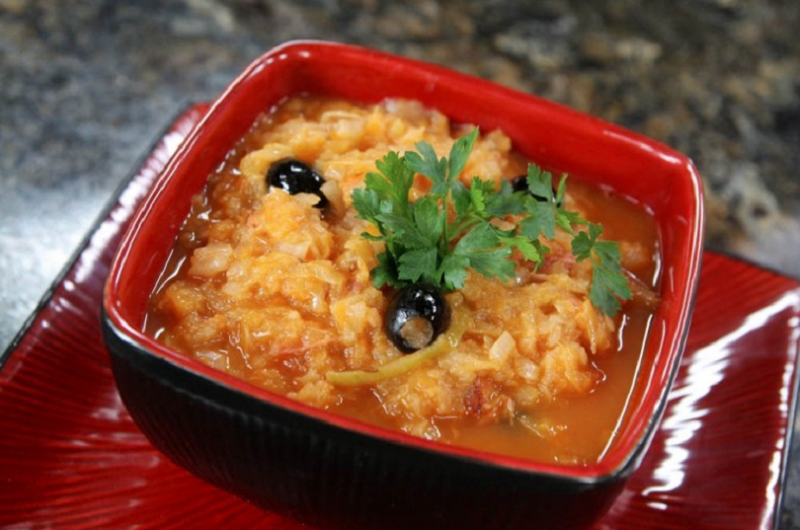
| Bigos. Photo: Damian Klamka/East News |
What shaped Polish cuisine and culture?
Since the 8th century, warming helped pushed up the development of agriculture in Poland, the Slavs were closely bound to the world of nature. As living in harmony with nature, their cuisine was largely based on cereals.
Local forests served as a pantry full of berries, herbs, edible wild plants. Since, most people like the sweet taste, many dishes were flavored with honey.
Later, with the Christian culture in which periods of fasting were strictly obeyed for centuries, cooks had really used their creativeness in order to serve meals that were not only tasty but also in line with the strict rules – abstinence from eating meat.
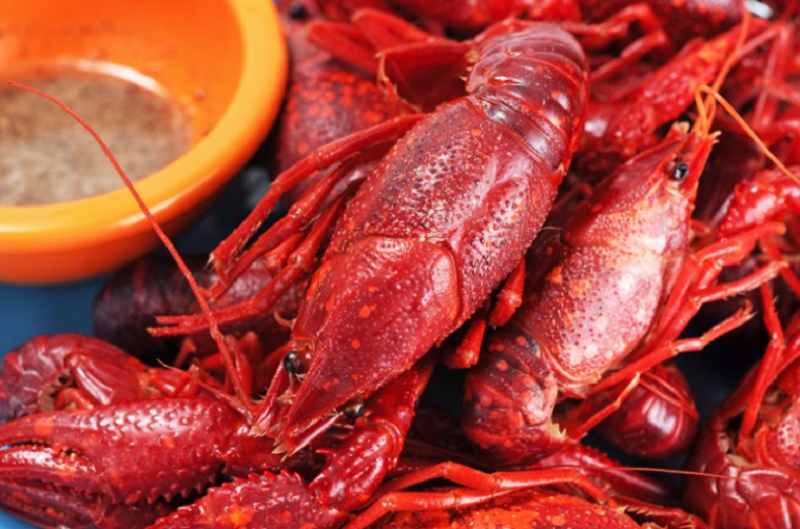
| Crayfish. Photo: East News |
In the 16th century, Polish cuisine became heavily influenced by foreign culinary traditions. Its archaic oriental taste combined species and unusual components, making people more interested in the appearance of dishes and dining tables.
In the 17th century, the skill of organizing parties and the virtue of hospitality were much appreciated, which resulted in a huge pressure of establishing one’s social position. The nobility would emphasize the uniqueness of Polish culinary traditions which were described as exquisite and opulent.
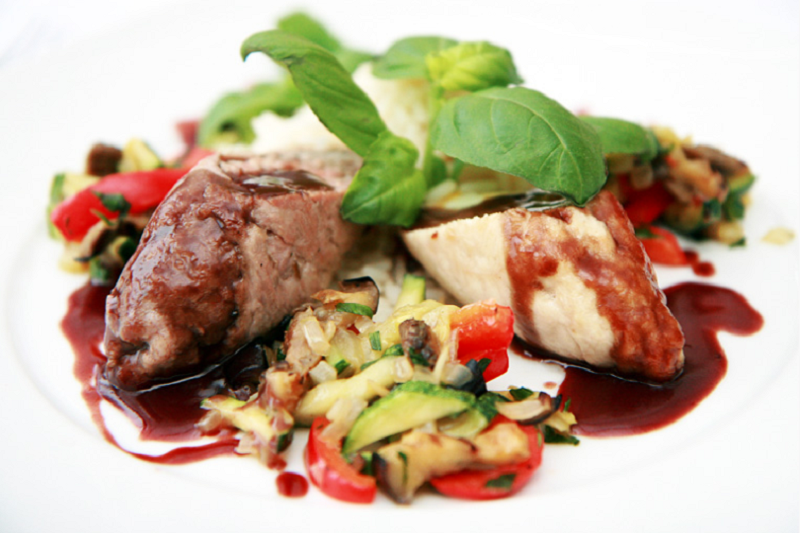
| Beef roulade. Photo: Anatol Chomicz/Forum |
The 18th century marked the popularity of beer. Homemade stronger distilled spirits were popular and imported light wines became increasingly popular.
In the early 20th century, Poland disappeared from the map of the world. However, the spirit of unity helped the Polish nation save its culture and cuisine from oblivion.
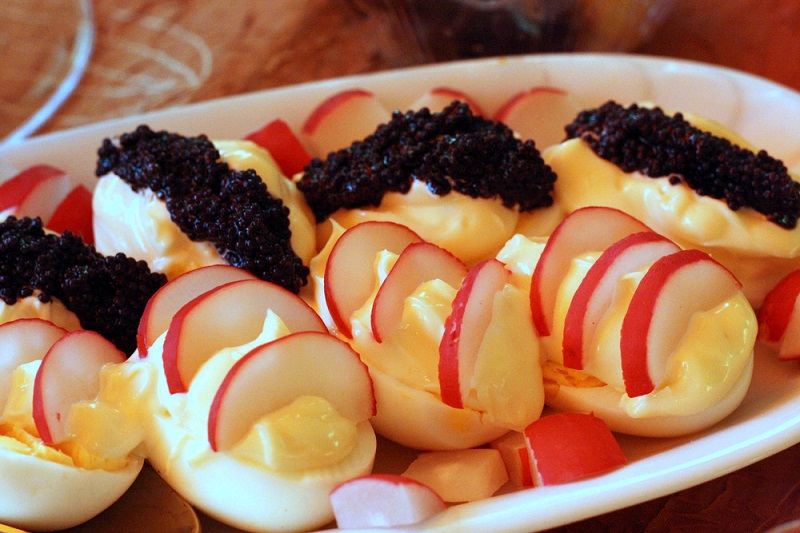
| Creamy deviled eggs with caviar. Photo: Culture.pl |
Accordingly, the economic factor contributed to the increasing popularity of self-help cookbooks with recommendations on a good and cheap way of feeding the whole family, resulting in household management and skillful menu planning.
In the midst of the 20th century, people worked hard to rebuild the country demolished by war, calories value together with financial factors mattered much more than sophisticated flavors and it resulted in the appearance of street food.
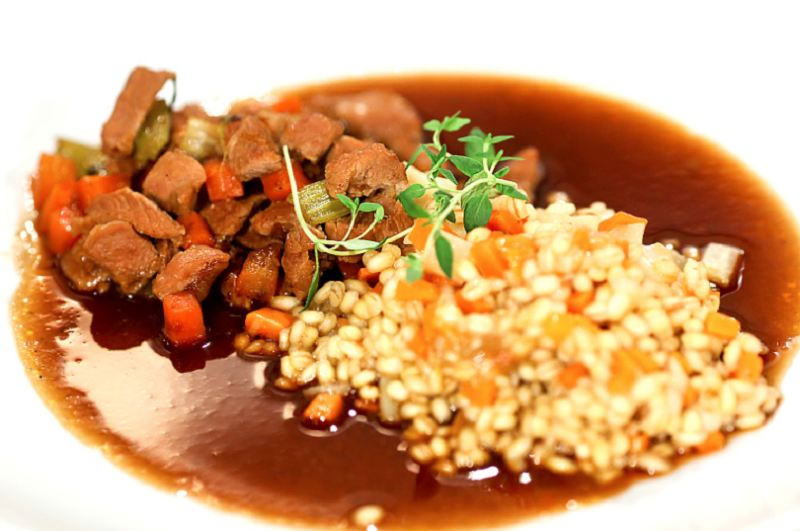
| Goulash with kasha. Photo: Krzysztof Kuczyk/Forum |
Since the political transition in 1989 which resulted in economic changes, shops, restaurants, and catering companies popped up in Poland. Easy import of foreign food enabled restaurants to serve in more foreign dishes. As a result, Italian and Vietnamese cuisine, as well as fast food and sushi, gained popularity.
The 21st century witnessed the development of Polish modern cuisine. Chefs who learned their profession both in Poland and abroad have begun to create their own menus that reflect Polish tradition. The dynamic and creative efforts in developing Polish cuisine were bestowed by the awarding of the first Michelin star in Poland in 2013 to Warsaw-based restaurant Atelier Amaro, run by chef Wojciech Modest Amaro.
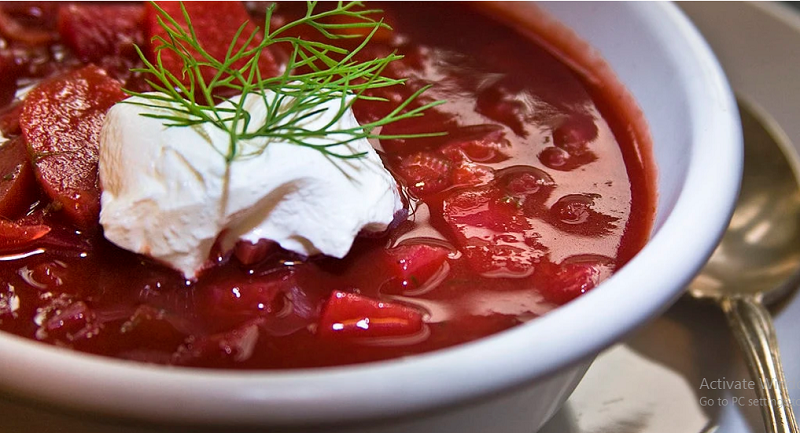
| Barszcz Czerwony. Photo: WikiCommon |
Social changes have resulted in eating habits that focus on food quality, nutritional properties, and production methods, leading to an increasing number of initiatives combining cuisine and art.
Nowadays, Poland appears to be a country of not only amazing landscapes but also plenty of offers for foodies namely food trips, culinary routes, Polish cooking classes, grape harvesting and breakfast served at a shared table and numerous private dining events.
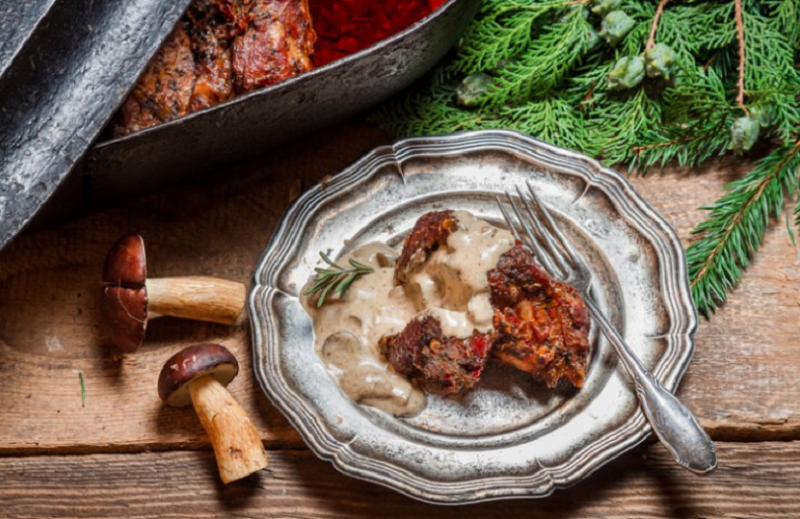
| Game. Photo: East News |
What formed Polish cuisine?
Typical for Polish cuisine are grain-based dishes – groats, bread, and various flour dishes.
For centuries, groats were an integral part of the diet of the inhabitants in Poland. Today, a big comeback of groats can be observed due to their healthy properties.
Meat, meanwhile, has a special place on Polish tables for centuries. Many meat dishes owe their distinctive flavors to their long marinating times. Contemporary Polish cuisine is heavily based on products of animal origin with many popular and well-known dishes.
Shops and restaurants now offer a wide range of cold meat, such as ham, sirloin, loin, and sausage. Some kinds of Polish sausages have ever reached America. Maxwell Street Polish – grilled sausage, onion, and mustard served in a white bun with poppy seeds – has been on Chicago’s culinary map for more than 70 years. Bacon also wins proper attention.
Poultry is also another highly popular type of meat while eggs were an indispensable ingredient of many sweet pastries. In many centuries, the egg is a symbol of spring and the beginning of a new life.
Apart from meat, Polish cuisine also makes full use of offal: livers, lungs, hearts, kidneys, stomachs, brain, or tongues, all of which are served hot or cold.
Rivers, lakes, and the Baltic Sea have always supplied with plenty of fish. In Polish proverb, “Fish, to taste right, must swim three times: in water, in butter, and in wine.”
Meanwhile, milk and dairy products are another popular elements of the Polish everyday menu. Over the last few years, Polish cuisine has witnessed new types of cheese that surprise with taste. Butter and cream are also two important dairy products forming a delicious addition to the dishes.
Vegetables have a special place in Polish cuisine thanks to its healthy properties and farmers cultivate many different vegetables which are used in fusion, vegetarian, and vegan cooking. Today, pickles are back in favor again thanks to their healthy properties and the latest culinary trends. Nowadays, one of the most popular vegetables in Poland is potatoes. Interesting local dishes containing potatoes are found in every Polish region.
For centuries, local people also supplemented their diet with products found in forests. Mushroom and apple are among the main supplements in Polish cuisine.
Species, herbs, and other seasonings have an important role in Polish cuisine. Today, chefs use herbs and spices from all over the world. They create fusion cuisine relying on fashionable ethnic food, adapting them for Polish taste.
Dried fruit and poppy seeds are also important ingredients for various pesto and pastes serving in vegetarian and vegan cuisine.
Honey also has multiple uses in cooking and Poland is home to many kinds of honey which is of distinctive taste and scent, rich in protein, and high acidity.
Alcohol, meanwhile, makes a significant contribution to Polish cuisine and culture. It accompanies traditional festivities. The culture of drinking in Poland is closely bound to inns – establishments for travelers where they could get something to eat and drink. Today, food and alcohol are served inns, restaurants, bars, and hotels.
In addition, Polish cider – the low percentage of alcoholic drinks based on the fermented juice of apple – is now served with meat, fish, cheese and sweet pastries.