Econ
Private sector contributes to Vietnam's swelling foreign debt: Deputy PM
While government debt is declining fast, debt of the private sector is increasing, according to Deputy Prime Minister Vuong Dinh Hue.
Speaking on the issue of Vietnam's increasing foreign debt at the ongoing National Assembly gathering on October 24. Deputy PM Vuong Dinh Hue said while government debt is fast declining, debt of the private sector is increasing.
Last year, Thaibev, through its wholly-owned Vietnam unit Vietnam Beverage, purchased stake at Saigon Beer Alcohol Beverage Corporation (Sabeco) in a deal worth nearly US$5 billion.
As a Vietnamese enterprises, Vietnam Beverage had to secure loan to finance the deal. This debt was taken into account of the country's foreign debt, however, Vietnamese government is not obliged to pay this debt, Hue stressed.
Similarly, Vingroup, Vietnam's largest privately-run conglomerate, secured loans from international financial markets to develop its automobile subsidiary VinFast. According to Hue, those private enteprises are due to repay their respective foreign loans.
When VinFast starts selling their products, they will have the cash flow to pay their debts, Hue said, adding that this could pose the risk of volatility to the USD/VND exchange rate and the USD interest rate. However, the government has anticipated the risk and has measures in place.
With regard to government guaranteed-debt, the Vietnamese government did not guarantee for any enterprise in 2017. In 2018, the government has secured loans for two major projects in the power sector, and plans to restrict this kind of debt in 2019 to ensure public debt safety, Hue concluded.
Over the last three years, the government has been stepping up effort to reduce public debt, he said. Before 2015, the average GDP growth rate was 6% but that of public debt was 18%. As of present, Vietnam's average GDP is 6.7%, while the growth of public debt is 8%.
Vietnam's foreign debt to GDP ratio in 2017 was 45.2% in 2017, and is projected to touch 49.7% of GDP in 2018 and 49.9% in 2019, nearly reaching the limit of 50% of GDP, according to Nguyen Duc Hai, chairman of National Assembly's Finance Budget Committee.
Additionally, government debt is also on the growing trend, which could increase from 51.8% of GDP in 2017 to 52.1% in 2018 and 52.2% in 2019, Hai said at a meeting on October 22.
The cap on government debt is set at 53% of GDP.
Meanwhile, the country's public debt as per GDP has been on the decline, going from 62.6% of GDP in 2017 to 61.4% in 2018, and potentially 61.3% in 2019, which are all below the limit of 65% of GDP set by the National Assembly.
Vietnam's public debt by the end of 2018 is projected to reach VND3,400 trillion (US$145.03 billion), while the government debt is VND2,890 trillion (US$123.29 billion).
The committee expected Vietnam to borrow VND157.13 trillion (US$6.7 billion) in 2018 for principal payment, and VND201.21 trillion (US$8.58 billion) in 2019.

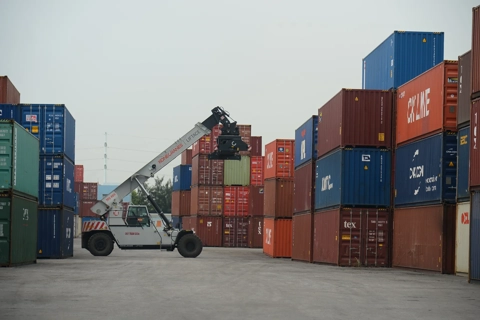
Illustrative photo.
|
As a Vietnamese enterprises, Vietnam Beverage had to secure loan to finance the deal. This debt was taken into account of the country's foreign debt, however, Vietnamese government is not obliged to pay this debt, Hue stressed.
Similarly, Vingroup, Vietnam's largest privately-run conglomerate, secured loans from international financial markets to develop its automobile subsidiary VinFast. According to Hue, those private enteprises are due to repay their respective foreign loans.
When VinFast starts selling their products, they will have the cash flow to pay their debts, Hue said, adding that this could pose the risk of volatility to the USD/VND exchange rate and the USD interest rate. However, the government has anticipated the risk and has measures in place.
With regard to government guaranteed-debt, the Vietnamese government did not guarantee for any enterprise in 2017. In 2018, the government has secured loans for two major projects in the power sector, and plans to restrict this kind of debt in 2019 to ensure public debt safety, Hue concluded.
Over the last three years, the government has been stepping up effort to reduce public debt, he said. Before 2015, the average GDP growth rate was 6% but that of public debt was 18%. As of present, Vietnam's average GDP is 6.7%, while the growth of public debt is 8%.
Vietnam's foreign debt to GDP ratio in 2017 was 45.2% in 2017, and is projected to touch 49.7% of GDP in 2018 and 49.9% in 2019, nearly reaching the limit of 50% of GDP, according to Nguyen Duc Hai, chairman of National Assembly's Finance Budget Committee.
Additionally, government debt is also on the growing trend, which could increase from 51.8% of GDP in 2017 to 52.1% in 2018 and 52.2% in 2019, Hai said at a meeting on October 22.
The cap on government debt is set at 53% of GDP.
Meanwhile, the country's public debt as per GDP has been on the decline, going from 62.6% of GDP in 2017 to 61.4% in 2018, and potentially 61.3% in 2019, which are all below the limit of 65% of GDP set by the National Assembly.
Vietnam's public debt by the end of 2018 is projected to reach VND3,400 trillion (US$145.03 billion), while the government debt is VND2,890 trillion (US$123.29 billion).
The committee expected Vietnam to borrow VND157.13 trillion (US$6.7 billion) in 2018 for principal payment, and VND201.21 trillion (US$8.58 billion) in 2019.