Thi Cam Rice Cooking Contest becomes National Cultural Heritage
The ancient practice of farmers in the north of Vietnam has become an intangible cultural heritage associated with the country’s wet rice civilization.
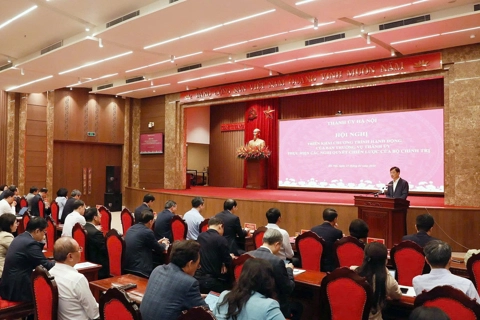
Nam Tu Liem District People’s Committee on September 13 held a ceremony to receive the Certificate of National Intangible Cultural Heritage for the Thi Cam Rice Cooking Contest and the inauguration of Thi Cam Communal House on September 13.
The unique ritual of Thi Cam Rice Cooking Contest
| The Thi Cam Rice Cooking Contest is held once a year on the occasion of the Lunar New Year. Photo: mtntrip.com |
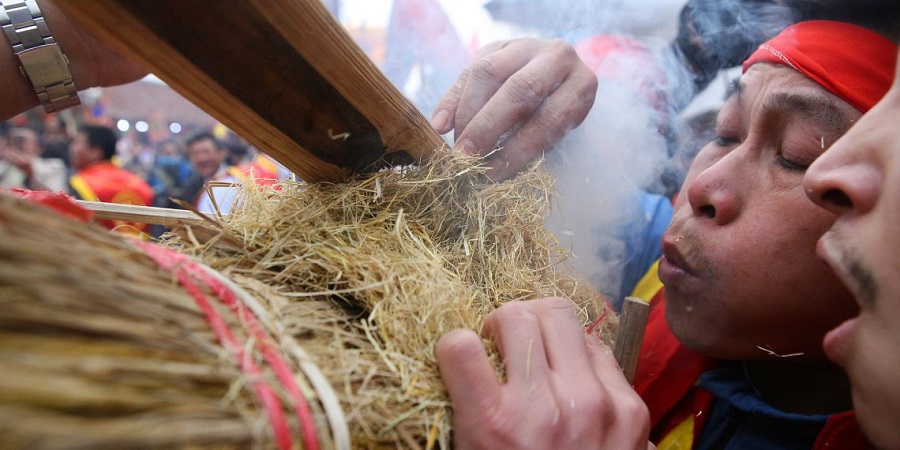
As a country with a wet rice civilization, rice cooking competitions are widely held in Vietnamese village festivals, expressing their respect and gratitude for rice. One of the liveliest is celebrated on the 8th day of the first lunar month at Thi Cam Village in Xuan Phuong Ward, Hanoi’s Nam Tu Liem District today.
This is a yearly competition to pay tribute to General Phan Tay Nhac, the tutelary God of Thi Cam Village. The custom is also aimed at praying for a prosperous, happy, and peaceful new year.
Legend has it that in the reign of the 18th Hung King, General Phan Tay Nhac, while leading his troops through the village, organized a rice cooking contest to find his army’s cook. After expelling the invaders, he married the king's niece and returned to the village. Along with his wife, Princess Ho Dung, he taught the locals farming and weaving techniques.
After their death, the couple was worshiped as deities and guardians of the village. A rice cooking contest is annually held by the village to pay homage to them. Especially once every five years, a grand ceremony is held.
| The ritual is said to honor General Phan Tay Nhac of the Hung King regime. Photo: mtntrip.com |
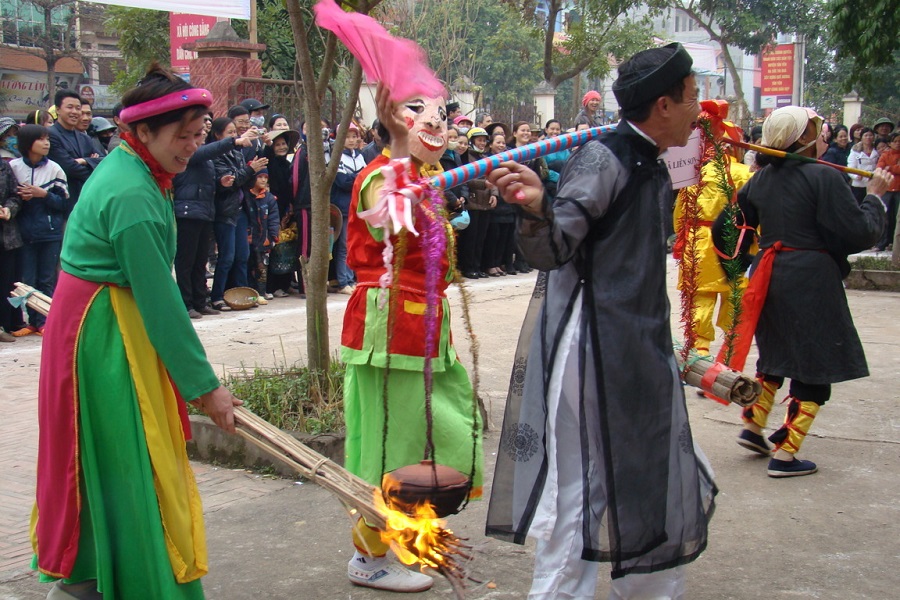
There are four teams in the contest. Each team has 10 members who, in traditional dress, have to run to the Nhue River nearby to take water to the village. There is an award for the fastest team.
In addition, there is another award for the fastest fire-lighting in the traditional way with bamboo and straw, without using a lighter or a match.
Moreover, they also have to get the rice ready for cooking such as husking by grinding in the mortar and screening to remove rice husks and grit, before washing the rice in water.
The teams only have about 30 minutes from the time the fire is made until the rice is cooked. When all four rice batches are done, they are judged by the elders in the village. The winning rice cooker features the most delicious rice.
After the winning team is announced, the rice is shared with all villagers. They believe that adults who eat rice will have a year full of luck and children will grow up quickly. The contest is the pride of Thi Cam Village which has been lively and organized for centuries until today.
Thi Cam Communal House embellishment
| The certificate receiving ceremony of the Thi Cam Rice Cooking Contest as a National Intangible Cultural Heritage and the inauguration of Thi Cam Communal House took place on September 13. Photo: Nha Trang |
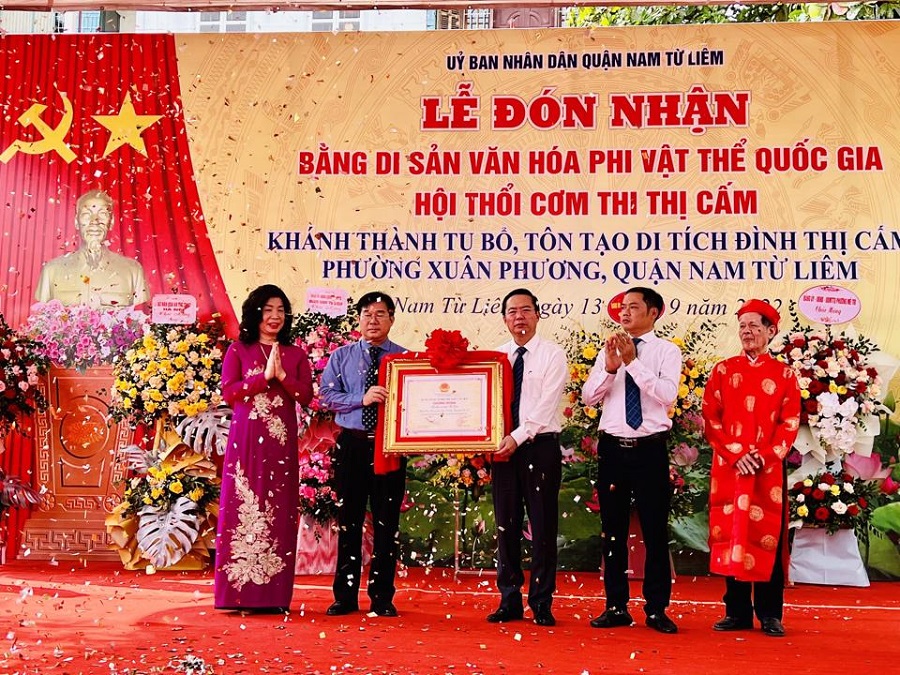
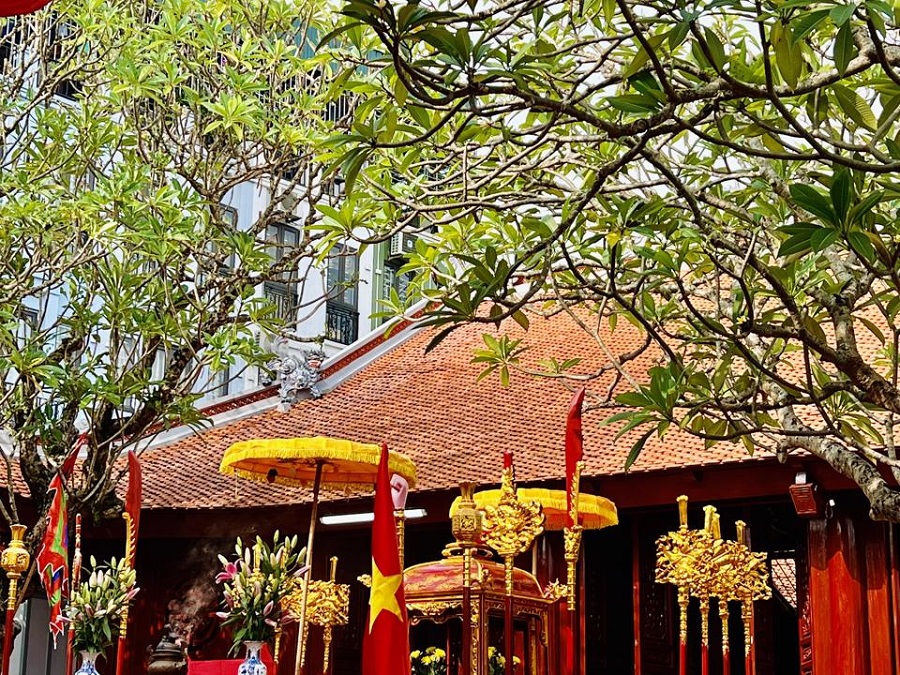
On the same day, September 13, Nam Tu Liem District also inaugurated the renovated Thi Cam Communal House.
During the period of 2021 - 2022, the District People’s Committee invested over VND14.9 billion or US$630,000 for the task.
According to Vice Chairman of Nam Tu Liem District People’s Committee Tran Thanh Long, this is a practical activity to preserve a precious relic of Hanoi as well as contribute to improving the value of intangible cultural heritage Thi Cam Rice Cooking Contest.
“The fact that the Cam Rice Cooking Contest has become a national intangible cultural heritage is both a pride and a responsibility of each local people in preserving and promoting the value of the ancestor’s heritage” he stated.
He urged relevantly unites from Nam Tu Liem District and Xuan Phuong Ward to continue propagating to local people about the value of the heritages, thereby, better manage them in compliance with the Law on Heritage as well as the Regulation on Relics Management and Code of Conduct, which was issued by the municipal People’s Committee.
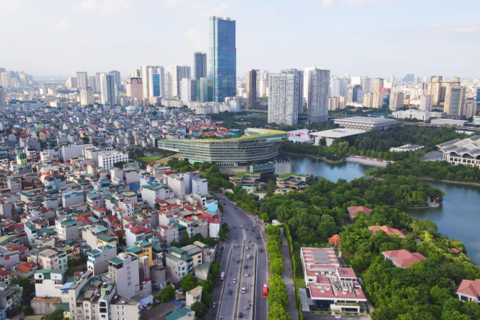
Nam Tu Liem district to the west of Hanoi city is famous for being a rich land with diversified cultural identities. Earlier, “Moc village festival” of Trung Van Ward and “The sisterhood celebration ceremony between Phu My and Kieu Mai villages” of Phuc Dien Ward were also honored as “national intangible cultural heritages” by the Ministry of Culture, Sports and Tourism.
| The Cam Communal House after renovation. Photo: Nha Trang |