Vietnam awaits Trans-Pacific Partnership signing
At the close of the latest round of the Trans-Pacific Partnership (TPP) negotiations, chief negotiators were quoted as saying the finish line is in sight and they expect to cross it in the first quarter of 2015.
The twelve countries negotiating the TPP include the US, Japan, Canada, Singapore, Mexico, Australia, Malaysia, Chile, Peru, New Zealand, Brunei and Vietnam.
Collectively they account for 22.9% of the world’s land mass, 11.2% of the population, 38.6% of the gross domestic product (GDP), 19.3% of the export value and 21.1% of the import value.
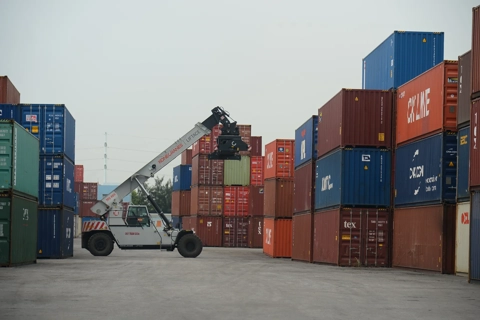
The latest available statistics show that Vietnam’s export turnover to other TPP member countries jumped more than threefold in the eight years leading up to 2015 to strike US$51.58 billion while its imports were US$30.17 billion.

Through the TPP, Vietnam is seeking to help establish a trade and investment framework that supports job creation, promotes the nations competitiveness and expands trade.
Vietnam’s participation in the TPP is well founded as there is near unanimity among leading economists that the nation’s economy will be the largest beneficiary on the TPP track.
The TPP will promote strong trade with the US and other member nations, provide high protection for the apparel and footwear sector in foreign markets, which are Vietnam’s principal exports, and it will put Vietnam in a strong competitive position in these and other manufacturing industries where China’s comparative advantage is fading.
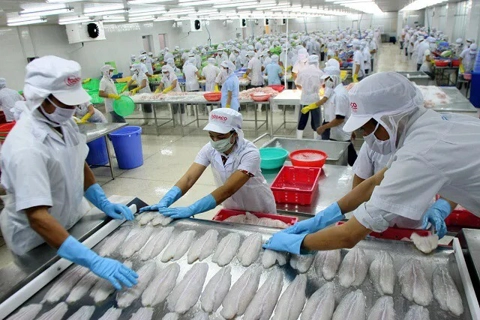
Specifically they have said the TPP will help create favourable conditions for the nation’s exports to grow thanks to such factors as the huge market and zero import tariffs on substantially all exports – which will benefit Vietnam’s strengths in the garment and textile, footwear, seafood, wood products and agriculture sectors.
On the reverse side however, the reduction of import tariffs TPP will bring with it fierce competition in the domestic market and some key products of the country will meet increased challenges including pork, beef, sugar, wine, egg and paper to name only a few.
Vietnam is blessed with a young and highly-educated workforce, a sizeable domestic market and geographical advantages. The TPP will increase Vietnam’s appeal as an investment destination and increase the flow of foreign direct investment (FDI).
It will result in higher incomes for Vietnamese workers and enable the country to invest more in own economy and grow more rapidly. This growth will in turn amplify the country’s competitive advantages, they have said.
Economists also have said that the TPP brings with it some challenges.
Most significantly it will require domestic economic and industrial structural changes. This will be difficult, particularly for a developing country like Vietnam that needs time and long-term strategy for upgrading its industrial base.
Another challenge is the negative ramifications to the State budget. When the TPP comes into effect, it will place a burden on the State budget as revenues from import tariffs decline.
The TPP is a new model of economic cooperation that Vietnamese businesses and citizens nationwide are anxiously awaiting to come into effect for the common socio-economic development of the nation.