Vietnam expected to be a link of global vaccine supply chain
Joining the global vaccine supply chain will help Vietnam enhance its ability in countering current and future pandemics and achieve a number of its strategic goals, experts said.
Vietnam is currently facing an extremely complicated Covid-19 outbreak, in which a high number of new cases and deaths are reported daily over the past weeks, mainly in Ho Chi Minh City and neighboring provinces.
There are infection cases of unknown sources detected in many provinces and cities, including Hanoi.
The Delta variant is the dominant strain in the fourth wave of the Covid-19 outbreak in Vietnam, due to its high transmissibility.
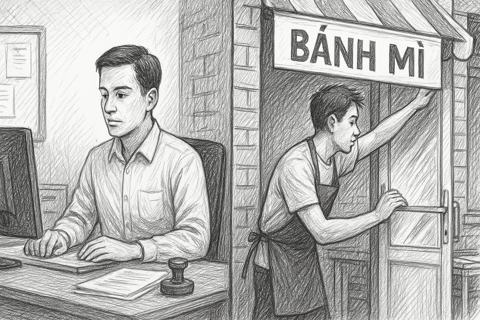
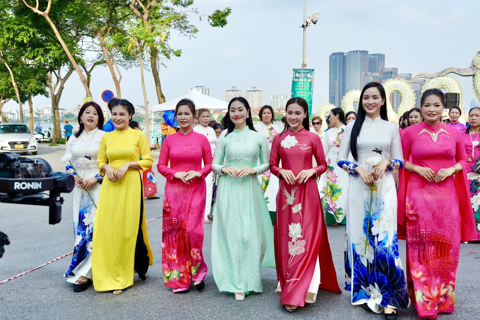
| Dr. Pham Cong Hiep (L), RMIT Research Cluster Lead & Dr. Majo George, RMIT School of Business and Management lecturer. Photo: RMIT Vietnam |

With such a negative development, the Vietnamese health system is under great pressure to achieve herd immunity at the soonest. For that purpose, at least 70% of the entire population of nearly 98 million should be vaccinated. However, as of August 18, the country has administered only around 15 million vaccine doses. Therefore, the production of vaccines in the country is more imperative than ever.
Vietnam should take actions to speed up domestic vaccine production, RMIT Vietnam's experts told The Hanoi Times.
Enhance Vietnam’s ability in countering current and future pandemics
RMIT Research Cluster Lead Dr. Pham Cong Hiep said while the home-grown Nano Covax Covid-19 vaccine by Nanogen has reached stage three of the clinical trial, it has not gotten approval for emergency use.
“Once fully functional, Nanogen would be capable of manufacturing 20 to 30 million doses, and up to 100 million doses per year to satisfy both domestic and export demand,” Dr. Hiep added.
“Though it seems Nanogen can satisfy Vietnam’s vaccine domestic demand, its Nano Covax vaccine candidate has not reached final approval stage of mass production while the worsening situation of Covid-19 globally would require a more proactive approach to ensuring sufficient supplies of the vaccines for the near future.”
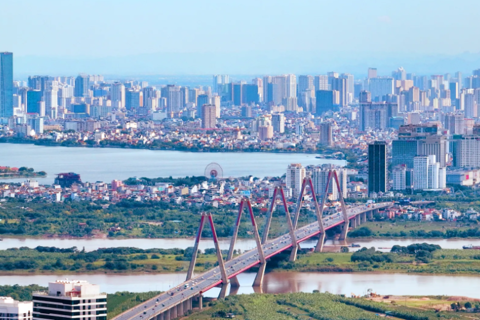
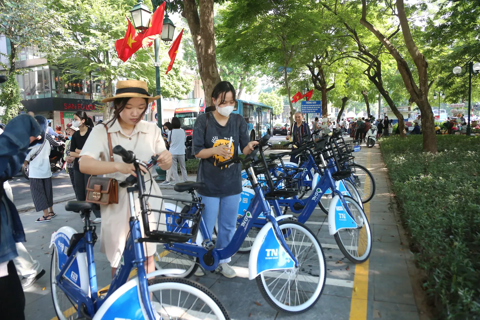
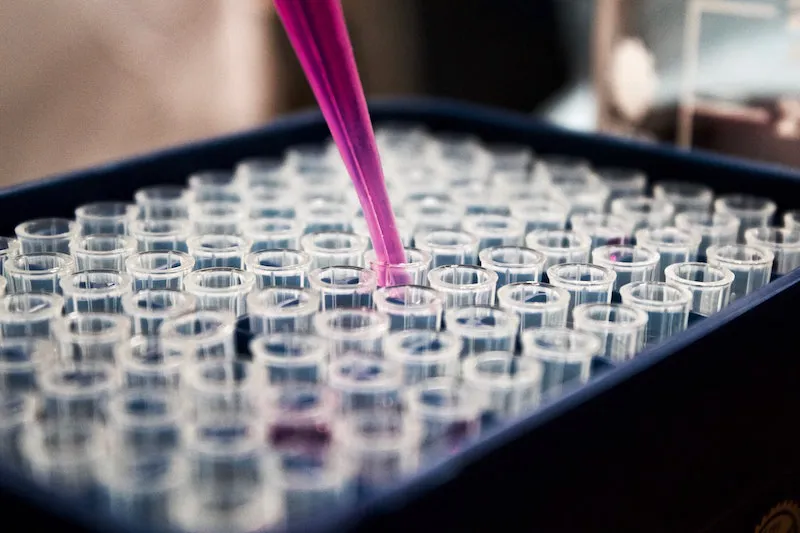
| Being a link in the vaccine supply chain can enhance the country’s ability to counter future pandemics. Photos: RMIT Vietnam |
He said it is clear the government is taking decisive steps to make Vietnam a global source of vaccine supply through technology transfer agreements and domestic research and development.
Several vaccine transfers and production initiatives have been supported by the Ministry of Health (Decision 2301/QD-BYT), to beef up Vietnam’s vaccine production to around 200 million doses by the first half of 2022, he underlined.
“In addition to that, Vietnam has successfully secured technology transfer from Japan and Russia. The transfer of Sputnik vaccine technology from Russia is expected to be completed by the end of 2021.”
Joining the global vaccine supply chain, according to Dr. Hiep, will help Vietnam to achieve a number of its strategic goals.
“First of all, Vietnam can leverage its high-quality infrastructure in industrial zones, and experienced workers in many high-tech firms to participate more deeply in the value chain of vaccine production,” he explained.
“Furthermore, being able to master complex vaccine production know-how and establishing world-class vaccines production capacity in large volume can ensure that Vietnam reaches its target of vaccination coverage of at least 70% of the population by the second quarter of 2022.
“Last but not least, it can help reduce global shortages and make vaccines more affordable to less developed countries like Vietnam.”
“Being a link in the vaccine supply chain can enhance the country’s ability to counter future pandemics as Covid-19 may not be the last,” Hiep said.
Identify challenges
RMIT School of Business and Management lecturer Dr. Majo George analyzed the challenges local manufacturers might face when acquiring vaccine tech transfer and starting production in Vietnam.
Dr. George said the first challenge is to find a local manufacturer with adequate capacity to produce Covid-19 vaccines.
“Manufacturing Covid-19 vaccines require high technical know-how, rare raw materials, and equipment, which many developing countries lack,” he said.
“The complexity in the supply chain might create a huddle for countries like Vietnam in accessing the technology transfer,” Dr. George added.
“A recent study indicated that the Pfizer vaccine supply chain requires 280 components from 86 suppliers in 19 countries, along with specialized equipment and trained personnel.”
He emphasized that although Vietnam may take part only in the fill-and-finish stage of vaccine production, investment in advanced technology, capital, and human resource training becomes essential for the national vaccine production plan.
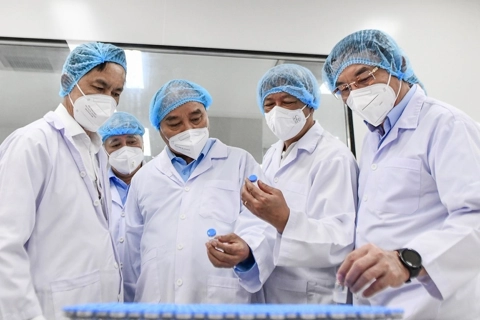
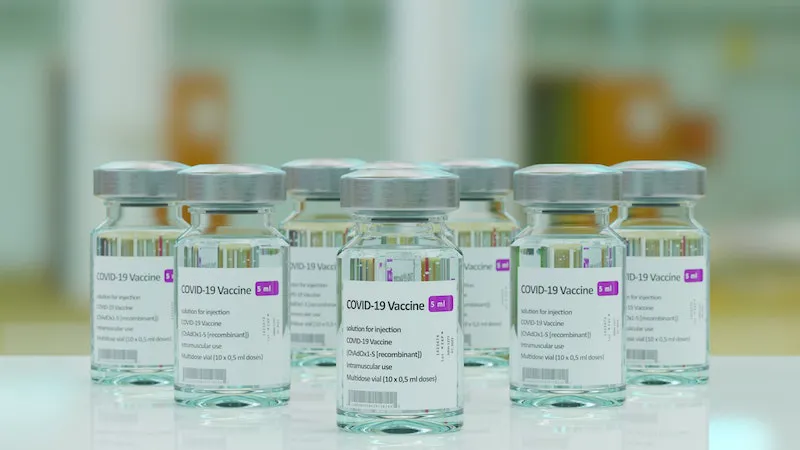
| Local manufacturers might face challenges when acquiring vaccine tech transfer and starting production in Vietnam. |
Dr. George pointed out another challenge, which is to access reliable supplies in a short time when the current outbreak of the new Delta variant of the Covid-19 has adversely affected existing global supply chains.
“The raw materials needed can vary from basic ones like buffers, resins, sodium chloride, to consumables such as single-use containers, tubing, sterile filters, vials, stoppers to mention a few,” he said.
“Delays of some of these are forecast to be 12 to 15 months. For some of the key materials like vials, syringes, stoppers, seals, there are only limited suppliers and it hinders the supplier base growth," he added. “To worsen the situation, some developed countries have taken excess ordering for safety stock which leads to further shortage and inefficiencies across the industry.”
Dr. George said the international travel restrictions and quarantine requirements are causing delays for vendors to provide experts on site for installation of the new equipment and to provide training for the local staff.
“It is expected that there will be long delays to commission new facilities,” he added.
He also commented on the limited resources and supply sources at the moment. There are only five large pharmaceutical companies involved in vaccine development and production and the endless debate on patents has not allowed the transfer of vaccine technology to be as speedy as expected.
“Large pharmaceutical companies have been unwilling to join it, preferring to pursue lucrative bilateral deals with wealthy countries instead,” Dr. George concluded.