Vietnam kicks off project to combat zoonotic disease risks from wildlife
The risk of disease transmission is a convincing argument for banning wildlife trading in Vietnam because safeguarding public health is a top priority for the Government.
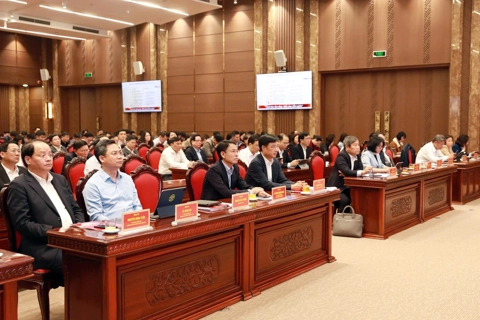
An international-supported project has been launched in Vietnam to reduce zoonotic disease risks at high-risk wildlife facilities with the financial support of the European Union.
Covid-19 has brought people's attention to zoonotic diseases – transmitted between animals and humans – and the risks of bush meat consumption to global health security. However, wildlife trade continues to be a common source of livelihood in many countries in Southeast Asia.
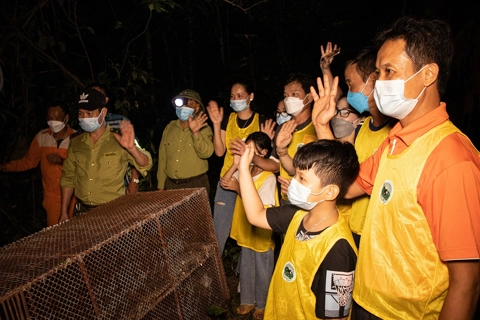
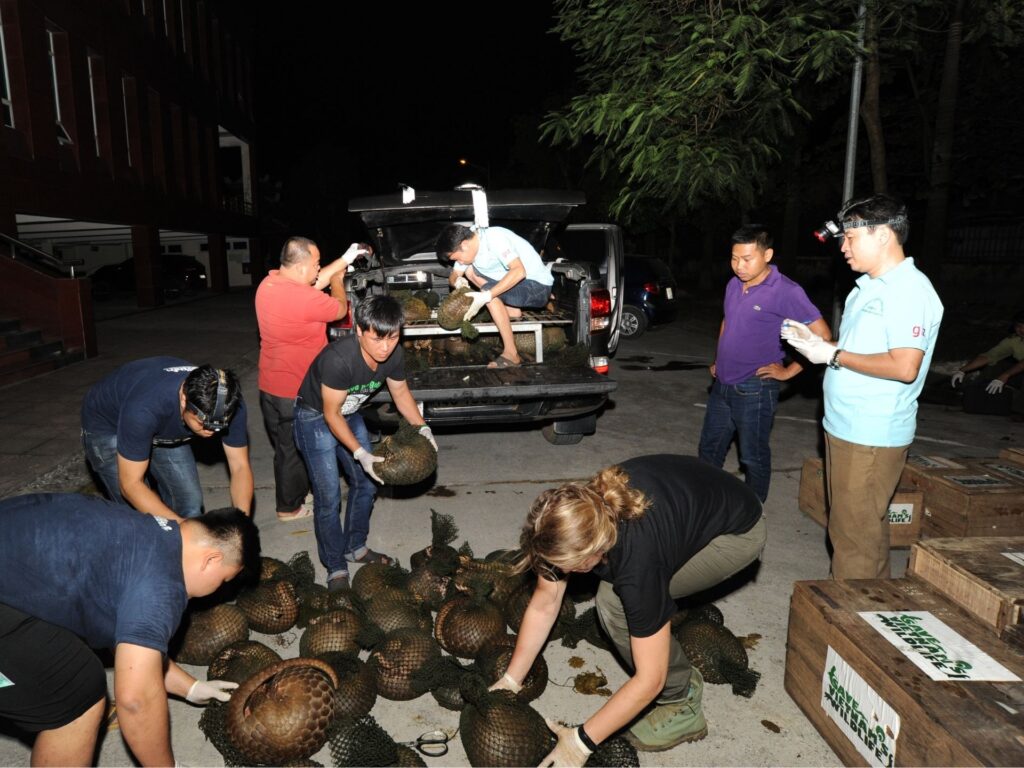
| Pangolin rescue. Photo: Save Vietnam's Wildlife |
For that reason, the Safety Across Asia for the Global Environment (SAFE) project was kicked off by Vietnam’s Ministry of Agriculture and Rural Development of Vietnam (MARD) in close collaboration with the Food and Agriculture Organization of the United Nations (FAO), the United Nations Office on Drugs and Crime (UNODC), and the United Nations Environment Programme (UNEP).
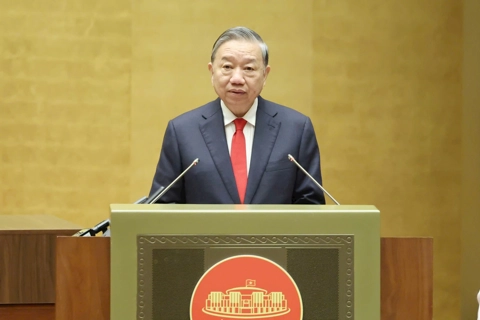
Vuong Tien Manh, Deputy Director of the Vietnam CITES Management Authority under MARD, stated that this project would boost the Government’s effort toward reducing the risks of wildlife trade and bush meat consumption.
He said the project would reinforce Vietnam’s work and help improve captive wildlife management according to the draft national plan as the Government of Vietnam, over the pasts few years, has been strengthening surveillance systems, promoting responsible wildlife trade practices while preserving livelihoods, enhancing biosecurity in farms and markets, and improving awareness of zoonotic diseases.
Collective efforts to protect health and livelihoods
The SAFE project is a joint initiative implemented in Lao People’s Democratic Republic, Sabah state (Malaysia), Thailand, and Vietnam.
FAO Vietnam Emergency Center for Transboundary Animal Diseases (ECTAD) Senior Technical Coordinator, Pawin Padungtod, said that FAO implements the SAFE project in Vietnam and supports the government in identifying high-risk facilities, including the socio-economic impact and risk mitigation. It enables the development of improved national policies and regional cooperation toward better pandemic prevention and preparedness.
The project will also support the development of regional biosafety standards and joint strategies within the Association of Southeast Asian Nations (ASEAN), ultimately strengthening cooperation and sharing best practices between Vietnam and other ASEAN countries.
Through the One Health approach, efforts are also being made to enhance collaboration between the public health, animal health and environmental sectors. "The SAFE project was conceived with a clear focus on reducing the risks of future pandemics by targeting both health and crime risks associated with wildlife facilities," says Jenna Dawson-Faber, UNODC SAFE project coordinator.
"It requires collective action among stakeholders to achieve this purpose. And I am grateful that Vietnam and other project countries are continuing to engage with all relevant partners to ensure the project results will benefit the country, ASEAN, and global communities," she stated.
The SAFE project is implemented by the UNODC Global Programme on Crimes that Affect the Environment, in cooperation with the United Nations Environment Programme (UNEP) and the Food and Agriculture Organization of the United Nations (FAO), and benefits from the financial support of the European Union.
Vietnam’s efforts
Vietnam has been identified as a country at high risk for the emergence and re-emergence of zoonotic diseases, according to the authors of “Zoonotic pathogens and diseases detected in Vietnam” book.
Because wildlife farms and traders don't adhere to the same health and hygiene standards as livestock farms in Vietnam, the illegal wildlife trade and farming poses a serious threat to the health of people and domestic animals. Since the health of wild animals being traded illegally is not inspected, the illegal wildlife trade may spread numerous diseases to human populations.
The Vietnamese Government prioritizes maintaining public health, so the risk of disease transmission is a compelling justification for outlawing wildlife trade.
A framework for One Health investigation and response to these illnesses was established after the Vietnamese Government identified five priority zoonoses, including highly pathogenic avian influenza, rabies, leptospirosis, anthrax, and Streptococcus suis.
One Health is an integrated approach that calls for increased multidisciplinary and intersectoral cooperation and communication to address diseases that emerge at the human-animal ecosystem interface and threaten animal and human health. One Health embraces the inextricable links between the health of humans, animals, and the ecosystems they inhabit.
According to FAO, Vietnam was one of the first countries in the region to adopt a multi-sectoral approach in 2003, which became a One Health approach in 2010 through the endorsement of the Hanoi Declaration at the International Ministerial Conference on Animal and Pandemic Influenza.
One Health has been applied to the control and prevention of SARS, HPAI H5N1, rabies, and Ebola virus disease in Vietnam. Vietnam’s strong commitment to fighting highly pathogenic avian influenza (HPAI) is the major factor behind the success of the containment of H5N1 disease.