Econ
Vietnam targets to have 100,000 agribusinesses by 2030
Vietnam’s agricultural sector is facing three major challenges, including low productivity, risks from climate change, and fierce competition from the global integration process.
Vietnam targets to have 80,000 – 100,000 enterprises operating in the agricultural sector by 2030, serving the goal of promoting agricultural production and competitiveness of its products, according to a government resolution.
By 2030, the value of Vietnam’s agricultural products is expected to grow 3% annually and export growth 6 – 8%.
As of present, Vietnam has over 50,000 enterprises operating in the agricultural sector, including 10,200 involving directly in the production process.
However, the number remains modest, accounting for merely 8% of total enterprises, and the number of production enterprises amounted to 1%. Meanwhile, the production model is mostly at small scale with over 9.2 million households, the productivity in the sector is equal to 38% of Vietnam’s average and lower than most sectors in the economy.
Another issue is low application of technologies in the sector, as only 5% of the total number of agricultural enterprises having acquired the Vietnamese Good Agricultural Practices (VietGAP) standards.
Nevertheless, Vietnam’s agricultural sector has huge potential for development, especially in land fund, human resources and opportunities coming from the Fourth Industrial Revolution, stated the resolution.
Over the past few years, the sector has witnessed rapid growth rate, resulting in significant improvements in productivity and products quality.
According to the resolution, a strong growth in the agricultural sector ensures the country’s national food security and makes Vietnam the second largest agricultural exporter in Southeast Asia, the 15th in the world with 10 goods and products under the category of agriculture – forestry – fishery having export turnover above US$1 billion, including six with over US$3 billion.
More importantly, the government identifies enterprises as the driving force facilitating the development of agricultural production value chain towards modernization and large scale production.
Earlier this year, Prime Minister Nguyen Xuan Phuc expected Vietnam to join the world’s top 15 most advanced countries in agriculture in the next 10 years, and its food processing in the top 10.
Vietnam aims to become the world’s leading wood processing and exporting country, and a major shrimp exporter in the world market, said Phuc.
To achieve these targets, Phuc requested the agricultural sector to maintain a growth rate of 3% annually, and exports of US$42 billion – US$43 billion per year.
Minister of Agricultural and Rural Development Nguyen Xuan Cuong said Vietnam’s agricultural sector is facing three major challenges, including low productivity, risks from climate change, and fierce competition from the global integration process.
Cuong stated Vietnam would continue to restructure the sector, focusing on developing national, provincial and local agricultural products.
Each item should have a production chain value and target specific market, particularly rice, fruits, fisheries and forestry, Cuong added.

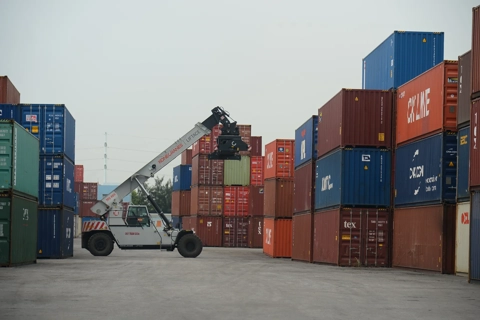
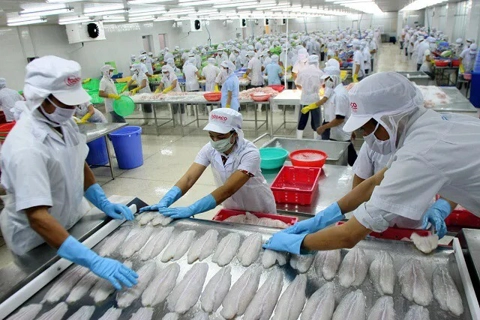
Illustrative photo.
|
As of present, Vietnam has over 50,000 enterprises operating in the agricultural sector, including 10,200 involving directly in the production process.
However, the number remains modest, accounting for merely 8% of total enterprises, and the number of production enterprises amounted to 1%. Meanwhile, the production model is mostly at small scale with over 9.2 million households, the productivity in the sector is equal to 38% of Vietnam’s average and lower than most sectors in the economy.
Another issue is low application of technologies in the sector, as only 5% of the total number of agricultural enterprises having acquired the Vietnamese Good Agricultural Practices (VietGAP) standards.
Nevertheless, Vietnam’s agricultural sector has huge potential for development, especially in land fund, human resources and opportunities coming from the Fourth Industrial Revolution, stated the resolution.
Over the past few years, the sector has witnessed rapid growth rate, resulting in significant improvements in productivity and products quality.
According to the resolution, a strong growth in the agricultural sector ensures the country’s national food security and makes Vietnam the second largest agricultural exporter in Southeast Asia, the 15th in the world with 10 goods and products under the category of agriculture – forestry – fishery having export turnover above US$1 billion, including six with over US$3 billion.
More importantly, the government identifies enterprises as the driving force facilitating the development of agricultural production value chain towards modernization and large scale production.
Earlier this year, Prime Minister Nguyen Xuan Phuc expected Vietnam to join the world’s top 15 most advanced countries in agriculture in the next 10 years, and its food processing in the top 10.
Vietnam aims to become the world’s leading wood processing and exporting country, and a major shrimp exporter in the world market, said Phuc.
To achieve these targets, Phuc requested the agricultural sector to maintain a growth rate of 3% annually, and exports of US$42 billion – US$43 billion per year.
Minister of Agricultural and Rural Development Nguyen Xuan Cuong said Vietnam’s agricultural sector is facing three major challenges, including low productivity, risks from climate change, and fierce competition from the global integration process.
Cuong stated Vietnam would continue to restructure the sector, focusing on developing national, provincial and local agricultural products.
Each item should have a production chain value and target specific market, particularly rice, fruits, fisheries and forestry, Cuong added.