Vietnam textile industry falls short of US$42-billion export target
Vietnam’s textile and apparel exports in 2020 are set to decrease by 10% against 2019 to US$35 billion.
A disruption of the global supply chain for input materials and a sharp decline in the number of orders due to the Covid-19 pandemic are severely impacting Vietnam’s textile industry, making it difficult to realize the US$42-billion garment export target set for this year.
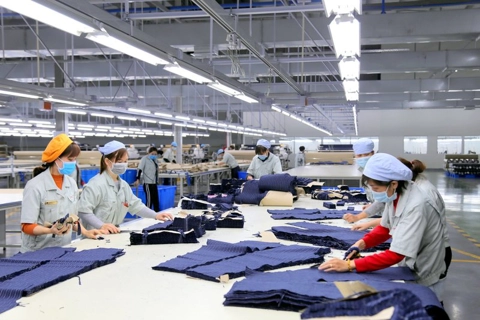
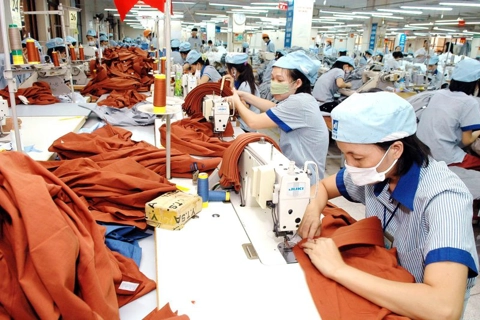
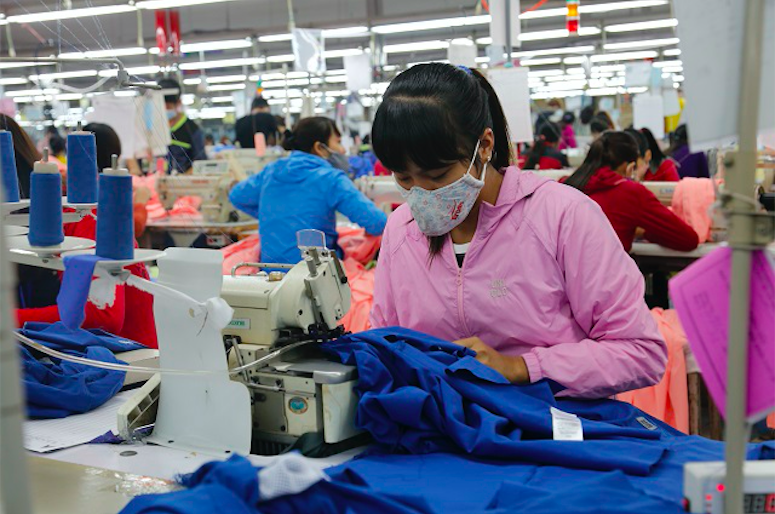
| Vietnam's textile industry is among the hardest-hit sectors by the Covid-19 pandemic. Photo: Hai Linh. |
Along with tourism, aviation and footwear, textile is one of the hardest-hit sectors by the Covid-19. According to statistics from the Ministry of Industry and Trade (MoIT), the export turnover of the industry declined by 9.3% year-on-year in the first ten months of 2020 to US$24.76 billion.
At this time of last year, Vietnamese textile firms were flooded with pre-orders even for the first half of the following year. However, the Covid-19 pandemic has changed customers behavior globally as the world is now focusing on basic necessities and health equipment. As a result, many are facing the risk of having no orders in the final months of the year.
Vu Duc Giang, president of the Vietnam Textile and Apparel Association (VITAS), said major markets for Vietnam’s textile and apparel products are currently struggling with the Covid-19 pandemic, causing declines of 80 – 90% in their purchases.
Therefore, Vietnam’s textile and apparel exports in 2020 are set to decrease by 10% from 2019 to US$35 billion, said Mr. Giang.
General Director of Ho Guom Garment Company Phi Ngoc Trinh said current orders only reach 60% of the year’s plan. In a normal situation, by the time of the third quarter, enterprises would receive enough orders for the whole following year. However, this year, the company’s exports are projected to decline by 10% against last year to US$30 million.
Adopting to new situation
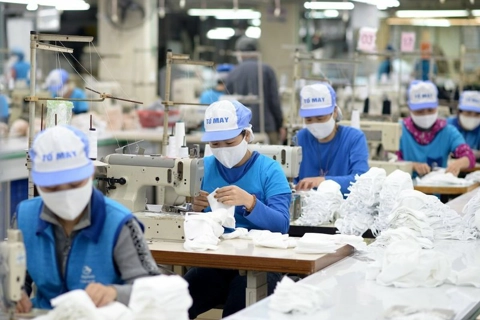
In fact, difficulties that local enterprises are facing are similar to the global situation, as demand in the international textile and apparel market has significantly shrunk. To adapt to the new situation, many firms have now shifted their production from traditional products to protective clothes to stay afloat.
Deputy Head of the Import – Export Department under the Ministry of Industry and Trade (MoIT) Tran Thanh Hai said the lack of buyers is the most important issue for local enterprises at the present.
So far, the MoIT is actively searching for new markets for Vietnam’s textile products, including the organization of online supply – demand connection events.
Minister of Industry and Trade Tran Tuan Anh urged Vietnamese enterprises to change their operations and form production chains, arguing this is key for them to enhance resilience against market volatility.
Moreover, local enterprises are still relying on input materials from China, which could become a major obstacle if they want to enjoy preferential treatments from the EU – Vietnam Free Trade Agreement (EVFTA), in which the compliance to the rule of origin is essential.