Econ
Vietnam works towards new development stage: Deputy PM
Vietnam is working towards a new stage of economic development by accelerating its economic restructuring, and new growth model shifting and improving its market economy.
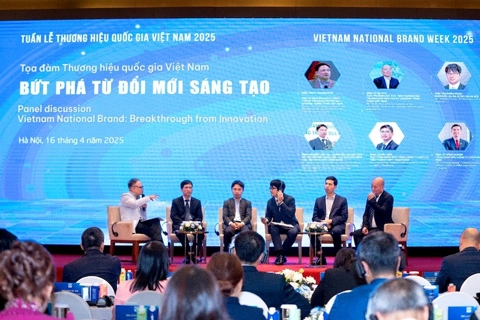
Deputy Prime Minister Nguyen Xuan Phuc made the statement while addressing the World Economic Forum on East Asia 2015, which opened its plenary session in Jakarta, Indonesia on April 20.
The Deputy PM added that Vietnam has also been making responsible contributions to the formation of the ASEAN Economic Community and cooperation mechanisms in the region while remaining actively involved in negotiating many major free trade agreements.
According to the Deputy PM, East Asia has a number of opportunities for cooperation, but stability and development in the region face challenges caused by climate change, strategic competition, territorial disputes and security and safety of navigation and aviation.
He highlighted that sea disputes must be solved by peaceful measures based on international law, including the United Nations Convention on the Law of the Sea .
He continued affirming that Vietnam works with other countries and partners on the principles of cooperation, honesty and mutual trust in order to build a peaceful and stable environment in the region.
Addressing the event, Indonesian President Joko Widodo underscored the importance of cooperation among East Asian countries for prosperity in the region.
The forum is an annual event held with the goal to increase and expand economic cooperation among countries in the region and between East Asian countries with other regions in the world.
The Deputy PM added that Vietnam has also been making responsible contributions to the formation of the ASEAN Economic Community and cooperation mechanisms in the region while remaining actively involved in negotiating many major free trade agreements.
Panorama of the opening ceremony of the World Economic Forum on East Asia 2015
|
He highlighted that sea disputes must be solved by peaceful measures based on international law, including the United Nations Convention on the Law of the Sea .
He continued affirming that Vietnam works with other countries and partners on the principles of cooperation, honesty and mutual trust in order to build a peaceful and stable environment in the region.
Addressing the event, Indonesian President Joko Widodo underscored the importance of cooperation among East Asian countries for prosperity in the region.
The forum is an annual event held with the goal to increase and expand economic cooperation among countries in the region and between East Asian countries with other regions in the world.