Econ
Vietnam’s automobile industry – Brighter outlook and fierce competition
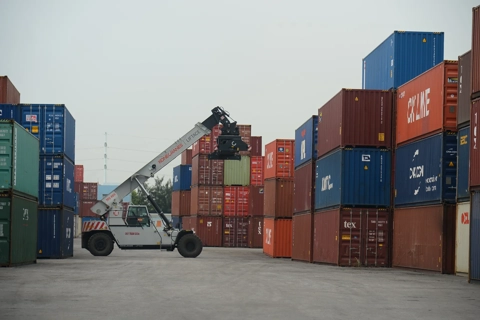
In the January – August period of 2019, Vietnam imported 87.6 thousand completely built-up (CBU) cars, up 213% year-on-year.
Car sale boomed in the first eight months of 2019, even with a higher number than in the same period in 2018 due to a decline in selling prices. Positive supply-demand situation led to a strong growth of sales volume during the period. However, the optimism of the market has not benefited earnings of car dealerships. Stiff competition between auto dealers even dragged their gross profit margins down in 2019, according to Viet Dragon Securities Company (VDSC).

Automobile supply recovered substantially in the first eight months of 2019
During the first eight months of 2018, the auto market faced difficulties in importing completely built-up (CBU) cars due to the requirement of Vehicle Type Approval (VTA) certification under government’s Decree No.116. However, since early 2019, most vehicle importers and distributors met the requirement and could import autos to Vietnam.
Furthermore, due to a removal of tariffs under ASEAN Trade in Goods Agreement (ATIGA), the number of cars imported from ASEAN nations, especially Indonesia and Thailand, surged, intensifying the improvement in the supply of cars. As a result, in the January – August period of 2019, Vietnam imported 87.6 thousand CBU cars, up 213% year-on-year.

The decline in selling prices boosted sales volume in the first eight months of 2019
The strong recovery in supply increased competition between car dealerships, leading to the decline in cars’ selling prices. After the removal of tariffs under ATIGA, prices of autos such as Toyota and Honda coming from Indonesia and Thailand, ranging from VND300 to 500 million (US$13,000 – 21,500), became affordable for consumers. In addition, customers have more choices due to a wider diversity of models. Therefore, dealers have to offer promotions and decreased selling prices in order to maintain their market share.

Demand for autos has remained healthy in 2019, resulting in a surge in sales volume. It is expected that auto demand will remain robust for a foreseeable future.
According to VDSC, during the last five years, Vietnam’s disposable income per capita has improved quickly, and the trend may be going on from 2019 onwards. Last year, the low number of imported cars to Vietnam did not meet the high demand of the domestic market, leading to an increase in the need for automobiles in 2019. Moreover, the fall in selling prices has boosted the purchase of new vehicles.
Stiff competition is dragging gross profit margins of car dealers down
In the first half of 2019, sales volume and revenue of most car dealers witnessed an increase thanks to high demand and supply in the auto market. To be more specific, revenue of Savico (SVC) saw a surge of 42% year-on-year; Haxaco (HAX), a dealer of Mercedes-Benz, recorded an increase of 7% year-on-year in revenue.

However, earnings of these car dealers did not result in benefit. High supply made competition in the market stiffer. Many dealerships decreased selling prices in order to maintain market share and avoid high inventory levels, resulting in a fall in their gross processing margins.
Turning to the second half of 2019, VDSC expected that competition will remain fierce and is even increasing. However, middle-car dealers may face more intense competition than luxury car dealerships, as:
(1) High-end cars target affluent customers, who often prioritize their favorite brands over selling prices.
(2) Luxury auto customers have fewer choices than middle-class ones in terms of car dealerships and models.
Automobile supply recovered substantially in the first eight months of 2019
During the first eight months of 2018, the auto market faced difficulties in importing completely built-up (CBU) cars due to the requirement of Vehicle Type Approval (VTA) certification under government’s Decree No.116. However, since early 2019, most vehicle importers and distributors met the requirement and could import autos to Vietnam.
Furthermore, due to a removal of tariffs under ASEAN Trade in Goods Agreement (ATIGA), the number of cars imported from ASEAN nations, especially Indonesia and Thailand, surged, intensifying the improvement in the supply of cars. As a result, in the January – August period of 2019, Vietnam imported 87.6 thousand CBU cars, up 213% year-on-year.
The decline in selling prices boosted sales volume in the first eight months of 2019
The strong recovery in supply increased competition between car dealerships, leading to the decline in cars’ selling prices. After the removal of tariffs under ATIGA, prices of autos such as Toyota and Honda coming from Indonesia and Thailand, ranging from VND300 to 500 million (US$13,000 – 21,500), became affordable for consumers. In addition, customers have more choices due to a wider diversity of models. Therefore, dealers have to offer promotions and decreased selling prices in order to maintain their market share.
Demand for autos has remained healthy in 2019, resulting in a surge in sales volume. It is expected that auto demand will remain robust for a foreseeable future.
According to VDSC, during the last five years, Vietnam’s disposable income per capita has improved quickly, and the trend may be going on from 2019 onwards. Last year, the low number of imported cars to Vietnam did not meet the high demand of the domestic market, leading to an increase in the need for automobiles in 2019. Moreover, the fall in selling prices has boosted the purchase of new vehicles.
Stiff competition is dragging gross profit margins of car dealers down
In the first half of 2019, sales volume and revenue of most car dealers witnessed an increase thanks to high demand and supply in the auto market. To be more specific, revenue of Savico (SVC) saw a surge of 42% year-on-year; Haxaco (HAX), a dealer of Mercedes-Benz, recorded an increase of 7% year-on-year in revenue.
However, earnings of these car dealers did not result in benefit. High supply made competition in the market stiffer. Many dealerships decreased selling prices in order to maintain market share and avoid high inventory levels, resulting in a fall in their gross processing margins.
Turning to the second half of 2019, VDSC expected that competition will remain fierce and is even increasing. However, middle-car dealers may face more intense competition than luxury car dealerships, as:
(1) High-end cars target affluent customers, who often prioritize their favorite brands over selling prices.
(2) Luxury auto customers have fewer choices than middle-class ones in terms of car dealerships and models.