Econ
Vietnam’s cashew exports rake in US$1 billion
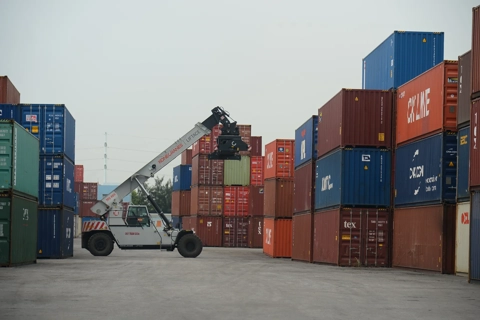
Cashew exports surged sharply by 35.3 percent in the first four months of this year, helping the country earn US$1.06 billion from the agricultural produce.
According to statistics from the General Department of Customs, 106,000 tons of cashews were exported in the period, rising 27.1 percent against the same period last year.
The shipments of the produce in April alone rose by 12.8 percent from the previous month to reach 32,100 tons, bringing in $310.1 million, up 8.4 percent month-on-month.
According to the Vietnam Cashew Association (VINACAS), since 2006, Vietnam has risen to become the largest cashew exporter in the world, making the cashew industry among the country’s key farming items with an export turnover of more than $1 billion since 2010.
The industry continued gaining impressive results last year, earning $3.62 billion from exports, the highest value recorded so far.
VINACAS has recently submitted to the Ministry of Agriculture and Rural Development (MARD) a development strategy until 2025, with a vision to 2030 to make the industry gain a sustained growth.
Under the strategy, the industry will restructure to increase its export turnover to $10.5 billion and the added value of the intensively processed cashew nut products and byproducts such as cashew nut shell liquid to $7 billion by 2030.
The planned area for cashew cultivation is expected to reach 380,000 hectares nationwide by 2025, generating a productivity of two tons of cashew nuts per hectare. Up to 2030, Vietnam will stabilize its cashew growing area at around 400,000 hectares, with an output of 2.2 tons of cashew nuts per hectare.
According to experts, competition in this industry is becoming ever more fierce, with the penetration risks posed by potential opponents, especially those from China, African countries (East Africa and West Africa), and other Southeast Asian nations (Thailand and Cambodia). The consumption demand is increasing with stricter requirements in terms of quality and food safety.
Meanwhile, the industry’s growth is not sustained. It is also being confronted with numerous difficulties, as the growth rate of farming production has yet to keep up with the growth rate of the processing industry. Last year, the output of raw cashews only met about 20 percent of the demand for export processing of businesses.
Since 2014, intensive farming techniques had increased productivity from less than one ton per hectare to 1.2 tons, but it fell again in 2016 and 2017 due to the impacts of drought, unseasonable rains and diseases. The country had 337,143ha under cashew at the end of last year.
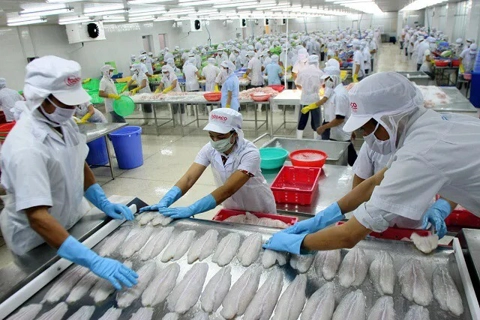
There are more than 465 cashew processors with a total capacity of over 1.4 million tons a year, but nearly 70 per cent are small in size.
Experts blamed this on the fact that too many enterprises are involved in exports. Many exporters do not even have processing facilities but buy nuts and export small volumes, creating unhealthy competition and affecting overall exports.
Thus, exports of highly processed cashew accounts for only 5 percent while semi-processed items account for the rest, they said.
The sector faces challenges like low productivity, diseases, unfavorable weather and lack of linkages between production, processing and consumption. Cashew productivity could increase by 30-40 percent if advanced cultivation techniques become widespread.
This is a key requirement to develop the industry though other solutions such as replacing old trees, linking stakeholders in the production chain and increasing the rate of highly processed items should be focused on to enable sustainable development, they said.
The shipments of the produce in April alone rose by 12.8 percent from the previous month to reach 32,100 tons, bringing in $310.1 million, up 8.4 percent month-on-month.

The cashew industry expects to increase its export turnover to $10.5 billion by 2030
|
The industry continued gaining impressive results last year, earning $3.62 billion from exports, the highest value recorded so far.
VINACAS has recently submitted to the Ministry of Agriculture and Rural Development (MARD) a development strategy until 2025, with a vision to 2030 to make the industry gain a sustained growth.
Under the strategy, the industry will restructure to increase its export turnover to $10.5 billion and the added value of the intensively processed cashew nut products and byproducts such as cashew nut shell liquid to $7 billion by 2030.
The planned area for cashew cultivation is expected to reach 380,000 hectares nationwide by 2025, generating a productivity of two tons of cashew nuts per hectare. Up to 2030, Vietnam will stabilize its cashew growing area at around 400,000 hectares, with an output of 2.2 tons of cashew nuts per hectare.
According to experts, competition in this industry is becoming ever more fierce, with the penetration risks posed by potential opponents, especially those from China, African countries (East Africa and West Africa), and other Southeast Asian nations (Thailand and Cambodia). The consumption demand is increasing with stricter requirements in terms of quality and food safety.
Meanwhile, the industry’s growth is not sustained. It is also being confronted with numerous difficulties, as the growth rate of farming production has yet to keep up with the growth rate of the processing industry. Last year, the output of raw cashews only met about 20 percent of the demand for export processing of businesses.
Since 2014, intensive farming techniques had increased productivity from less than one ton per hectare to 1.2 tons, but it fell again in 2016 and 2017 due to the impacts of drought, unseasonable rains and diseases. The country had 337,143ha under cashew at the end of last year.
There are more than 465 cashew processors with a total capacity of over 1.4 million tons a year, but nearly 70 per cent are small in size.
Experts blamed this on the fact that too many enterprises are involved in exports. Many exporters do not even have processing facilities but buy nuts and export small volumes, creating unhealthy competition and affecting overall exports.
Thus, exports of highly processed cashew accounts for only 5 percent while semi-processed items account for the rest, they said.
The sector faces challenges like low productivity, diseases, unfavorable weather and lack of linkages between production, processing and consumption. Cashew productivity could increase by 30-40 percent if advanced cultivation techniques become widespread.
This is a key requirement to develop the industry though other solutions such as replacing old trees, linking stakeholders in the production chain and increasing the rate of highly processed items should be focused on to enable sustainable development, they said.