Econ
Vietnam's richest man earns more in one day than the poorest in 10 years: Oxfam
Enterprises hold the largest potential in sharing prosperity in inclusive and responsible ways.
In Vietnam, the country's richest man earns more in a day than the poorest person earns in 10 years, stated a recent report by Oxfam.
According to the report, economic growth is a success story in South-East Asia. Gross domestic product in the Association of Southeast Asian Nations (ASEAN) region climbed from US$37.6 billion in 1970 to US$2.6 trillion in 2016. Over the last two decades, over 100 million people have joined the workforce across the region and millions of people have been lifted out of poverty. Investment is up, infrastructure has been built, trade is rising and regional prosperity has boomed.
Yet despite this economic success, huge challenges remain. Growing levels of inequality are particularly concerning.
In Vietnam, the country's richest man earns more in a day than the poorest person earns in 10 years. The four richest men in Indonesia have more wealth than the 100 million poorest combined.
Poverty wages and precarious work are endemic in the region. Minimum wages are often a fraction of the living wage needed for workers to realize their basic human rights, and even those standards are routinely flouted. The number of people severely food insecure in East and South-East Asia rose from 48 million people in 2015 to 71 million in 2016.
Growth and inequality are result of business and enterprises hold the largest potential in sharing prosperity in inclusive and responsible ways.
Lan Mercado, Oxfam's Regional Director for Asia, stressed it is enterprises' responsibility in respecting rights of employees and the community, for which wages should be sufficient for a decent life.
Above all, this is an opportunity for enterprises to make a difference by applying environmentally and people-friendly approaches, stated Mercado. The true reward would only be achieved by sharing benefits to the community, as well as integrating social and environmental aspects to the company's core businesses, she added.

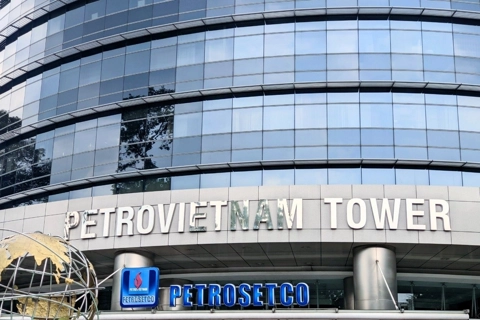
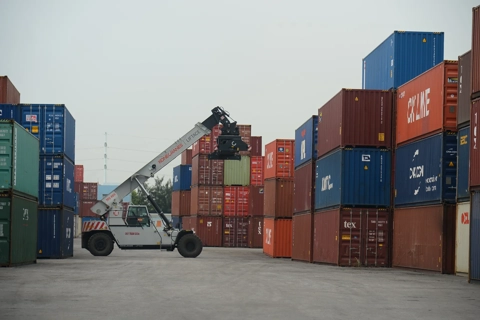
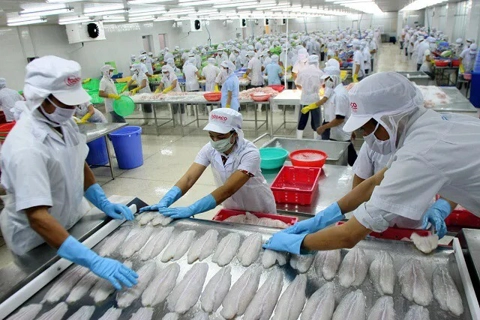
Illustrative photo.
|
Yet despite this economic success, huge challenges remain. Growing levels of inequality are particularly concerning.
In Vietnam, the country's richest man earns more in a day than the poorest person earns in 10 years. The four richest men in Indonesia have more wealth than the 100 million poorest combined.
Poverty wages and precarious work are endemic in the region. Minimum wages are often a fraction of the living wage needed for workers to realize their basic human rights, and even those standards are routinely flouted. The number of people severely food insecure in East and South-East Asia rose from 48 million people in 2015 to 71 million in 2016.
Growth and inequality are result of business and enterprises hold the largest potential in sharing prosperity in inclusive and responsible ways.
Lan Mercado, Oxfam's Regional Director for Asia, stressed it is enterprises' responsibility in respecting rights of employees and the community, for which wages should be sufficient for a decent life.
Above all, this is an opportunity for enterprises to make a difference by applying environmentally and people-friendly approaches, stated Mercado. The true reward would only be achieved by sharing benefits to the community, as well as integrating social and environmental aspects to the company's core businesses, she added.