No restrictions on foreigners buying real estate in Vietnam: Ministry of Construction
The soon-to-be amended Law on Housing is intended to encourage foreign investment and create favorable conditions for foreigners living in Vietnam.
The Ministry of Construction (MoC) has suggested that requiring foreigners to have Vietnamese citizenship to purchase and own real estate is unnecessary, as it discourages foreign investment.
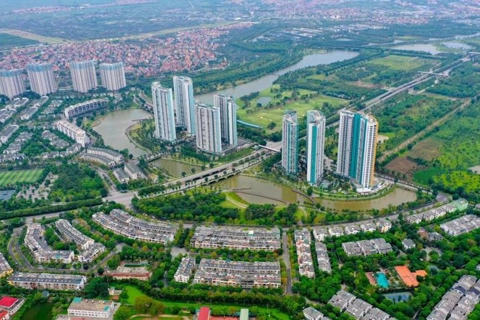
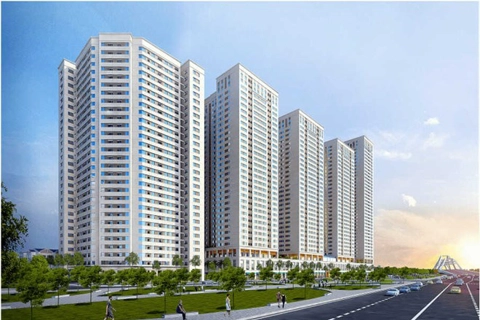
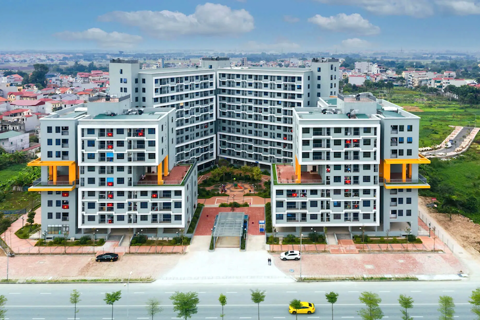
| A commercial housing project in Hanoi. Photo: The Hanoi Times |
The view was mentioned in the ministry's report to the National Assembly on the ongoing revision process of the amended Housing Law.
During previous discussion sessions, some National Assembly deputies were cautious about the prospects of foreigners owning property in Vietnam. It was suggested that foreigners should have both invested and Vietnamese citizenship to be eligible to own property.
The MoC emphasized that foreigners have been allowed to buy and own houses in Vietnam since 2008. The current draft of the amended Housing Law retains provisions from the 2014 Housing Law, which states that foreigners who buy and own houses must be allowed to enter Vietnam and abide by immigration laws and regulations on residence and entry.
One of the criteria for individuals to buy and own houses are to be part of a foreign-invested organization involved in housing construction in Vietnam. The MoC argues that enforcing the Vietnamese citizenship requirement for property purchase would limit potential buyers, while the policy aims to encourage foreign investment and create favorable conditions for foreigners living in Vietnam.
The current and revised draft laws contain provisions regarding the requirements for foreigners to purchase homes. For example, foreign nationals are restricted from purchasing homes in commercial housing projects in specified locations without endangering national security.
Foreign organizations and individuals are restricted from owning more than 30% of the apartments in a building or more than 250 individual houses in a project. In addition, foreigners are allowed to own houses for a maximum of 50 years.
The MoC emphasized that these regulations will not affect the implementation of policies on social housing, resettlement, and low-income housing in urban areas.
Therefore, the ministry proposes to maintain these regulations as stated in the draft law to continue attracting foreign investment during the current period.
The draft law also contains strict regulations, such as the one stipulating that foreign organizations' houses can only be used to house employees. The MoC clarified that this provision aims to ensure the availability of housing for foreign individuals and organizations investing in Vietnam while not affecting the domestic housing supply. It is also intended to prevent them from buying and selling houses for business purposes rather than residential purposes, which could affect the domestic housing market.
Since 2014, more than 3,500 foreign organizations and individuals have bought and owned homes in Vietnam, with prominent locations being Hanoi, Ho Chi Minh City, Bac Ninh, Binh Duong, and Ba Ria - Vung Tau.
Most foreign real estate buyers come from countries such as South Korea, China, Singapore, the US, Australia, Japan, and Malaysia.
Notably, apartments in commercial housing projects have been the main type of property purchased by foreigners in recent years. As a result, the MoC asserts that this has not affected the housing demand of residents.
The draft of the Housing Law (Amended) is scheduled to be further discussed in the ongoing 5th session of the National Assembly from June 19 to 24.