‘Workation’: The rise of a hybrid travel trend after the pandemic
According to the survey, 52% of Vietnamese travelers have already considered booking somewhere to stay in order to work from a different destination, while 57% would be willing to quarantine if they could work remotely.
A recently survey conducted by Booking.com showed that workcation looks set to form a key part of people future travels, at least for the next couple of years.
‘Workation’, as the word suggests, is ‘Work’ + ‘Vacation’ and involves working away from office, blending leisure with business. While not a completely new concept, it seems to garner the attention of travelers worldwide since the outbreak of Covid-19 last year that meant working from home was the new normal.
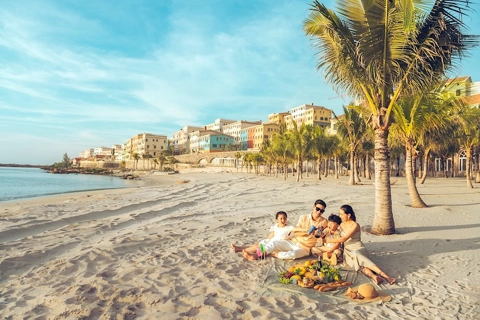
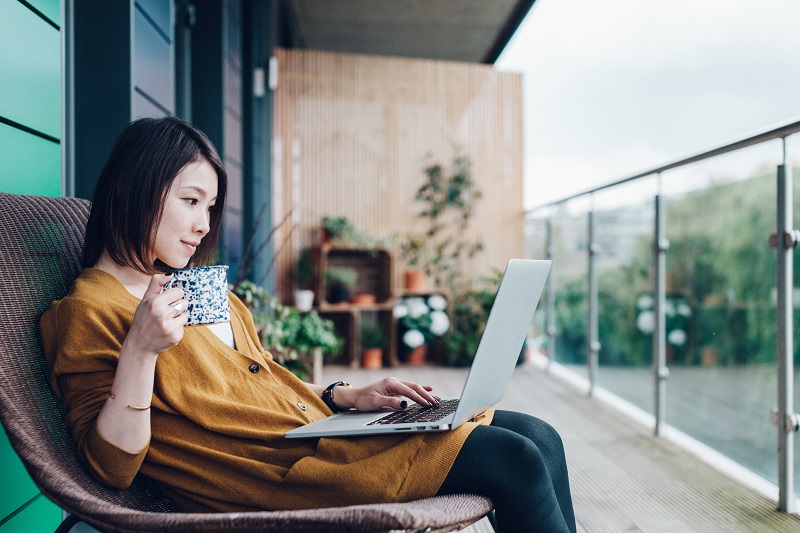
| Post Covid-19 pandemic: Remote working is becoming a likely long-term reality as health and safety is a top priority. Photo: Booking.com. |
According to the survey, 52% of Vietnamese travelers have already considered booking somewhere to stay in order to work from a different destination, while 57% would be willing to quarantine if they could work remotely.
“Remote working is becoming a likely long-term reality as health and safety is a top priority in the current environment,” Anthony Lu, Regional Director, Vietnam at Booking.com said.
He also predicts that instead of hotel, more work-friendly accommodation alternatives, like homes and apartments will be on high demand by for both business and leisure travelers who are looking to work remotely.
In addition, more and more travelers think that having relaxing while during a business trip is an essential, especially on the “new normal” of working after Covid-19 pandemic.
Accordingly, 58% of Vietnamese travelers on the survey said they would take the opportunity to extend any business trip so that they could schedule some leisure time. Many are also likely to add a week or two to their holiday in order to work remotely.
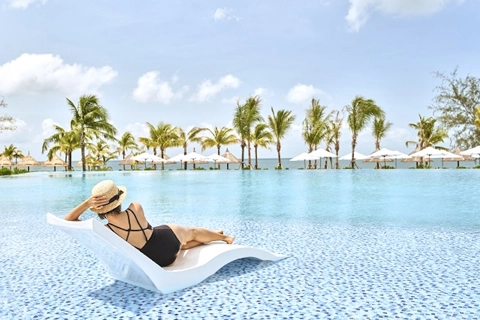
More comfortable workspaces with fewer interruptions give individuals more time to focus and be more productive in their work, while also travelling and unwinding to improve their wellbeing. Photo: Booking.com. |
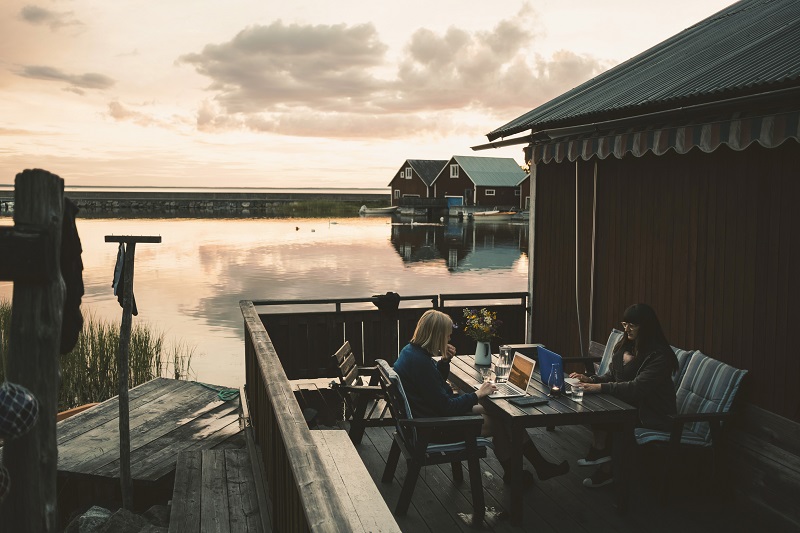
Although working from one’s own home has its perks in the coming time, people still want to book somewhere to stay for a welcome change of scenery.
Laptops become the newest travel necessity of 2021, with 61% agreeing that due to the increase in working from home and reliance on technology, business travel will be considered less essential than before. Instead, “workation” may become more prevalent and preferable.
These travelers are mostly looking for accommodation that has home office facilities, fast WiFi and most importantly, a spectacular view or cozy area to help make the workday fly by. Good health and safety precautions at each destination is again a top priority. It is tough to focus on work if our mind is caught up with safety or security concerns around the property.
“There is always a way to jazz up work and yet achieve your travel passion, now more than ever. Travelers could now set themselves free from the long-working time of nine hours for five consecutive days at the office because they can work from anywhere,” experts from Booking.com said.