Econ
After 20 years of earning money, what does Samsung return to Vietnam?
High profits, low taxes are what Samsung are going to be in Vietnam, but in the opposite direction, the Group`s contribution is not commensurate.
Samsung's profit and tax in Vietnam are two opposite extremes
|
Up to the present, production and sales of Samsung in Vietnam is done via 5 companies, including Samsung Electronics of Vietnam (SEV), Samsung Electronics of Vietnam in Thai Nguyen (SEVT), Samsung CE Complex (SEHC), Samsung Vina Electronics (SAVINA) and Samsung Display Vietnam (SDV). In particular, the two main companies SEV and SEVT bring leading sales for Samsung in Vietnamese market.
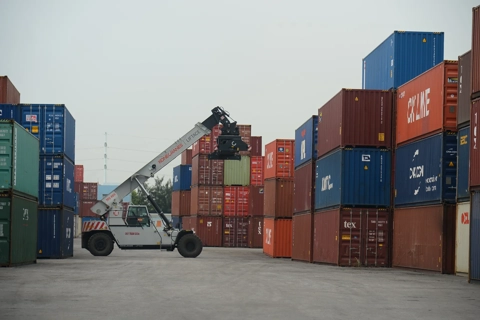
Vietnam is considered to have significant potential in logistics. According to Samsung SDS the rapid growth of its logistics market, at 15 to 20 percent per year, influenced its decision to establish the joint venture. Thanks to recent changes in the international trade environment relating to the TPP and the ASEAN Economic Community (AEC), global companies are or are at least considering relocating their manufacturing facilities to Vietnam, which has led to increasing FDI and trade volumes.
Samsung SDS plans to provide an integrated logistics service, including global and inland transportation, warehousing services, and customs brokerage, while utilising ALS’s customer network along with attracting potential customers by strengthening its external sales force through the partnership. The rapid growth of Vietnam’s export-oriented manufacturing sector has boosted demand for logistics services but the local logistics sector has largely failed to fully meet this demand. Many enterprises are therefore looking for opportunities to enter the sector.
According to the Vietnam Logistics Business Association, logistics costs in Vietnam represent 25 percent of annual GDP, significantly higher than in countries such as the US, China and Thailand. When the TPP officially comes into being, the tariffs on tens of thousands of goods will gradually come down to zero percent, boosting Vietnam’s imports and exports and requiring a logistics sector that can cope.
Sharing the same viewpoint, economic expert Pham Chi Lan affirmed that the order is “right and necessary” in the current context. She said that equitization and divestment orientations have been introduced years ago but the process is slow. Though the Government has almost reached the target of equitization, the State still holds big amount of capital at companies.
On the other hand, equitization and divestment have still been a close process in many cases with limited transparency, she added. It will be difficult for the Government to restructure the banking system and public investment if it failed to restructure State companies because State companies account for the largest share of non-performing loans and cross-ownership in banks, and many feature with low investment efficiency, she said.
Especially, in the context of Vietnam participating in many free trade agreements, if not careful, Vietnam will only benefit FDI enterprises, while the domestic enterprises are underprivileged, Ms. Lan warned.