Gov’t weighs pilot hiring of CEOs for state firms
By 2030, all state economic groups and corporations are expected to adopt principles in line with OECD standards, which are regarded as leading international benchmarks for corporate governance.
THE HANOI TIMES — Deputy Prime Minister Pham Thi Thanh Tra has called for studying a pilot mechanism to hire chief executive officers for state-owned enterprises instead of appointing officials solely under existing planning procedures.

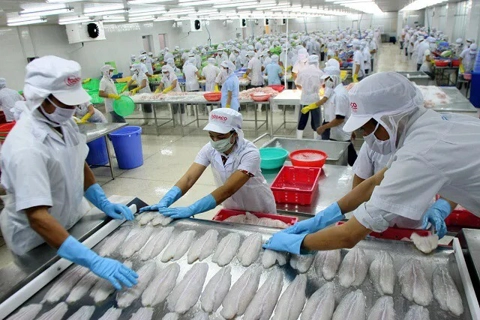
As of 2025, Vietnam had 671 state-owned enterprises, accounting for 0.23% of the total number of businesses nationwide, yet holding assets exceeding VND4,000 trillion (US$160 billion). File photo
The proposal was raised at a government meeting on February 25 on a draft decree governing managers and state capital representatives at enterprises.
According to Tra, the draft should include a separate provision on piloting the hiring of CEOs for state-owned enterprises.
“When applying a hiring mechanism, requirements on planning, seniority and length of service should not be imposed rigidly, as long as the selected candidate demonstrates management capacity and delivers concrete results,” she said.
Once authority is delegated, it must be substantive without multiple layers of approval that reduce corporate autonomy, she said.
On annual performance assessment, the deputy prime minister called for reforms that would allow enterprises to apply KPIs or other advanced evaluation methods instead of administrative grading mechanisms.
The draft decree should also introduce tighter power control mechanisms to ensure transparency and prevent conflicts of interest. “In cases where risks arise from objective causes, regulations must clearly protect those who act in good faith, creating confidence for innovation,” she noted.
As of 2025, Vietnam had 671 state-owned enterprises, accounting for 0.23% of the total number of businesses nationwide, yet holding assets exceeding VND4,000 trillion (US$160 billion).
They contributed 27.2% of total state budget revenue in 2024. Meanwhile, state-owned commercial banks reported total assets of VND9,360 trillion (US$374.4 billion), representing about 50% of the system’s total credit market share.
Tra reiterated that the core principle of the draft decree is to shift from administrative management to a development-oriented and modern governance approach.
By 2030, all state economic groups and corporations are expected to apply principles aligned with OECD standards, widely recognized as leading international benchmarks for corporate governance.
Decentralization and delegation must be strengthened alongside a clear delineation of appointment authority among the prime minister, state-owned representative agencies and enterprises to avoid overlap or gaps in responsibility. The deputy prime minister stressed two key positions, including chair of the members’ council and chief executive officer, which are decisive in shaping strategy and directing production and business operations.
In addition to clear decentralization mechanisms, the decree should specify circumstances deemed “necessary and urgent” for competent authorities to appoint, dismiss or remove executives and implement personnel procedures, ensuring flexibility in management and responsiveness to development needs at different stages.
The Ministry of Home Affairs has been tasked with finalizing the draft under an expedited procedure and submitting it to the government in March.