Bicycle-only lane: Forward-thinking but controversial for Hanoi
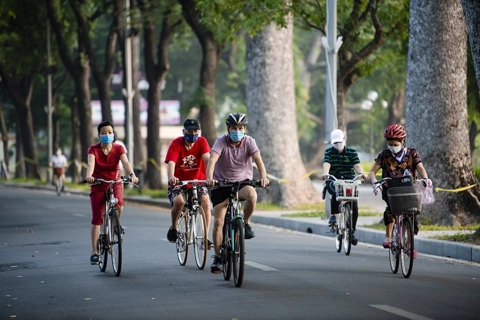
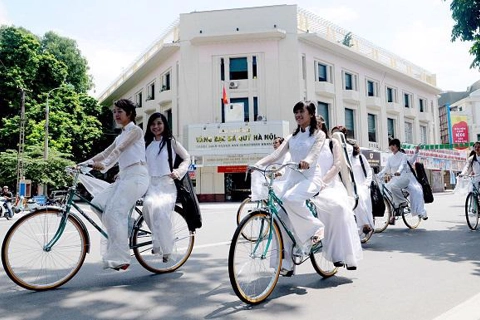
Hanoi is considering setting up private lanes for bicycle riders to develop a green transportation system.
A green transportation system made of electric and non-motorized vehicles, such as electric buses, electric motorbikes, and bicycles, will assist Hanoi in achieving sustainable growth. One of the solutions the city has recently thought of is to build private lanes for bicycle riders only. The idea seems progressive and controversial as people worry about the overload of the transportation system when bikers are allowed to ride on a separate lane. Transport experts and specialists have spoken to VTC News about the issue.
Nguyen Xuan Thuy, former Director of the Transport Publishing House
It could be a progressive move because using bicycles adds to the development of green transportation and sustainable urban area.
Green transportation includes vehicles that produce minimum CO2 and other emissions to the environment using electricity.
| Nguyen Xuan Thuy, former Director of the Transport Publishing House |

The bicycle needs little space to operate and is portable, so it will help reduce congestion, the number of fatal accidents, and environmental pollution, as well as improve people's health.
But the public is concerned that more bicycles will add more problems to the existing transportation system.
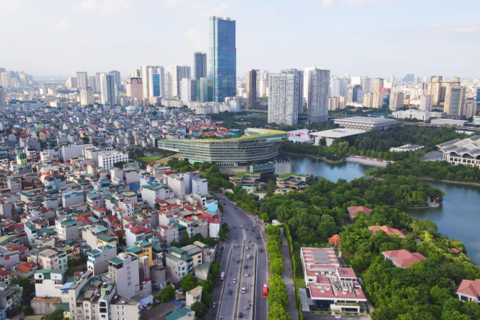
There are a few roads that have enough space for 4-5 lanes in Hanoi, thus, an increased number of motorized vehicles means more congestion. While infrastructures remain poorly developed, reserving a private lane for bicycle users is hard.
Some parking lots and stations are in poor conditions, while sidewalks and roads are overrun with open-air tea shops, stores, carts, parking lots, and construction sites, forcing cyclists to share the road with motorized vehicles.
The Hanoi authorities must take strong measures to claim back sidewalks, improve infrastructures and increase the land areas for transportation to build bicycle-only lanes.
The idea should be tested on a road that is 20-30 meters wide, enough for 4-5 lanes while studying the minimum number of bike riders on the road.
To encourage people to cycle, Hanoi authorities and enterprises should build bike-sharing facilities and connect them with other means of public transport like bus stations and urban railway stations to create a comprehensive public transport network.
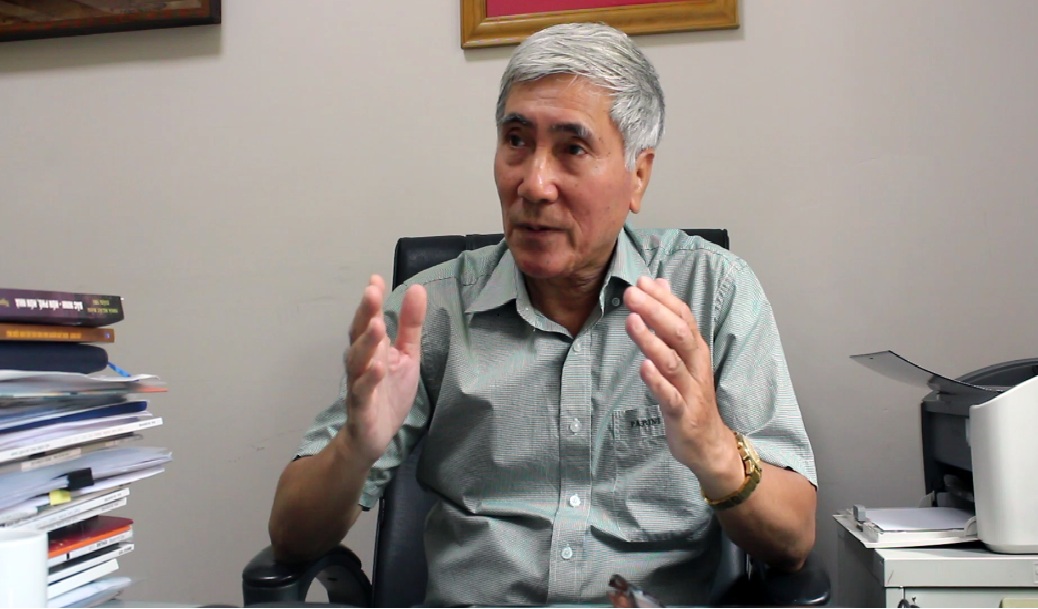
Pham Thanh Tung, Chief of Office of the Vietnam Architect Association
Bicycle-only lanes are popular in other countries where people prefer cycling to other forms of transport because it is clean and environmentally friendly. In Copenhagen (Denmark), 62% of the city's population rides bicycles on the streets.
| Pham Thanh Tung, Chief of Office of the Vietnam Architect Association |
In Copenhagen and other major cities such as Beijing (China), Amsterdam (the Netherlands), and Berlin (Germany), there are infrastructures for bicycles, therefore, local people prefer bikes to other means of private transportation.
As the authorities target the development of green transport and energy-saving city, bicycles could be a good option in addition to public transport such as buses and electric trains.
The city must improve the quality of management and ensure that the bike lane is closed to cars and motorcycles.
Poor awareness of the people is an issue that Hanoi has to deal with it. The city has reserved lanes for pedestrians and bike riders using barriers to prevent encroachment by motorized vehicles on Lang Road.
There have to be regulations and solutions to deal with violations. The city should empower its subordinate authorities to supervise, detect and handle the violations using technologies and surveillance cameras.
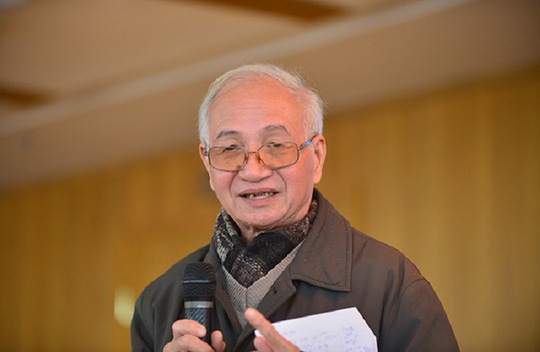
Dao Ngoc Nghiem, Vice Chairman of the Vietnam Urban Development and Planning Association
Developing a bicycle network will be difficult for Hanoi as the proportion of land used for transportation is comparatively low to the standard.
| Dao Ngoc Nghiem, Vice Chairman of the Vietnam Urban Development and Planning Association |
Land area used for transportation must account for 16-26% of the area used for urban development. For Hanoi, the rate should be 24%, but it has remained around 10% for years and shown little progress.
Meanwhile, the number of people riding bicycles to school and work is reportedly deficient compared to the total number of vehicles (including motorized vehicles). The total number of vehicles will keep increasing in the coming years.
The number of vehicles administrated by the city’s Police Department was 7.67 million as of May 2022, including more than one million automobiles, 6.4 million motorbikes, and more than 179,000 electric bikes and motorbikes.
As the number of motorbikes and automobiles keeps increasing and bicycle is not the primary transport, it may be frustrating for people if there are sudden lanes for bicycle riders only.
The city lacks good infrastructure that would allow people to bike and access the mass transit system.