Econ
Nearly 70% Vietnam's SMEs see revenue improvements in 2018
Vietnam`s overall prospect for small and medium enterprises (SMEs) appears positive as the government continues to overhaul the business regulatory system.
Vietnam's SMEs have an optimistic business outlook, with over 67% of survey respondents anticipating revenue growth and 34% projecting a double-digit expansion in revenue, according to a report by EY, United Overseas Bank (UOB) and Dun & Bradstreet (D&B).
This positive outlook is due to robust domestic demand and increased trade opportunities from the new bilateral FTA with the European Union. Such developments, alongside Vietnam's labor cost competitiveness and proximity to the Chinese production chains, make it a premier location for SMEs to set up manufacturing hubs, stated the report.
Additionally, the government's effort in overhauling the business regulatory system is considered an important factor. Initiatives such as simplifying business procedures, enhancing national competitiveness, improving transparency and trimming corporate taxes will create a more conducive environment that will help facilitate greater internationalization and trade growth for SMEs.
In ASEAN, SMEs are often the largest source of local employment across all economic sectors. In case of Vietnam, SMEs account for nearly 99% of all registered businesses and employ more than 70% of the workforce.
According to the report, SMEs in Vietnam are facing numerous challenges, including shortage of suitable challenges, business funding cost, and manpower cost, among others.
Talent scarcity is more prevalent in emerging nations where enrolment in tertiary education and vocational training remains relatively lower and employers must groom new hires to counter skills shortages. For instance, SMEs in Vietnam ranked this concern a 4.5 out of 5, much higher than the regional average of 3.5 out of 5.
In response to these challenges, SMEs are changing to be leaner, more effective organizations, gaining productivity improvements by harnessing digital technology or upskilling their workforce. Given productivity levels at some SMEs can be as low as 20% when compared with large corporations, narrowing this gap is critical to remain competitive.
Given the limited resources that most SMEs have, governments can support their automation efforts by partially subsidizing salaries or providing training to improve their digital readiness and capabilities.
Specifically, 58.6% of respondents are keen to invest in technologies instead of traditional investment options such as factory, machinery and equipment. Of which, 71.4% would target improvements in software and services, followed by ICT hardware and network with 63.9%.
Additionally, 86% of respondents consider technologies as key solution to manage cost efficiently, which was higher than to reduce overall cost (81%) or in search of other suppliers (78%).
With a globally competitive manufacturing sector integrated into regional supply chains, Vietnam is expected to be one of the top five emerging logistics markets in the medium term.
Other than agriculture which is vulnerable to climatic uncertainties, the near-term outlook for all other sectors is positive. Manufacturing production will be boosted by continued opening of new foreign invested factories. Construction will continue to benefit from high FDI disbursements to set up new factories, a strengthening housing sector and continued high transport and energy infrastructure investments.
Growth in services is projected to remain strong with tourist arrivals boosted by the new e-marketing campaign launched by the government, according to the report.

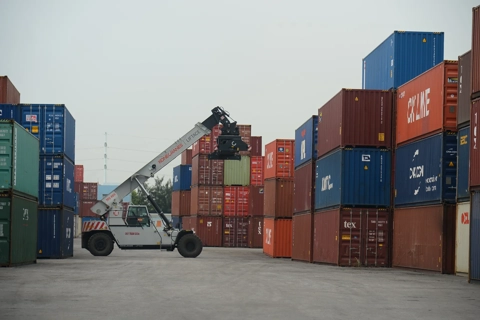
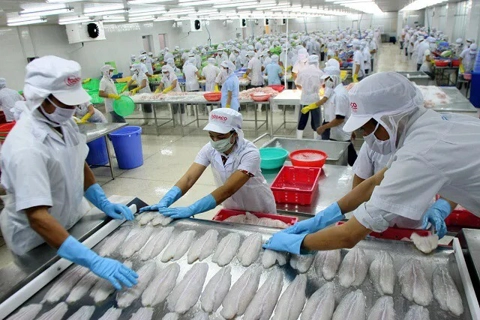
Illustrative photo.
|
Additionally, the government's effort in overhauling the business regulatory system is considered an important factor. Initiatives such as simplifying business procedures, enhancing national competitiveness, improving transparency and trimming corporate taxes will create a more conducive environment that will help facilitate greater internationalization and trade growth for SMEs.
In ASEAN, SMEs are often the largest source of local employment across all economic sectors. In case of Vietnam, SMEs account for nearly 99% of all registered businesses and employ more than 70% of the workforce.
According to the report, SMEs in Vietnam are facing numerous challenges, including shortage of suitable challenges, business funding cost, and manpower cost, among others.
Talent scarcity is more prevalent in emerging nations where enrolment in tertiary education and vocational training remains relatively lower and employers must groom new hires to counter skills shortages. For instance, SMEs in Vietnam ranked this concern a 4.5 out of 5, much higher than the regional average of 3.5 out of 5.
In response to these challenges, SMEs are changing to be leaner, more effective organizations, gaining productivity improvements by harnessing digital technology or upskilling their workforce. Given productivity levels at some SMEs can be as low as 20% when compared with large corporations, narrowing this gap is critical to remain competitive.

Assets SMEs are keen to invest in for 2018. Source: ASEAN SMEs report.
|
Specifically, 58.6% of respondents are keen to invest in technologies instead of traditional investment options such as factory, machinery and equipment. Of which, 71.4% would target improvements in software and services, followed by ICT hardware and network with 63.9%.
Additionally, 86% of respondents consider technologies as key solution to manage cost efficiently, which was higher than to reduce overall cost (81%) or in search of other suppliers (78%).
With a globally competitive manufacturing sector integrated into regional supply chains, Vietnam is expected to be one of the top five emerging logistics markets in the medium term.
Other than agriculture which is vulnerable to climatic uncertainties, the near-term outlook for all other sectors is positive. Manufacturing production will be boosted by continued opening of new foreign invested factories. Construction will continue to benefit from high FDI disbursements to set up new factories, a strengthening housing sector and continued high transport and energy infrastructure investments.
Growth in services is projected to remain strong with tourist arrivals boosted by the new e-marketing campaign launched by the government, according to the report.